Energy Policy

Energy policy sets the rules for how we produce, distribute, and use energy. It creates the framework that balances supply and demand, drives sustainability, and pushes innovation forward. Governments design energy policy to guide investments, protect the environment, and secure reliable access for households and industries. Clear policies shape the energy transition and influence everyday choices in markets and communities.

Energy deregulation: Breaking free

A waiter in a worn uniform presents a single-item menu labeled “Boredom Stew” to a well-dressed couple in a dull, outdated restaurant, symbolizing lack of choice before energy deregulation.

Energy deregulation blew the doors off the old monopoly model, turning a rigid system into a competitive arena where renewables, innovation, and consumer choice thrive. But with big gains come big controversies—and the debate is far from settled.
Energy regulation: The rules of power

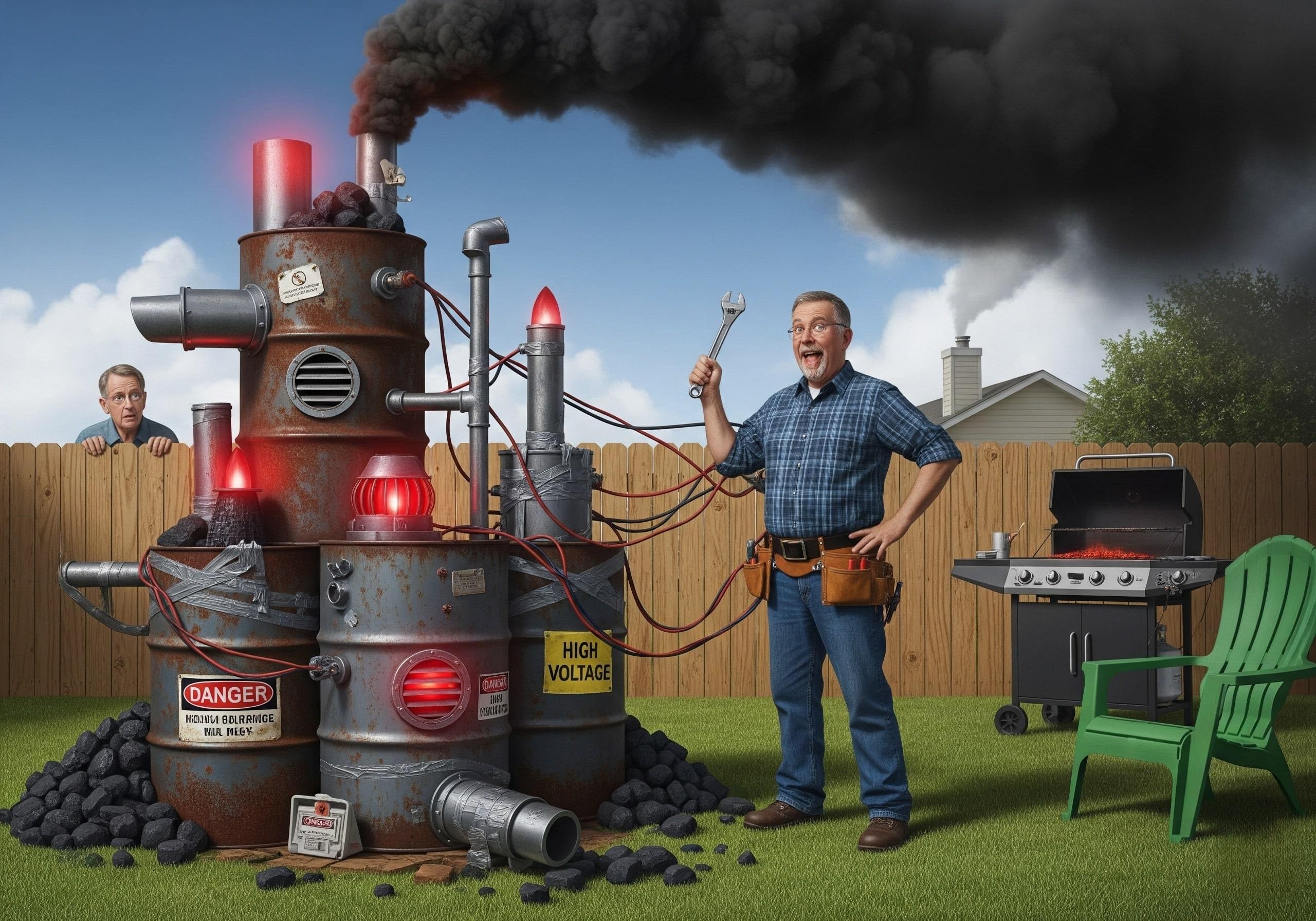
Man proudly holding a wrench next to a dangerous homemade coal-powered machine in his backyard, with smoke billowing and a neighbor peeking nervously over the fence—humorous illustration of life without energy regulation.

Energy regulation is the hidden system that keeps modern life running. It decides how much you pay for power, how safe plants are, and how much renewable energy reaches the grid. Without it? Chaos. With it? Stability—from your monthly bill to the backbone of entire economies.