Electricity Markets

Articles explaining how electricity is traded, priced, balanced, and valued across wholesale power markets.

What is energy arbitrage? Buying electricity when nobody wants it

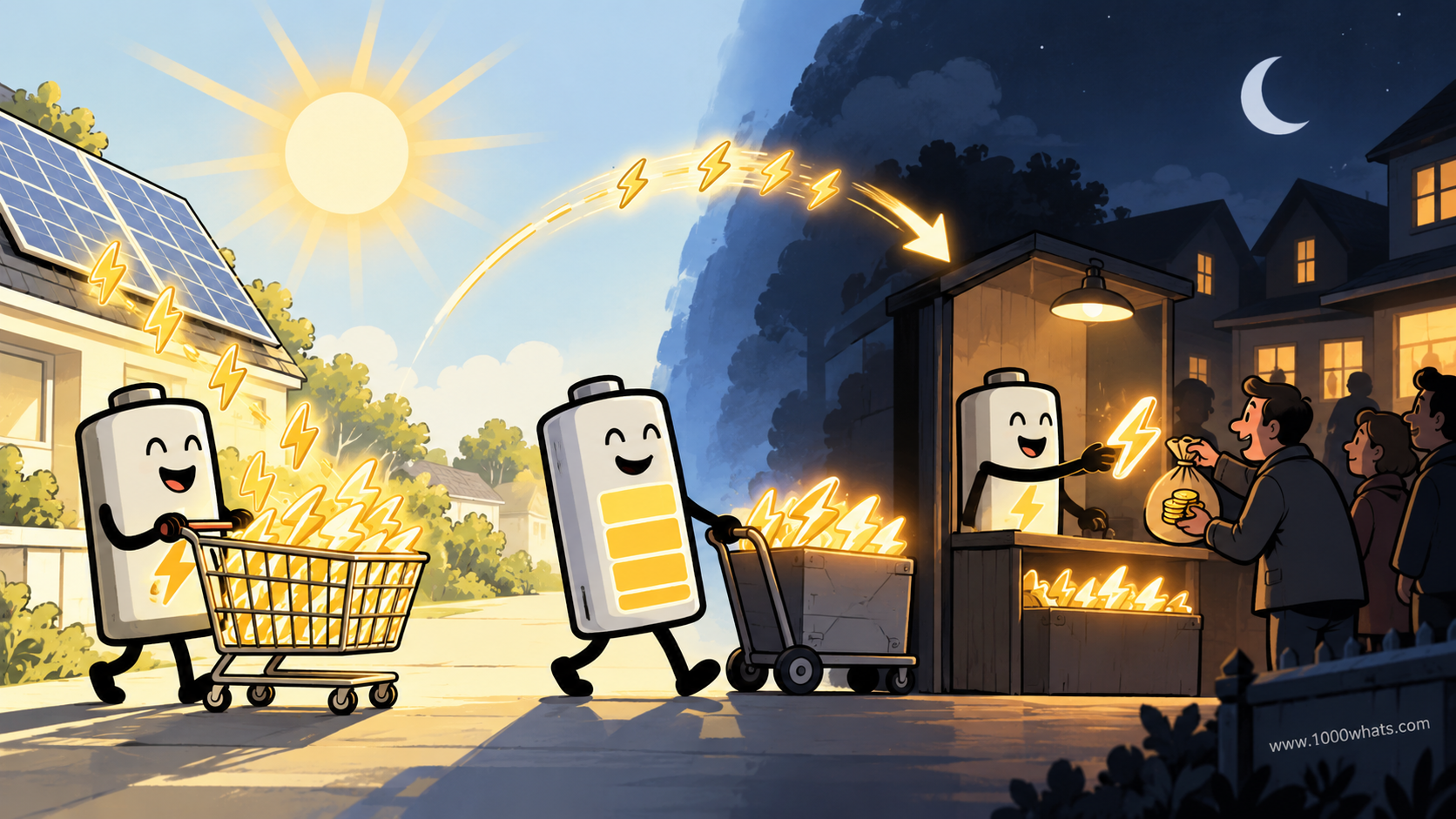
Energy arbitrage featured image showing batteries moving cheap daytime electricity toward a higher-value nighttime market.

Electricity can be worth €20/MWh at noon and €150/MWh a few hours later. Energy arbitrage turns that difference into a business model: buy or store electricity when it is cheap, then sell it when it becomes valuable. The idea sounds suspiciously like “buy low, sell high.” It is. The interesting part is what batteries, efficiency losses, degradation, forecasts, negative prices, and thousands of competing batteries do to that beautifully simple plan.

What is a spark spread? The number that decides whether a gas plant wants to run

Gas-fired power plant beside a balance scale comparing electricity revenue with gas costs to illustrate spark spread economics.

A gas-fired power plant can be technically available, connected to the grid, fully fueled—and still have no economic reason to generate electricity. The spark spread explains why. It compares the value of the electricity a gas plant can sell with the cost of the gas it must burn to produce it. Add carbon costs and you get the clean spark spread: one deceptively simple number connecting electricity, gas, plant efficiency, carbon markets, dispatch, and power prices.