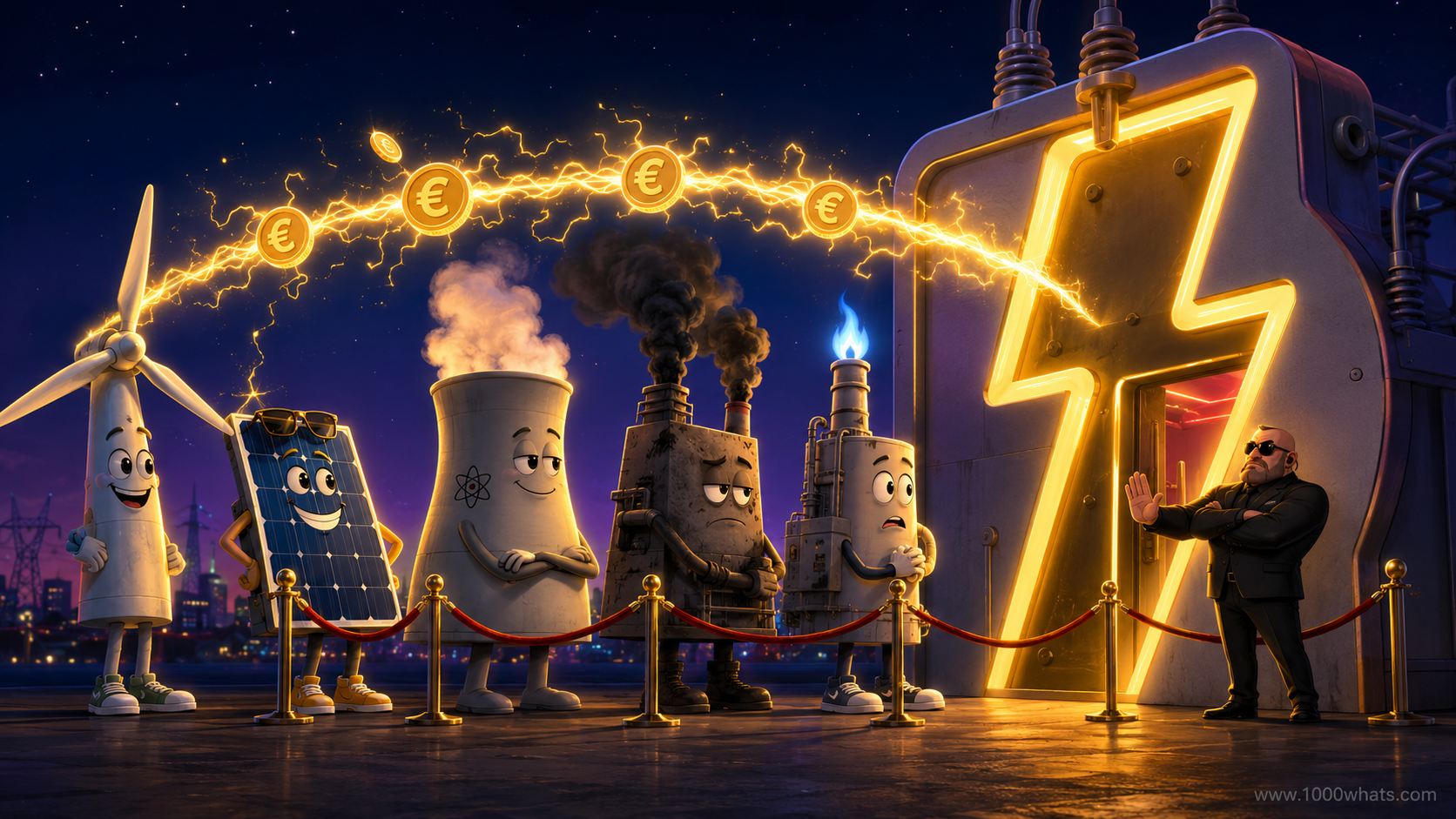
Energy Markets

Energy markets regulate the buying, selling, and pricing of electricity and fuel, balancing supply, demand, and competition among providers.

What is energy arbitrage? Buying electricity when nobody wants it
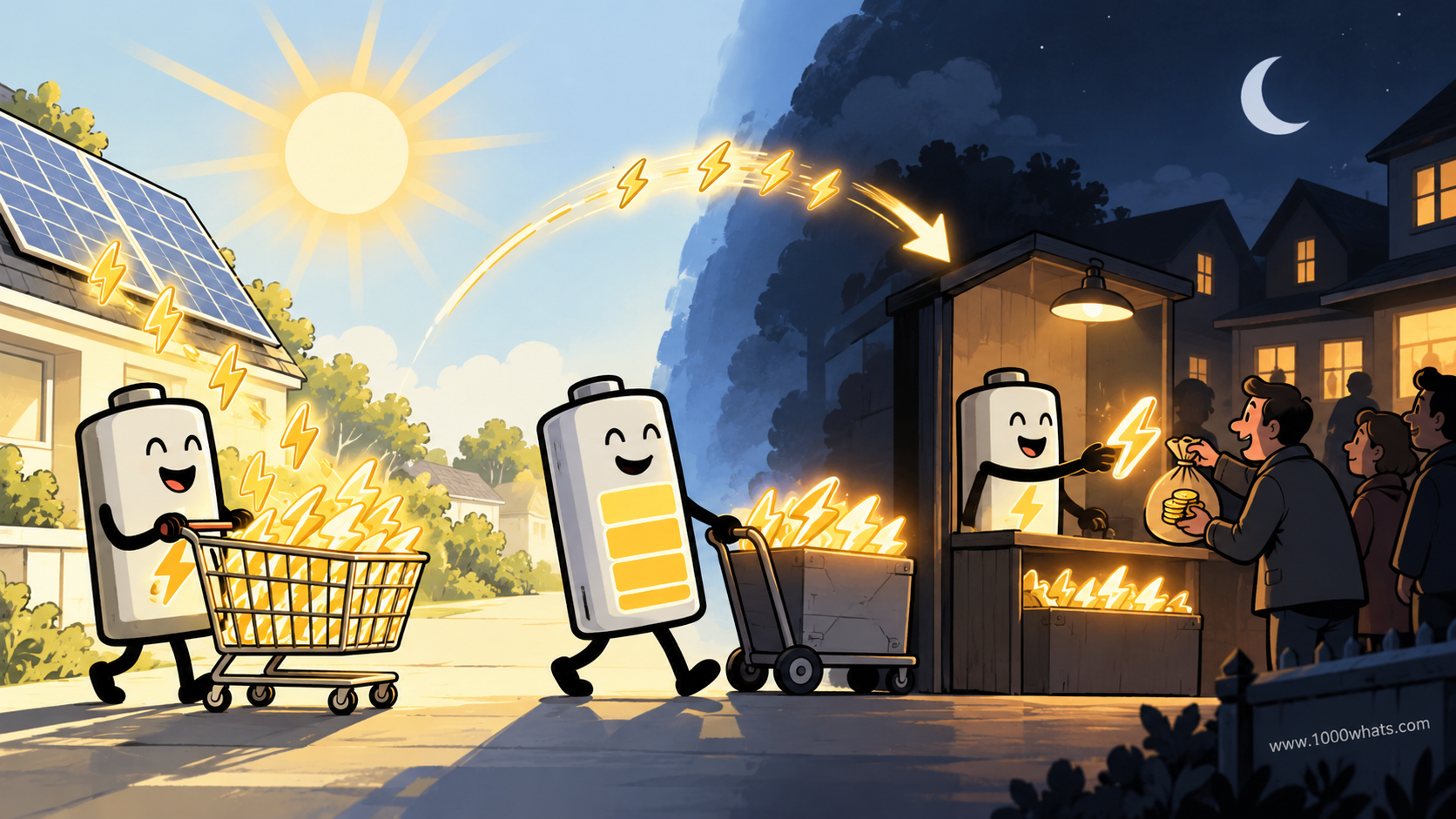
Energy arbitrage featured image showing batteries moving cheap daytime electricity toward a higher-value nighttime market.

Electricity can be worth €20/MWh at noon and €150/MWh a few hours later. Energy arbitrage turns that difference into a business model: buy or store electricity when it is cheap, then sell it when it becomes valuable. The idea sounds suspiciously like “buy low, sell high.” It is. The interesting part is what batteries, efficiency losses, degradation, forecasts, negative prices, and thousands of competing batteries do to that beautifully simple plan.

What is a spark spread? The number that decides whether a gas plant wants to run

Gas-fired power plant beside a balance scale comparing electricity revenue with gas costs to illustrate spark spread economics.

A gas-fired power plant can be technically available, connected to the grid, fully fueled—and still have no economic reason to generate electricity. The spark spread explains why. It compares the value of the electricity a gas plant can sell with the cost of the gas it must burn to produce it. Add carbon costs and you get the clean spark spread: one deceptively simple number connecting electricity, gas, plant efficiency, carbon markets, dispatch, and power prices.

What is price risk: The invisible force that can turn a great energy deal into a disaster

Witty price risk featured image showing people riding a roller coaster shaped like rising and falling electricity price charts under stormy skies.

Price risk is the possibility that changing market prices will hurt your revenue, costs, or profitability. In energy markets, where electricity, gas, oil, and carbon prices can move brutally fast, understanding price risk can mean the difference between a healthy margin and a financial headache. Here’s how it works, where it comes from, and how energy companies manage it.

What is Commercial Operation Date (COD): The one date that can make—or break—an energy project

Witty Commercial Operation Date (COD) featured image showing a smiling calendar at a renewable energy project site with construction, solar panels, wind turbines, and financial growth.

Commercial Operation Date (COD) is the moment an energy project stops being a construction story and starts becoming a business. But behind that innocent-looking date sit performance tests, grid approvals, PPAs, lenders, penalties, warranties, and millions of dollars. Here’s what COD really means—and why the entire project team obsesses over it.

What is capacity market? Why power plants get paid even when they’re not generating

Witty capacity market featured image showing a standby generator dressed like a guard outside a lively building, symbolizing payment for being available when the power system needs backup.

Imagine running a power system like hosting the world’s most unpredictable party. Guests arrive early, late, hungry, overheated, and sometimes all at once. That is basically how electricity demand behaves. A capacity market exists to make sure enough power is available when the grid gets stressed. Here’s how it works, why it exists, and why it remains one of the most controversial tools in modern electricity markets.

What is a Power Purchase Agreement (PPA)? The strange little contract behind big energy projects

Illustration of a Power Purchase Agreement (PPA) connecting solar and wind energy projects with an electricity buyer through a glowing contract bridge.

A power purchase agreement, or PPA, is one of the most important contracts in modern energy — and one of the least understood. It is how solar farms get financed, how companies lock in electricity prices, and how power gets sold before it is even generated. Here is what a PPA is, how it works, and why it matters more than most people realize.