Energy explained simply

Energy is messy. These explainers make it a little less ridiculous — for readers, professionals, and companies alike.

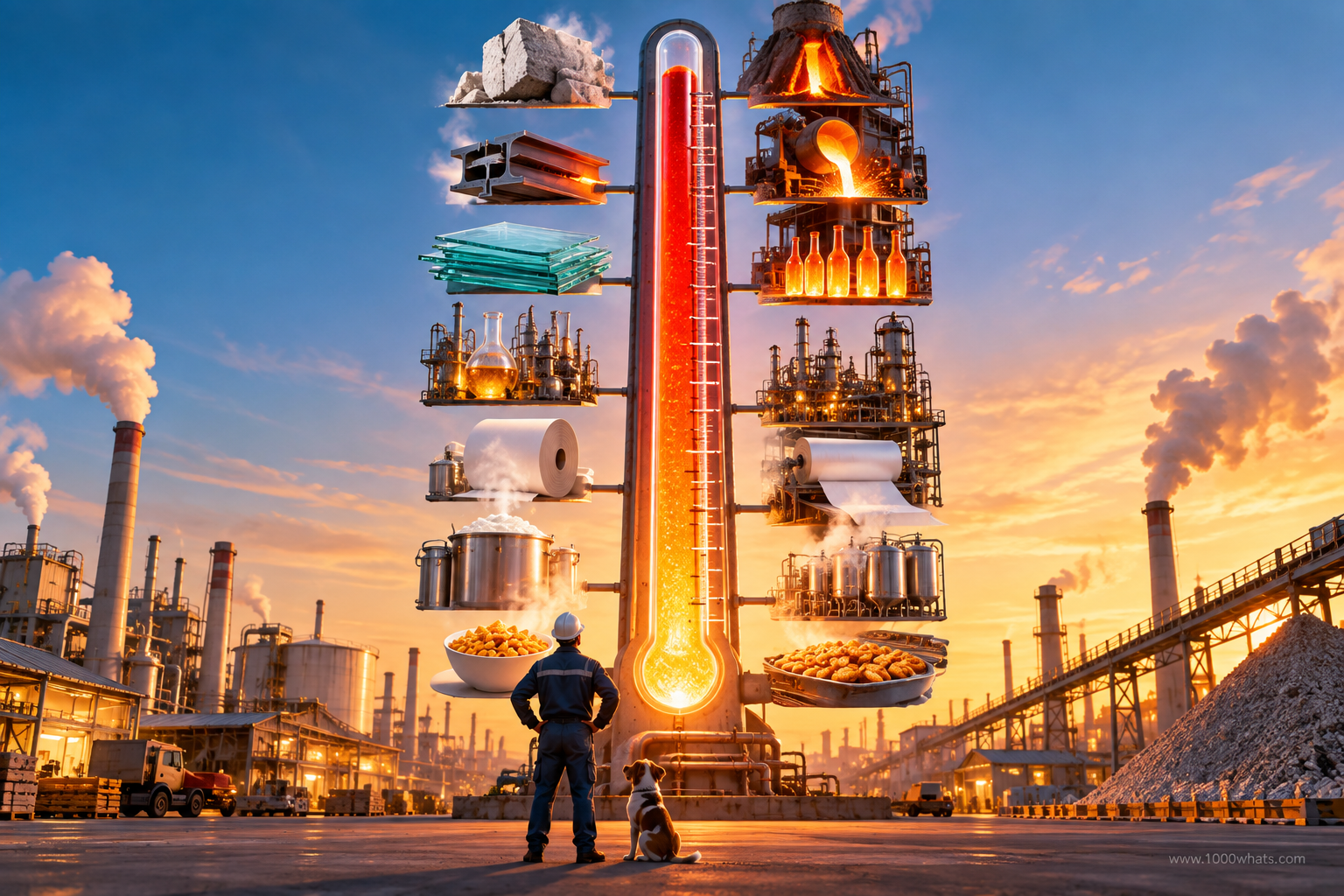
Exergy featured image showing low-temperature heat, high-temperature heat and electricity as travelers with different access to useful work.

What is exergy? Why some joules travel first class

One kilowatt-hour of electricity can run a motor. One kilowatt-hour of lukewarm heat might struggle to run a convincing argument. Both contain the same energy, but not the same ability to do useful work. Meet exergy, thermodynamics' brutally honest exchange rate, and discover why heat pumps, power plants, and factories should stop treating every joule like a first-class passenger.

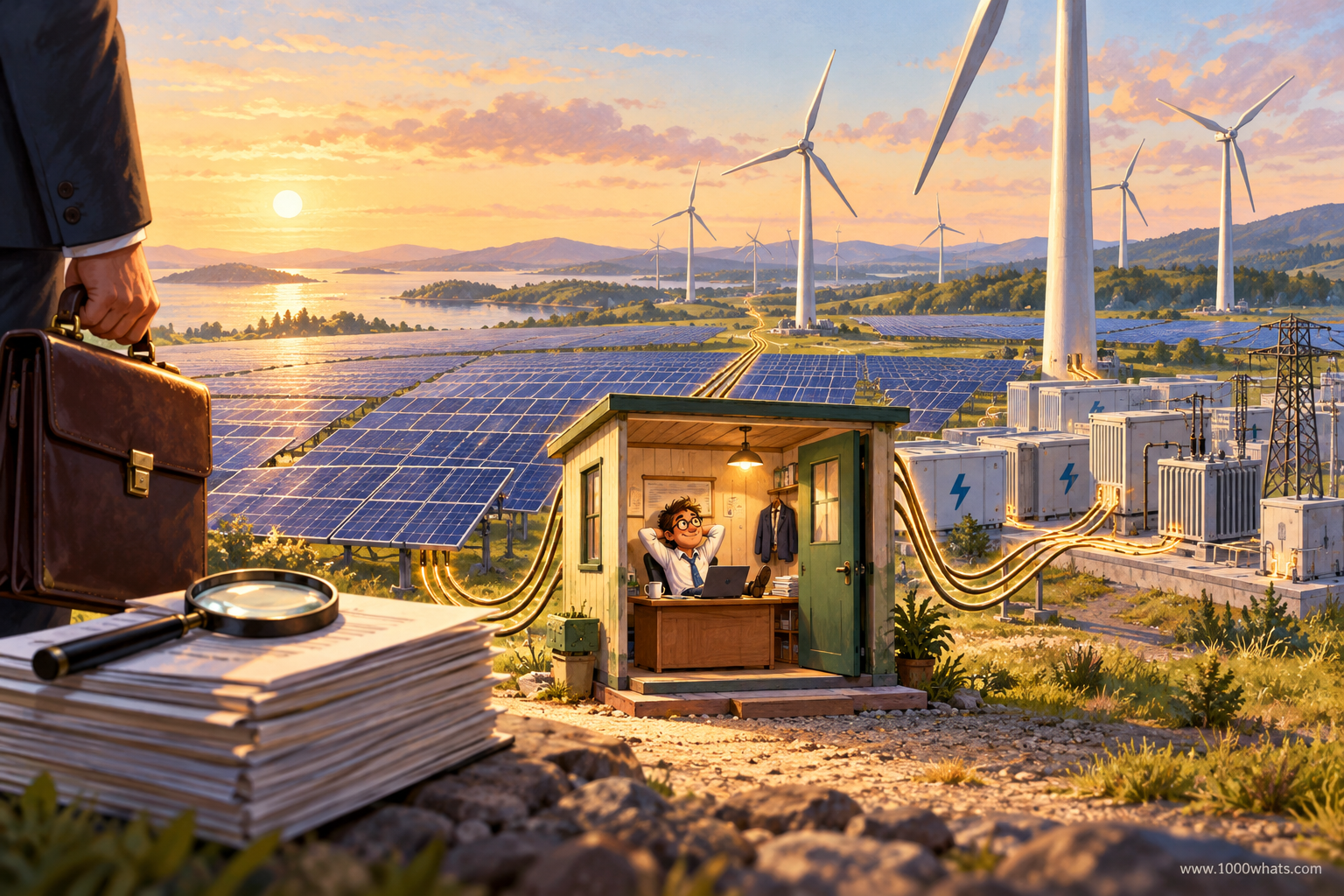
Rebound effect featured image showing an efficient pizza delivery van leading to more deliveries and a larger fleet, reducing the expected energy savings.

What is the rebound effect? When energy efficiency gets a raise and goes shopping

A delivery company doubles its fuel efficiency, celebrates the savings, and then starts driving so much that the fuel bill refuses to shrink. Welcome to the rebound effect, where cheaper energy services can tempt us to use more of them. From Jevons and steam engines to LEDs, heating, and AI, here's why efficiency works, why savings sometimes wander off, and how to bring them home.

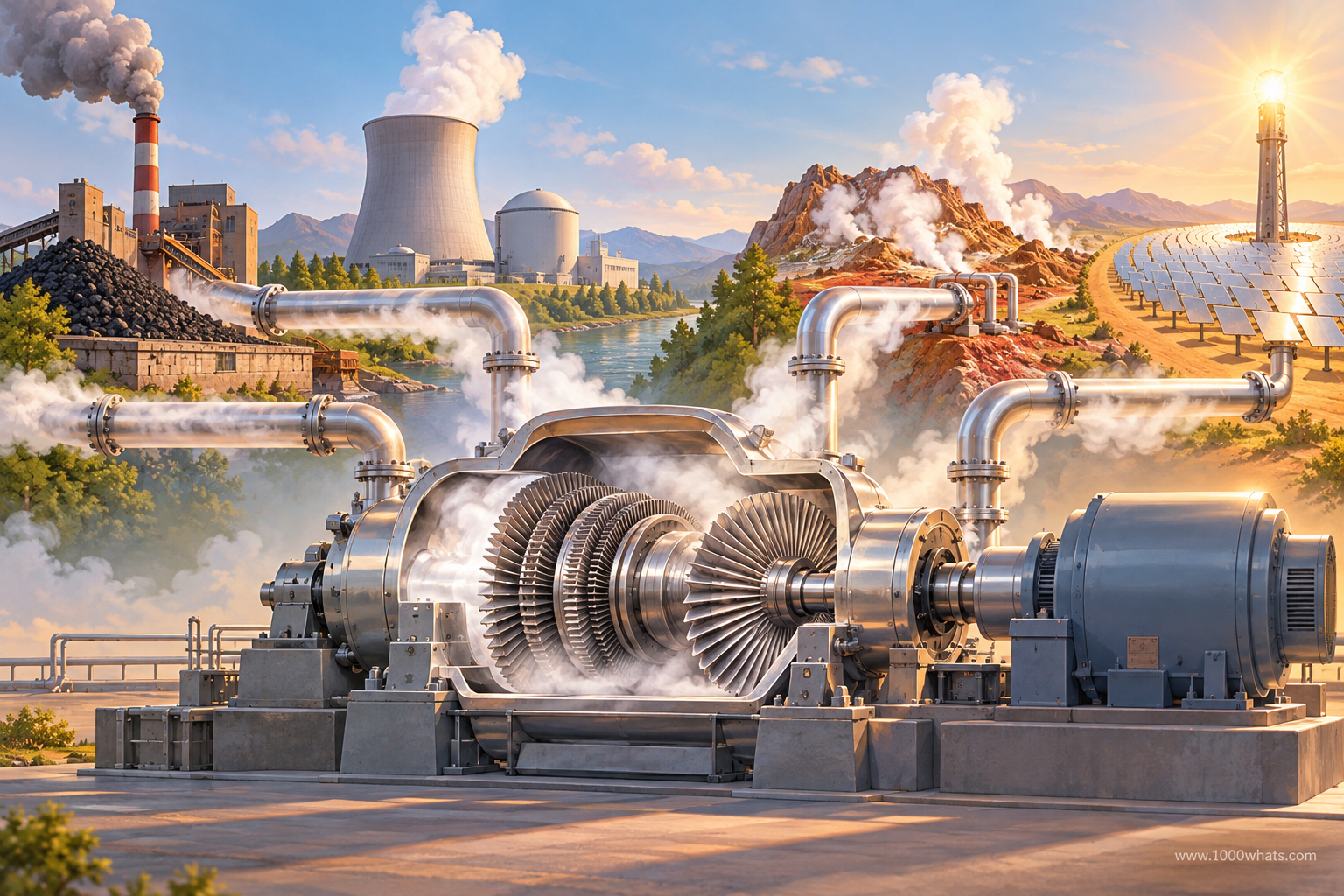
Steam turbine featured image showing a large turbine-generator with coal, nuclear, geothermal and solar thermal energy sources in the background.

What is a steam turbine? The machine that doesn’t care where the heat came from

Coal plants burn fuel. Nuclear reactors split atoms. Geothermal plants extract heat from underground. Yet many of them rely on the same machine to produce electricity: a steam turbine. Discover how expanding steam turns heat into mechanical power, why condensers matter almost as much as turbines, and how one remarkably adaptable technology became central to modern electricity generation.

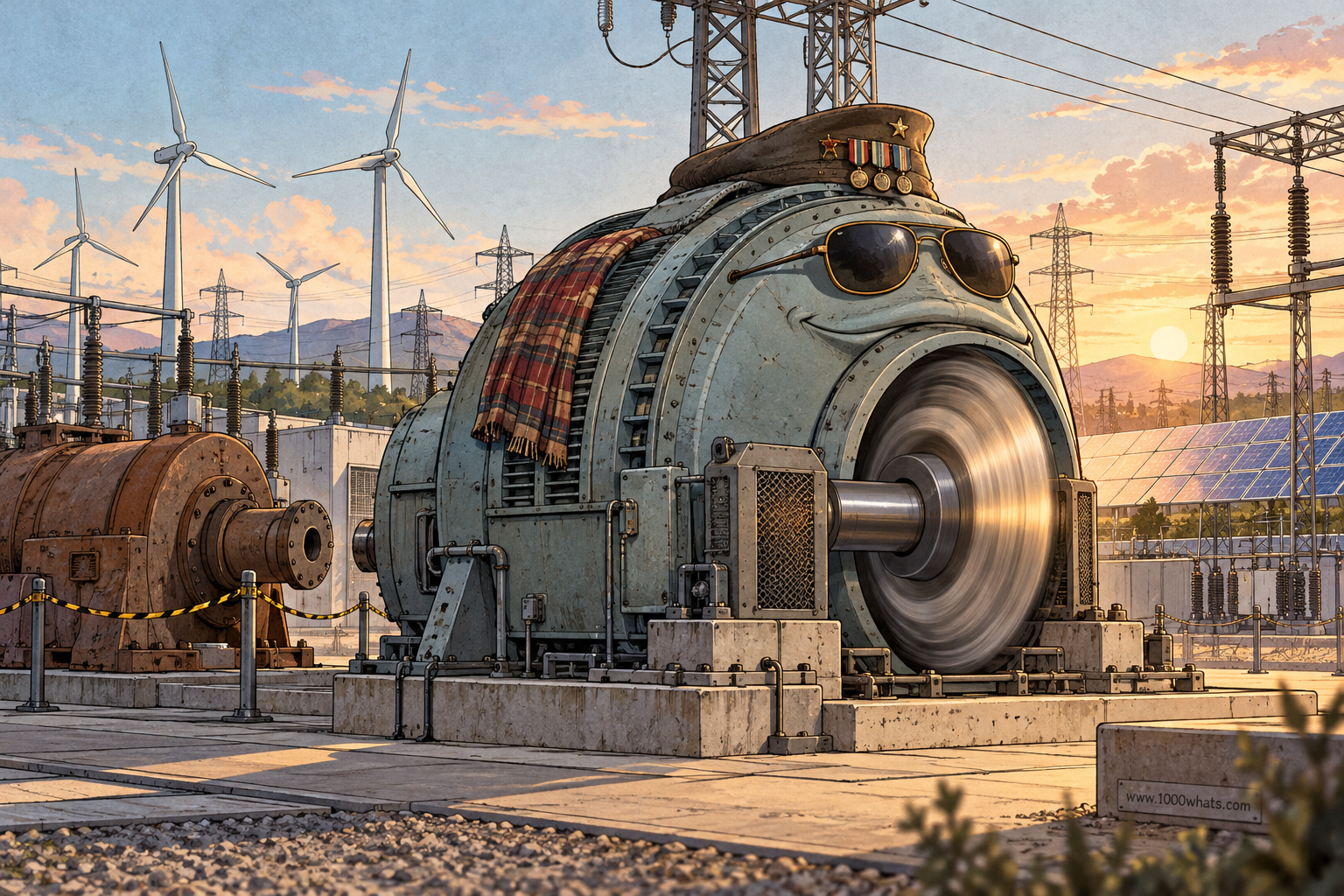
Synchronous condenser featured image showing a large rotating machine in a substation with wind turbines and solar panels in the background.

What is a synchronous condenser? The generator that stopped generating

Imagine installing an enormous rotating electrical machine, connecting it to the power grid, and deliberately producing almost no electricity. That is a synchronous condenser. It provides inertia, voltage support and short-circuit strength without burning fuel to generate power. As traditional power stations retire, this old technology is finding a surprisingly important new job.

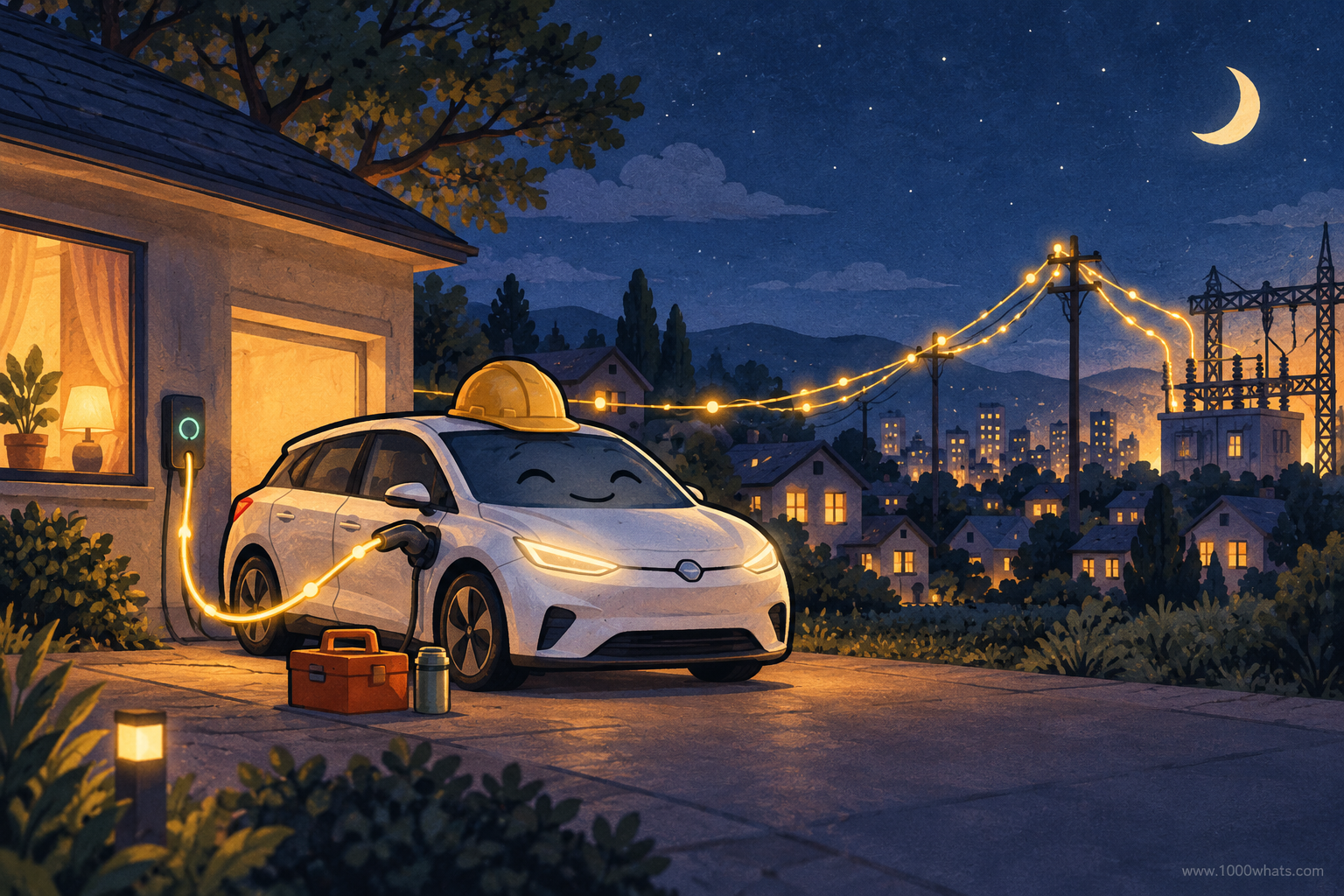
Vehicle to grid featured image showing an electric car plugged in at night and connected to the local electricity network.

What is vehicle-to-grid? When your electric car becomes part of the power system

Most electric cars spend most of their lives parked with a large battery doing absolutely nothing. Vehicle-to-grid technology asks a slightly provocative question: if that battery can charge from the grid, why can't it occasionally send electricity back? V2G turns parked EVs from passive loads into flexible energy resources that can charge when electricity is abundant and discharge when the power system needs help.