Energy Technology

How energy technologies work — from heat pumps and batteries to turbines, electrolysers, grids, and the machines that turn physical principles into useful energy.

What is an electrolyzer? The machine that turns electricity into hydrogen
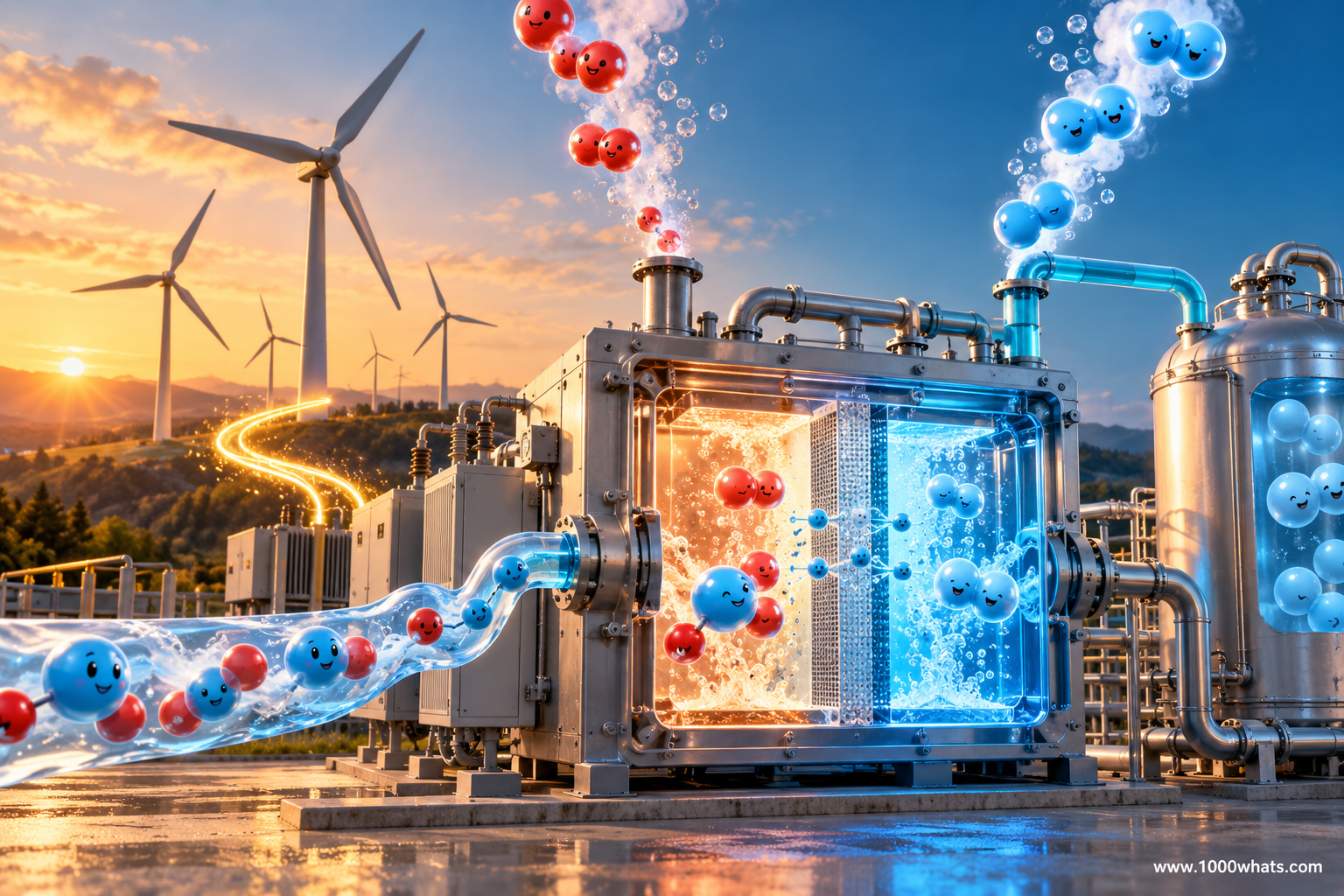
Electrolyzer featured image showing renewable electricity splitting water into hydrogen and oxygen inside an industrial electrolysis unit.

An electrolyzer takes electricity, water, and some very deliberate electrochemistry and produces hydrogen and oxygen. That sounds simple enough. The interesting part begins when the machine becomes hundreds of megawatts large, starts following wind and solar production, competes for cheap electricity, needs purified water and compression, and discovers that making hydrogen cheaply is mostly an electricity problem wearing a chemistry badge.
What is thermal energy storage? The battery that stores heat instead of electricity

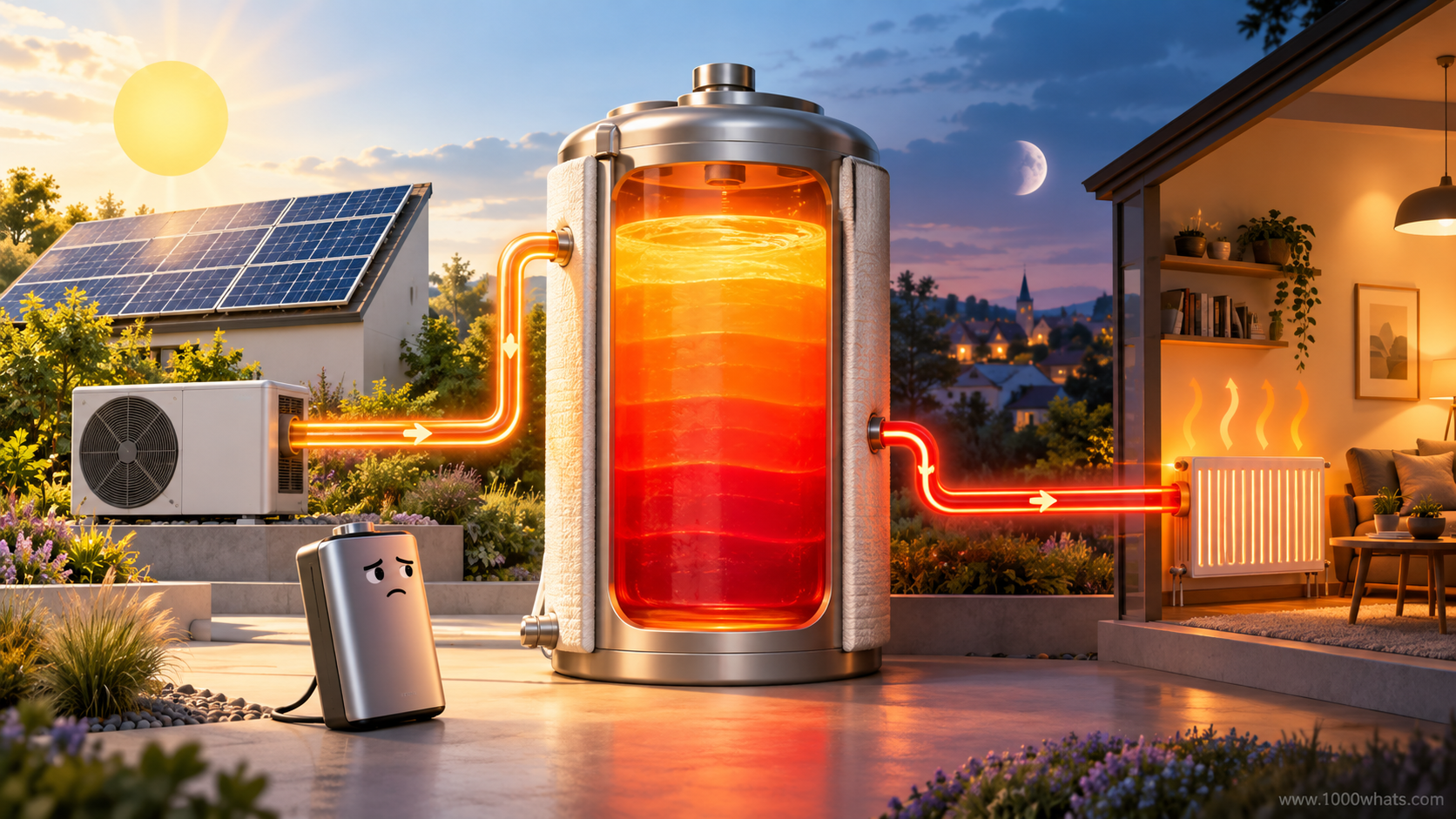
Thermal energy storage tank charged by solar-powered heat pump during the day and supplying home heating after sunset.

Battery storage gets most of the attention, but many energy problems do not actually require electricity to be stored as electricity. If the final job is heating a building, cooling a supermarket, supplying industrial heat, or keeping a district-heating network warm, it may be simpler to store the thermal energy itself. Thermal energy storage can be as basic as a tank of hot water—or as exotic as molten salt, underground reservoirs, ice, phase-change materials, and reversible chemical reactions.

What is district heating? One heating system for an entire city

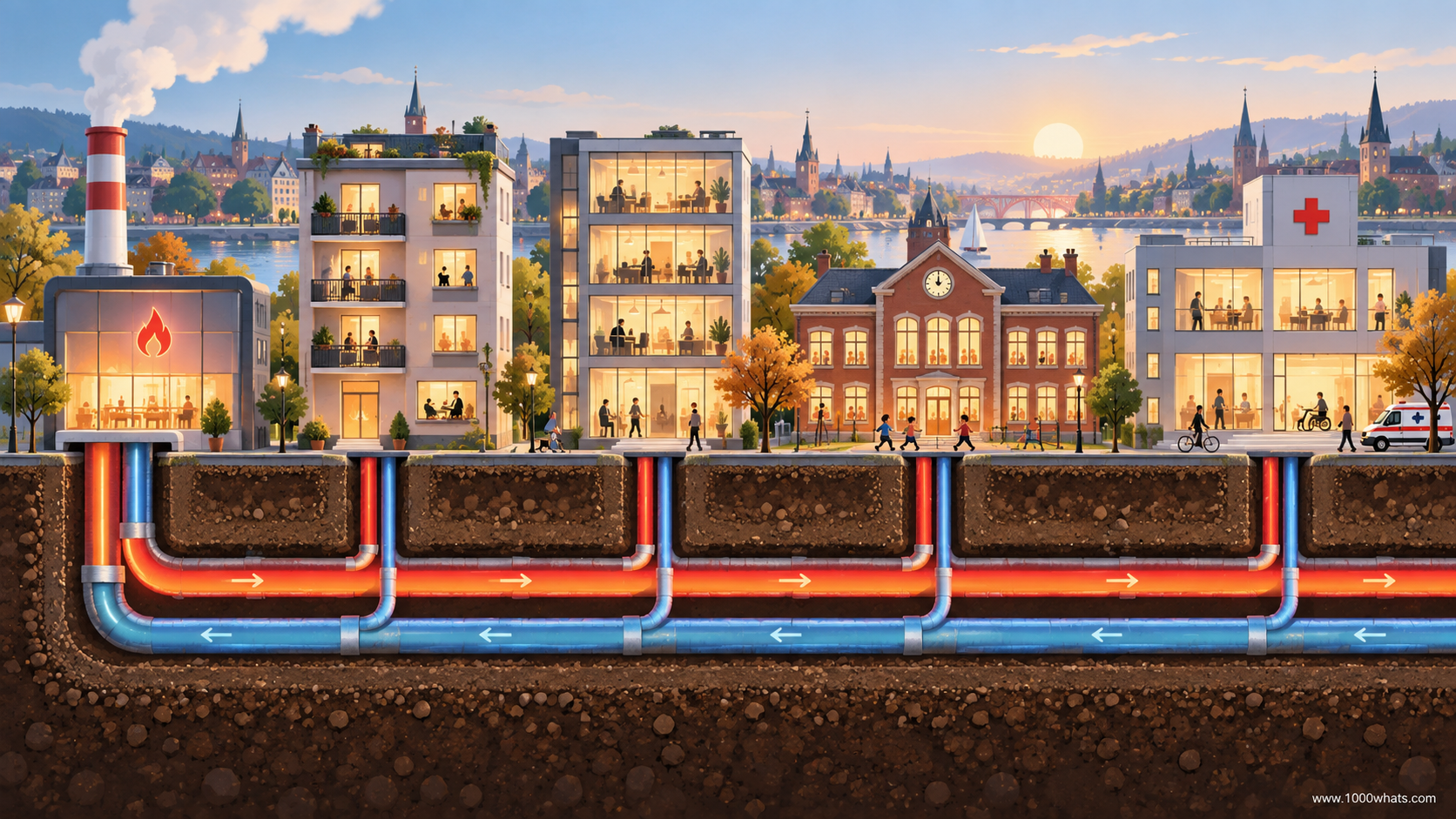
Cross-section illustration of a district heating network with red and blue underground pipes supplying heat to city buildings.

Most buildings have their own boiler, furnace, or heat pump. District heating asks a very different question: why should every building make heat separately? Produce heat centrally, recover it from places already throwing it away, move it through insulated pipes, and an entire neighborhood—or city—can share one thermal system. The idea is old. What we can feed into those pipes is becoming much more interesting.

What is a heat pump? The heater that refuses to make heat

Illustrated winter scene showing a heat pump outside in the snow sending warm glowing heat into a cozy home where a family sits indoors.

A heat pump can deliver three or four units of heat while using roughly one unit of electricity. No, it is not breaking physics. The trick is that it does not create most of the heat—it moves heat that was already there. Here is why your refrigerator, air conditioner, and one of the biggest technologies in building decarbonization are basically members of the same family.