Sustainability

It’s pretty simple. We need energy to live, but we also need the planet to stick around for a while. So, how do we keep the lights on without causing any long-term damage? That’s what this is all about—finding ways to power the world while keeping it clean and balanced for the future.

What is the formula for a carbon footprint? How to actually calculate it without melting your brain

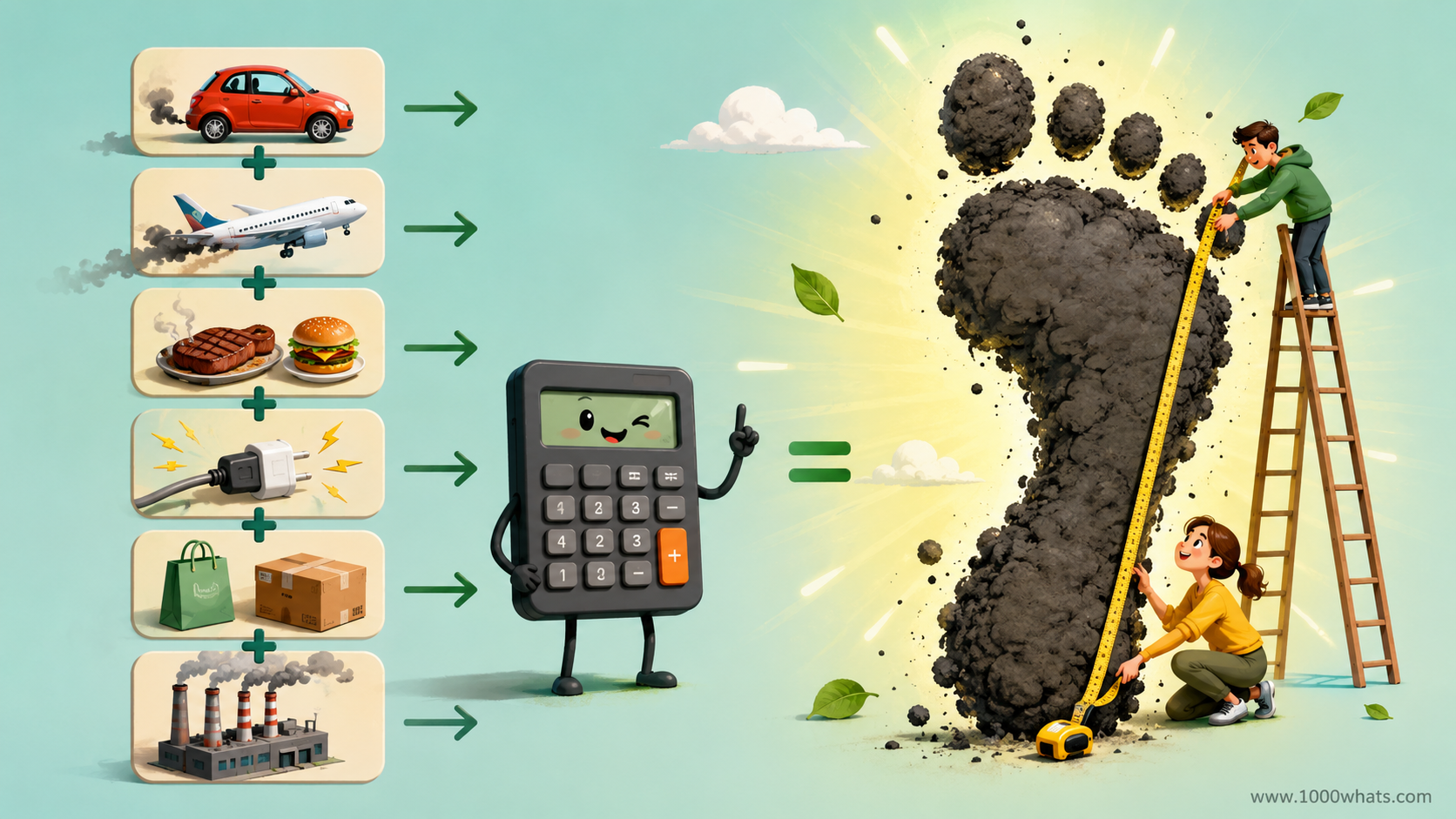
Witty carbon footprint calculation illustration showing emission sources feeding into a cartoon calculator and resulting in a large smoky footprint being measured.

A carbon footprint is usually calculated with one deceptively simple idea: activity data × emission factor. In plain English, that means you measure what you did—like using electricity, driving miles, or burning fuel—and multiply it by the amount of greenhouse gas linked to each unit of that activity. Add everything together, convert it into CO₂e, and you’ve got your footprint.

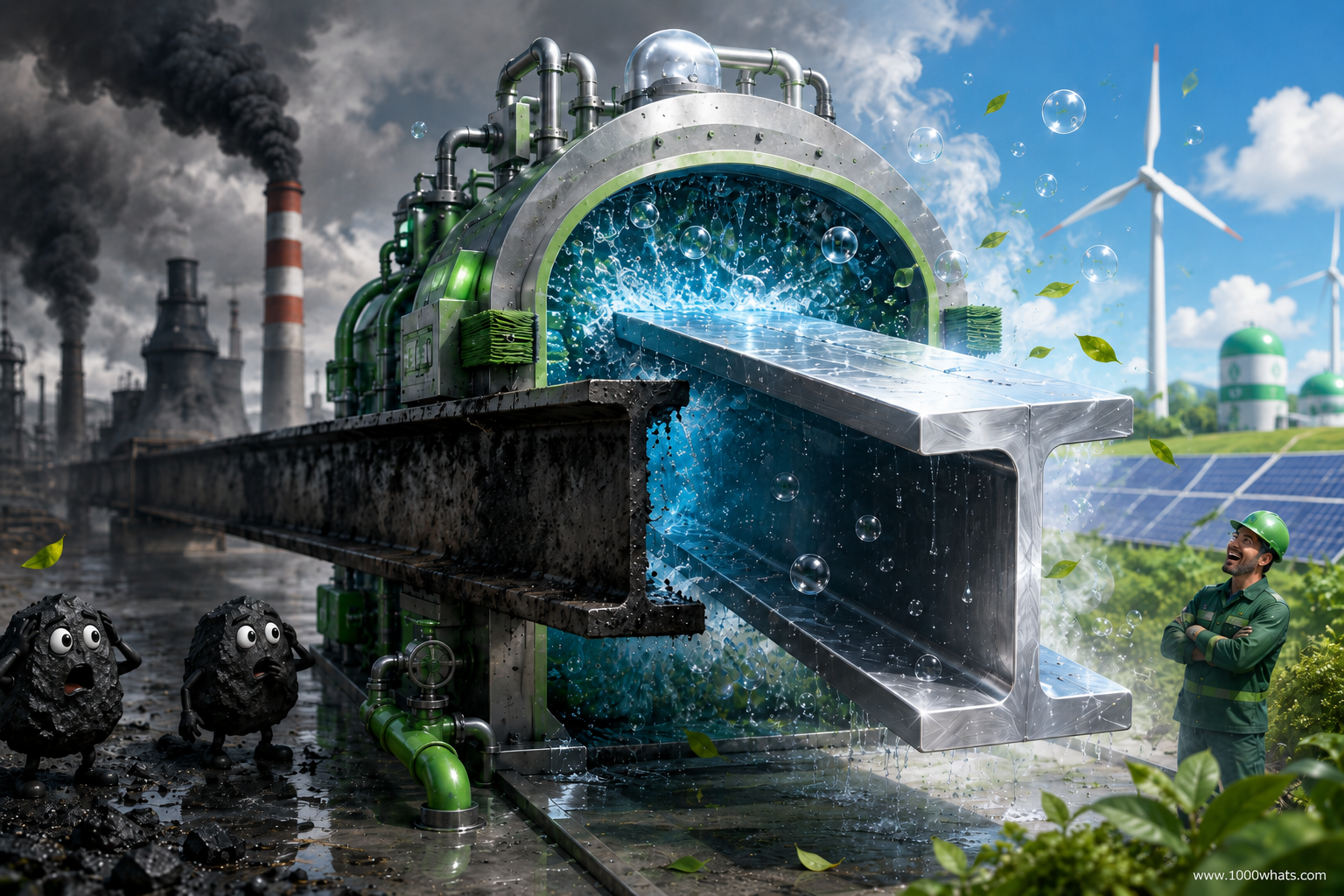
What is green steel? The metal that’s trying to quit coal without losing its mind

Creative image showing green steel as dirty steel being cleaned and transformed with hydrogen and renewable energy.

Green steel sounds like a marketing intern got loose with a color wheel. It’s not. It’s steel made with far lower greenhouse-gas emissions than the usual coal-heavy route—and that matters because steelmaking is responsible for roughly 7%–8% of global human-caused greenhouse-gas emissions. In other words: this is not some niche industrial hobby. This is one of the big beasts.

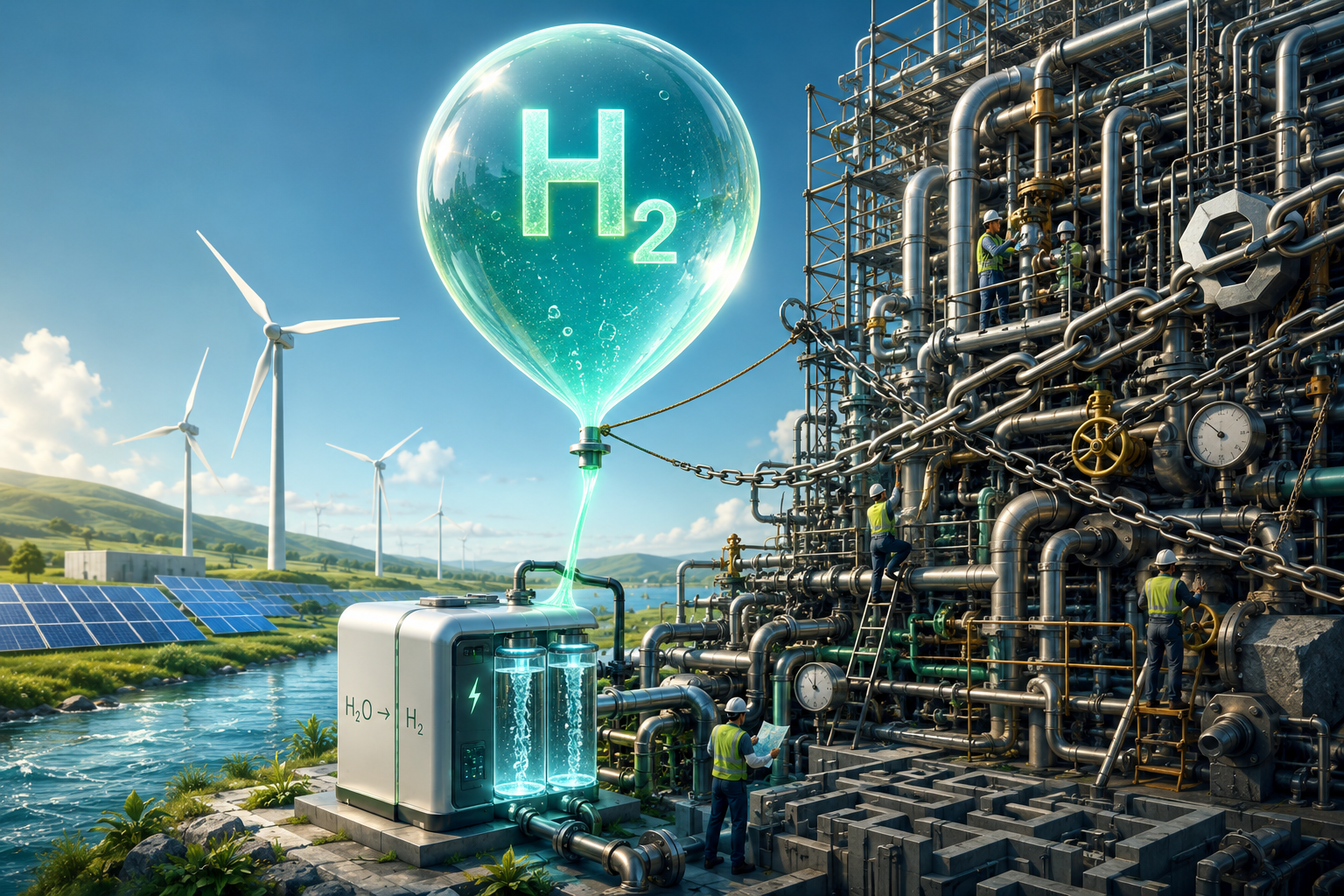
What is green hydrogen — the simple explanation most articles skip

Green hydrogen illustration showing wind and solar power producing H₂ through electrolysis for use in heavy industry.

What is green hydrogen, really? It is hydrogen made with renewable electricity—but the part most articles miss is this: hydrogen does two very different jobs. Sometimes it is a chemical ingredient used in fertilizer and industry. Other times it is an energy carrier used to store clean electricity for later. Once you see that split, green hydrogen stops sounding like futuristic jargon and starts making sense.