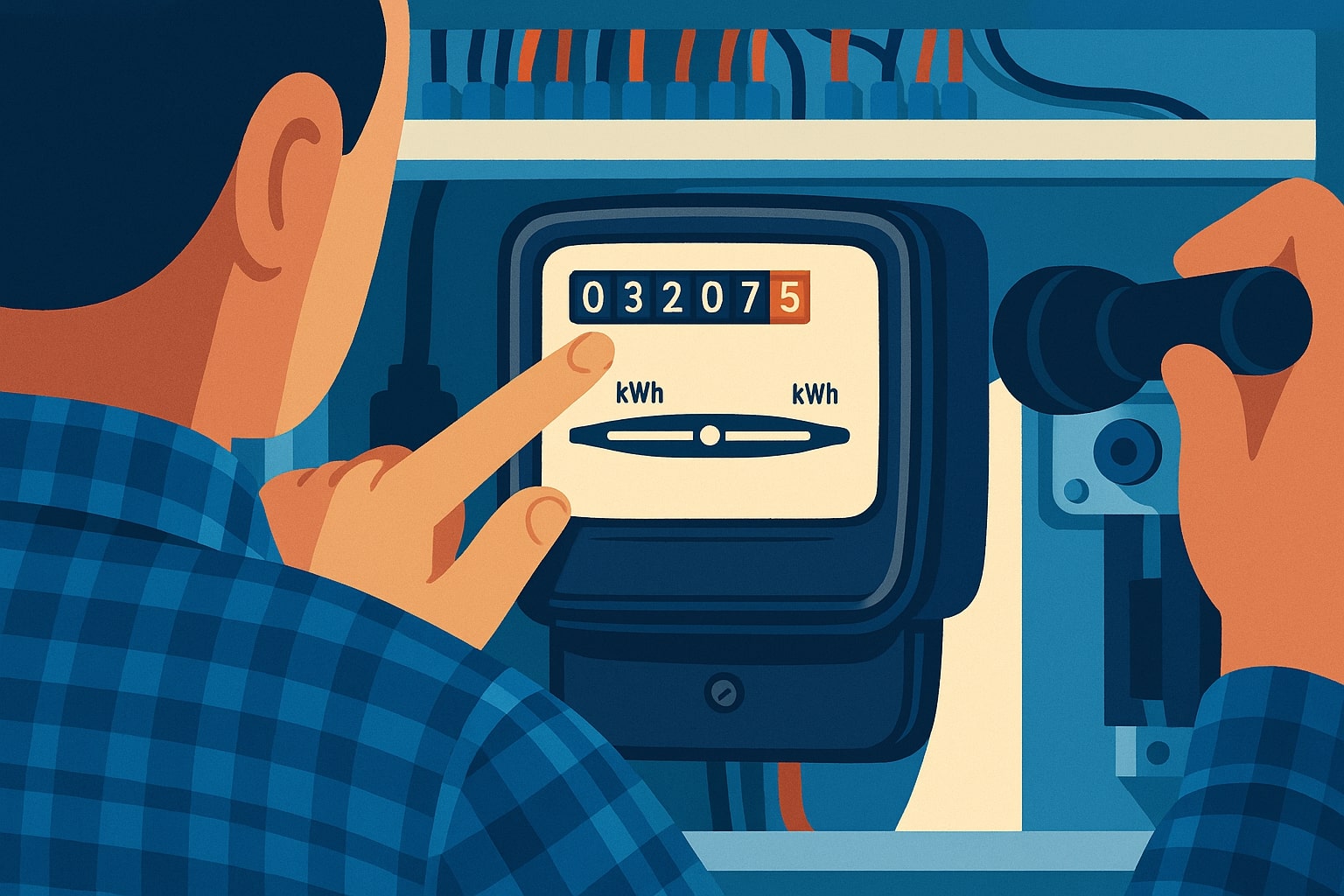
Power grid

The power grid delivers electricity from power plants to homes, businesses, and industries. It balances supply and demand, reroutes power during disruptions, and integrates technologies like solar, wind, and electric vehicles. As the backbone of the modern energy system, the grid enables reliability, flexibility, and innovation—quietly powering daily life while supporting the energy transition.

What is a synchronous condenser? The generator that stopped generating
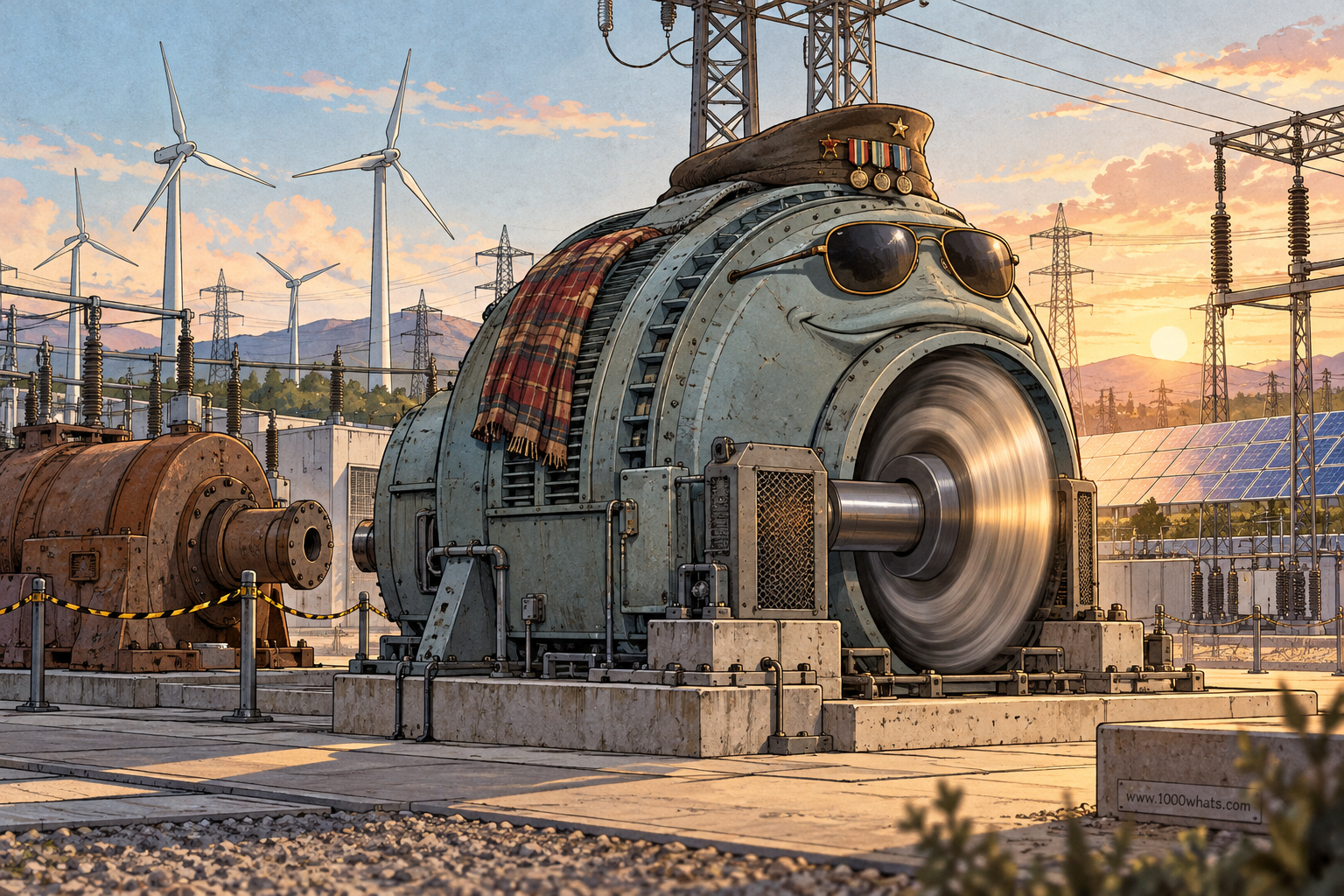
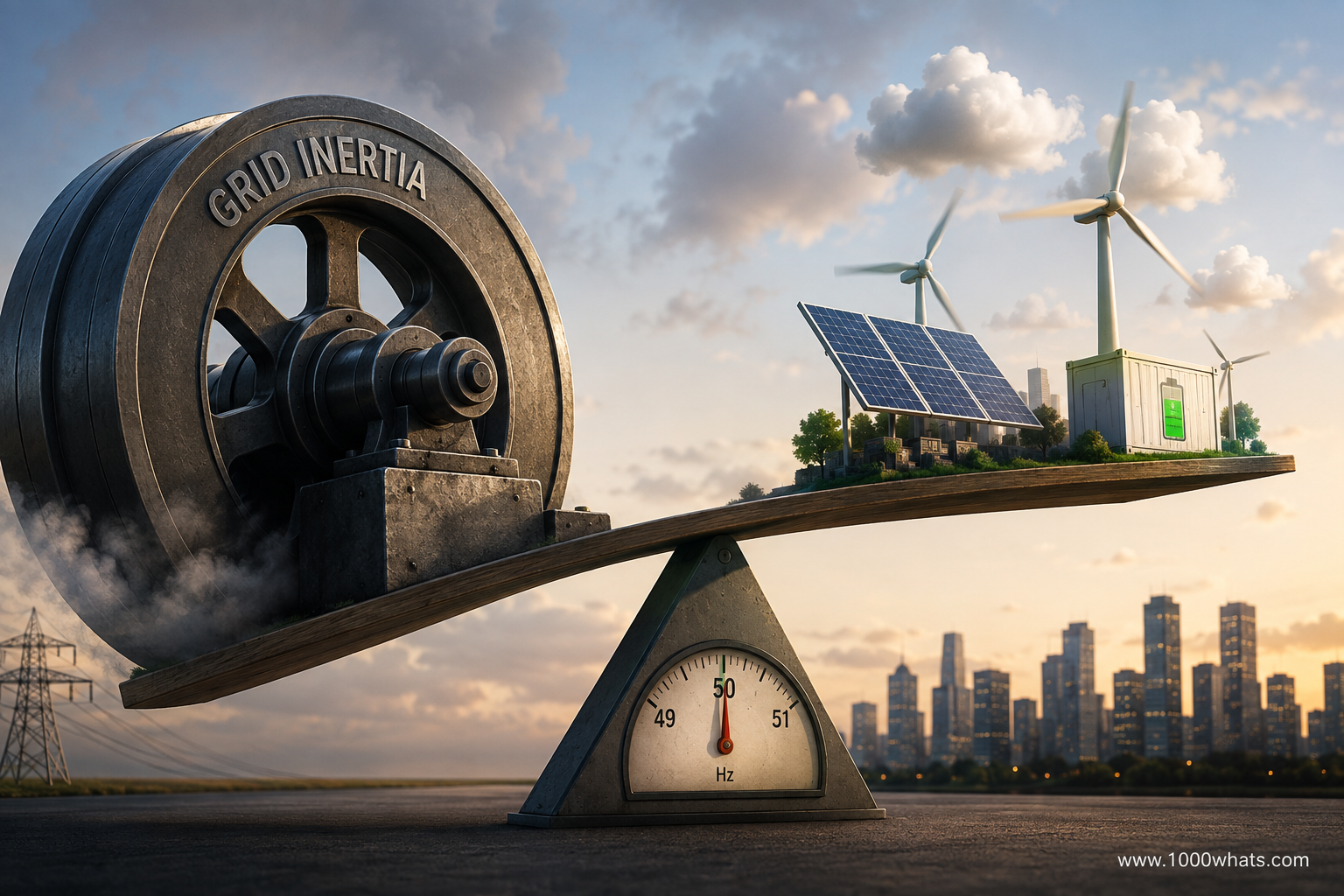
Synchronous condenser featured image showing a large rotating machine in a substation with wind turbines and solar panels in the background.

Imagine installing an enormous rotating electrical machine, connecting it to the power grid, and deliberately producing almost no electricity. That is a synchronous condenser. It provides inertia, voltage support and short-circuit strength without burning fuel to generate power. As traditional power stations retire, this old technology is finding a surprisingly important new job.
What is black start? How do you restart a grid with no electricity?

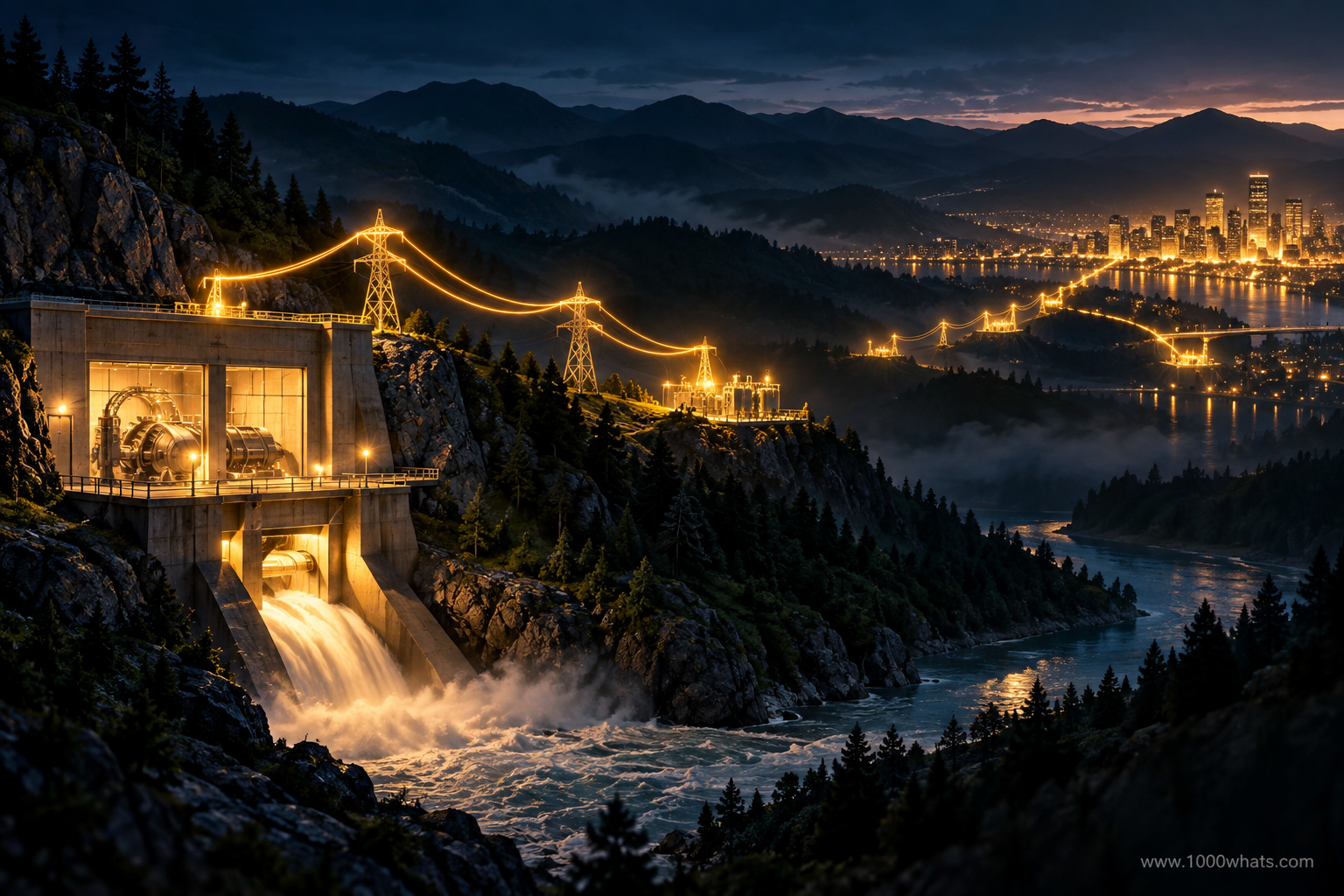
Black start featured image showing a hydroelectric plant energizing transmission lines toward a city during power-system restoration.

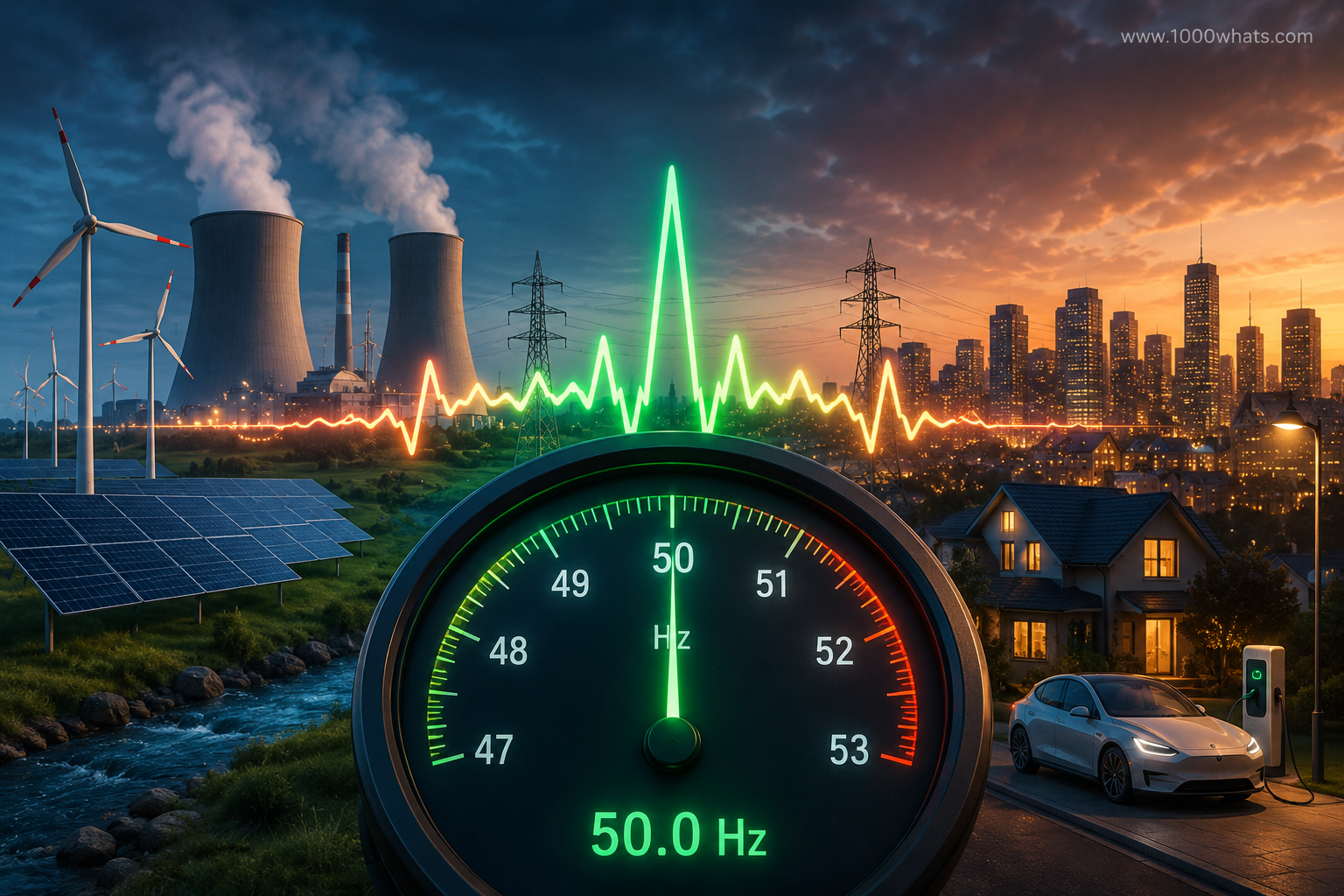
A blackout creates a wonderfully circular problem: the grid needs power plants to restart, but many power plants need electricity from the grid before they can start. Black start is how operators break that loop—using specially capable resources to create the first energized islands, start larger generators, reconnect transmission lines and loads, synchronize those islands, and gradually rebuild an entire power system from darkness.

What are ancillary services? The grid services nobody notices until something goes wrong

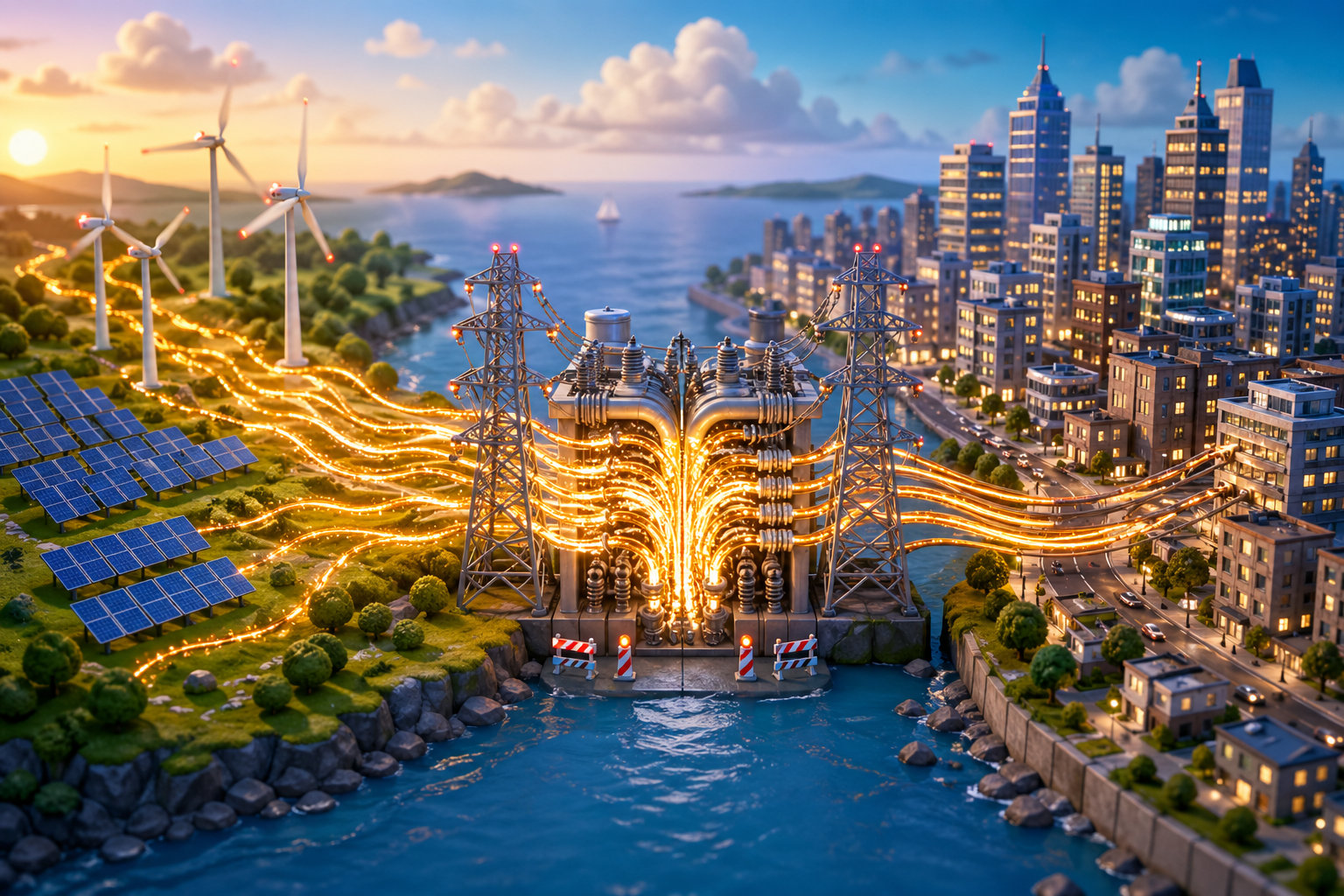
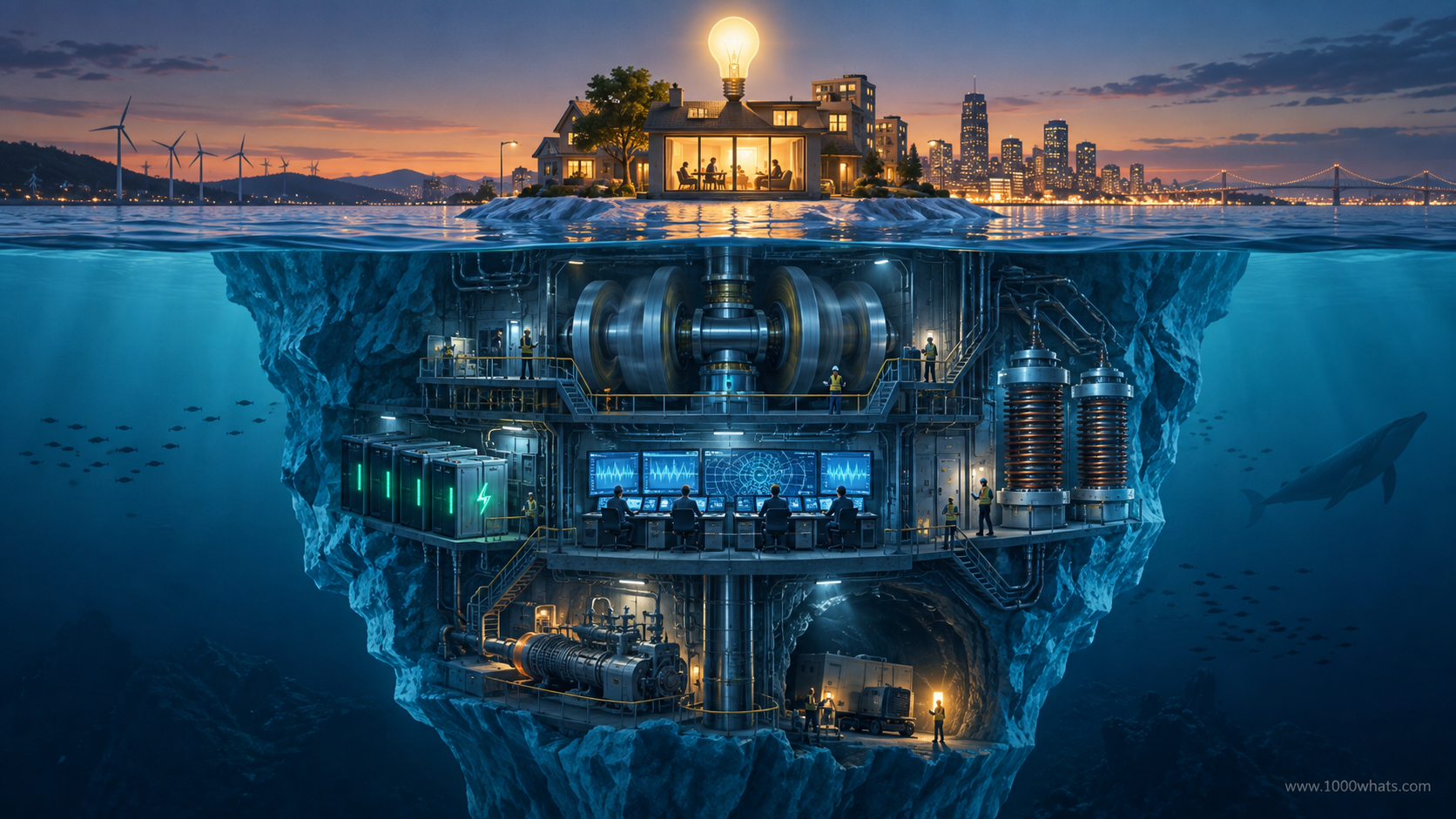
Illustration of a house above water with a hidden underground grid system below, representing ancillary services that support reliable electricity.

Buying enough electricity is not enough to run an electricity system. The grid also needs resources that can react in seconds, hold frequency, support voltage, replace a generator that suddenly disappears, and even help restart the system after a blackout. Those invisible jobs are called ancillary services—and as power systems add batteries, renewables, demand response, and power electronics, they are becoming much more visible.

What is curtailment? Why energy sometimes go to waste

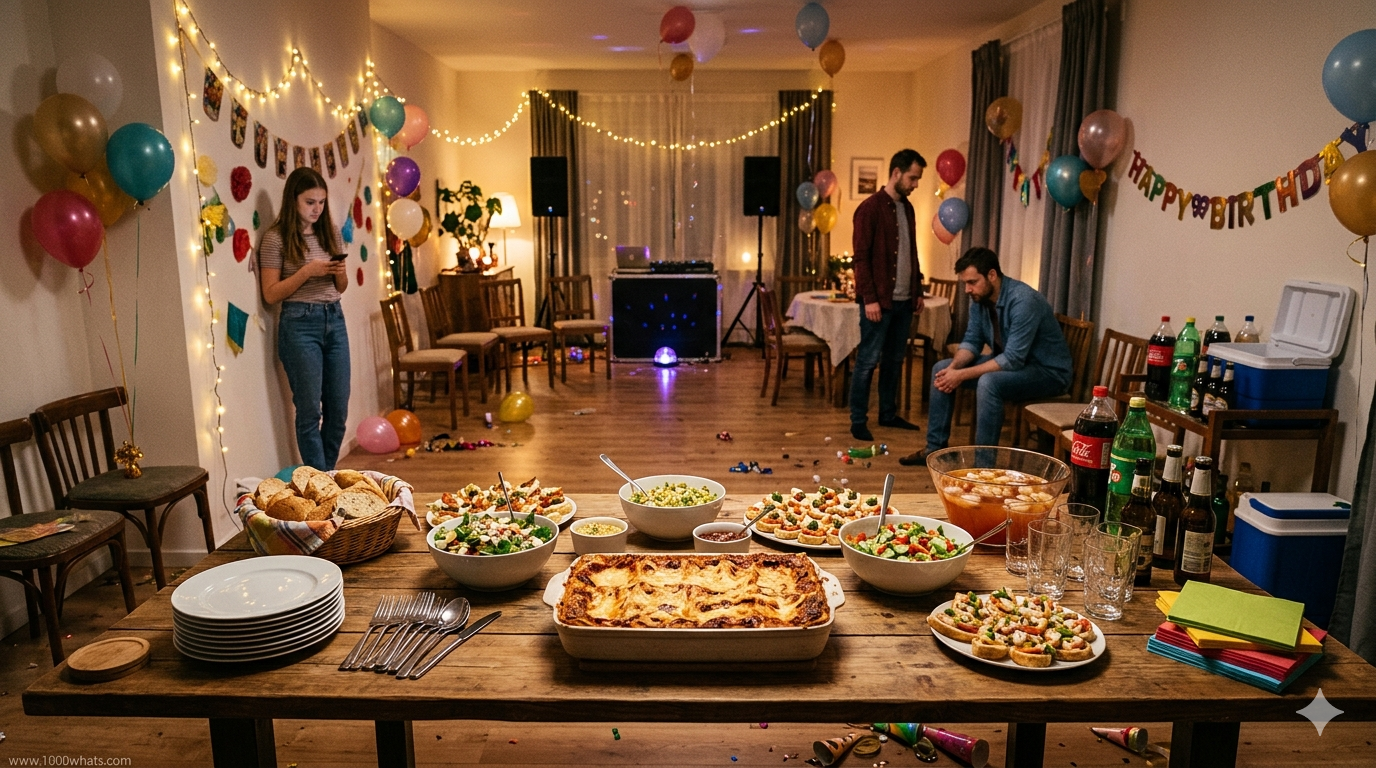
Curtailment concept image showing a table full of food and drinks after a party, symbolizing available energy supply that cannot be fully used or absorbed by the system.

Curtailment may sound harmless, but in the energy world it’s a serious headache. When the grid can’t absorb all the electricity being generated, especially from wind and solar, operators are forced to reduce output. Here’s what curtailment means, why it happens, what it costs, and how smarter grids could reduce it.

What is electricity theft? Unseen, unpaid, unfair

Humorous image of electricity theft showing a man in a black thief eye mask on a worn balcony, using a hooked rod to tap into power lines from an electric pole, with a wire running into his home and a glowing streetlight in the background.

Electricity theft isn’t just a distant issue—it affects you. From rising bills to dangerous hazards like fires and blackouts, stolen power comes at a cost. Discover how it’s done, why it happens, and the surprising truth: when electricity is stolen, honest people end up paying the price.