Electricity Prices

Electricity prices are like weather forecasts—they change often, affect everyone, and sometimes make no sense. Behind each spike or drop? A tangled mess of politics, demand, and fuel costs. Don’t worry, you’re not the only one confused.

What is energy arbitrage? Buying electricity when nobody wants it
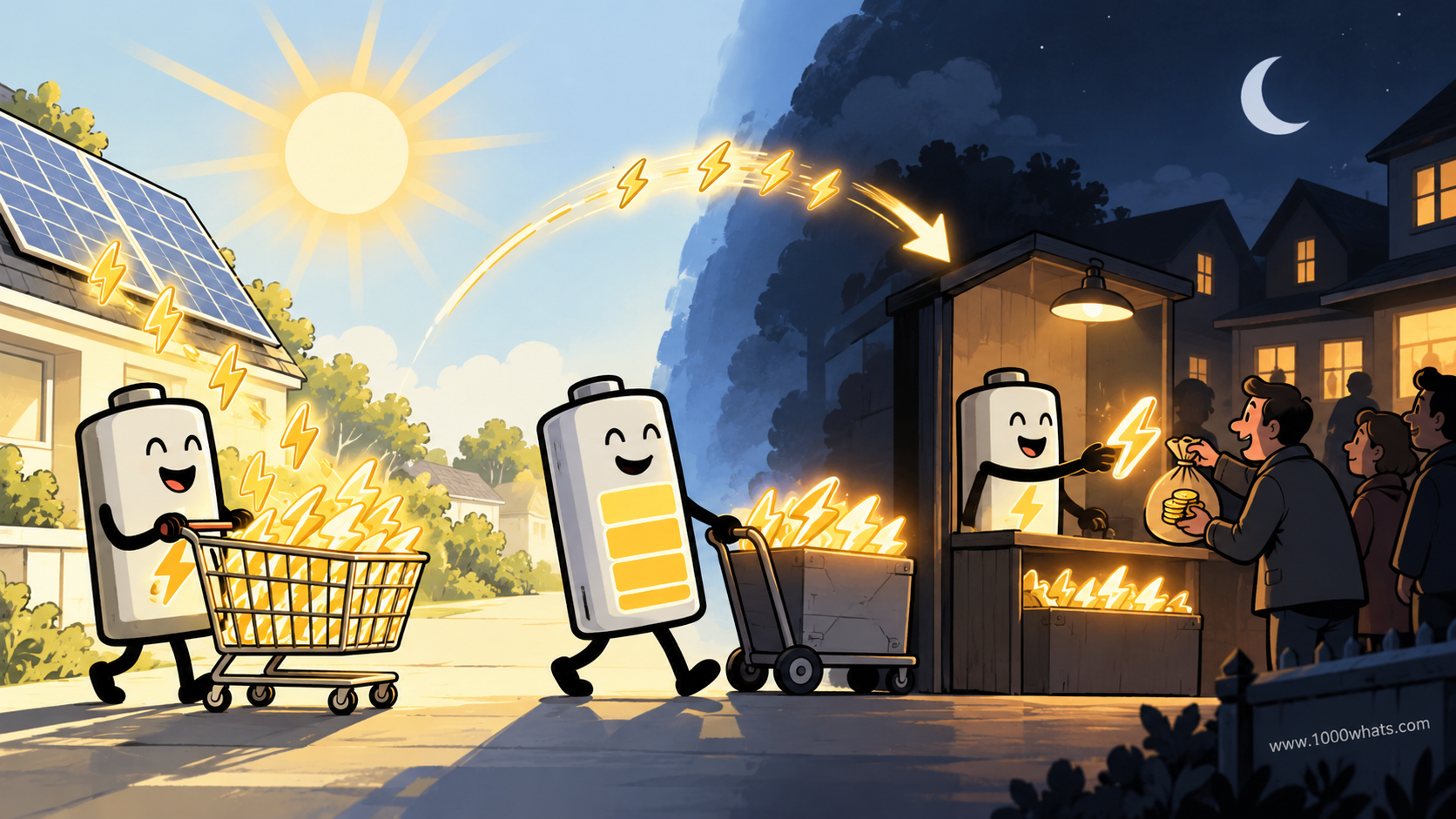
Energy arbitrage featured image showing batteries moving cheap daytime electricity toward a higher-value nighttime market.

Electricity can be worth €20/MWh at noon and €150/MWh a few hours later. Energy arbitrage turns that difference into a business model: buy or store electricity when it is cheap, then sell it when it becomes valuable. The idea sounds suspiciously like “buy low, sell high.” It is. The interesting part is what batteries, efficiency losses, degradation, forecasts, negative prices, and thousands of competing batteries do to that beautifully simple plan.

What is price risk: The invisible force that can turn a great energy deal into a disaster

Witty price risk featured image showing people riding a roller coaster shaped like rising and falling electricity price charts under stormy skies.

Price risk is the possibility that changing market prices will hurt your revenue, costs, or profitability. In energy markets, where electricity, gas, oil, and carbon prices can move brutally fast, understanding price risk can mean the difference between a healthy margin and a financial headache. Here’s how it works, where it comes from, and how energy companies manage it.

What is LCOE: The true cost of electricity

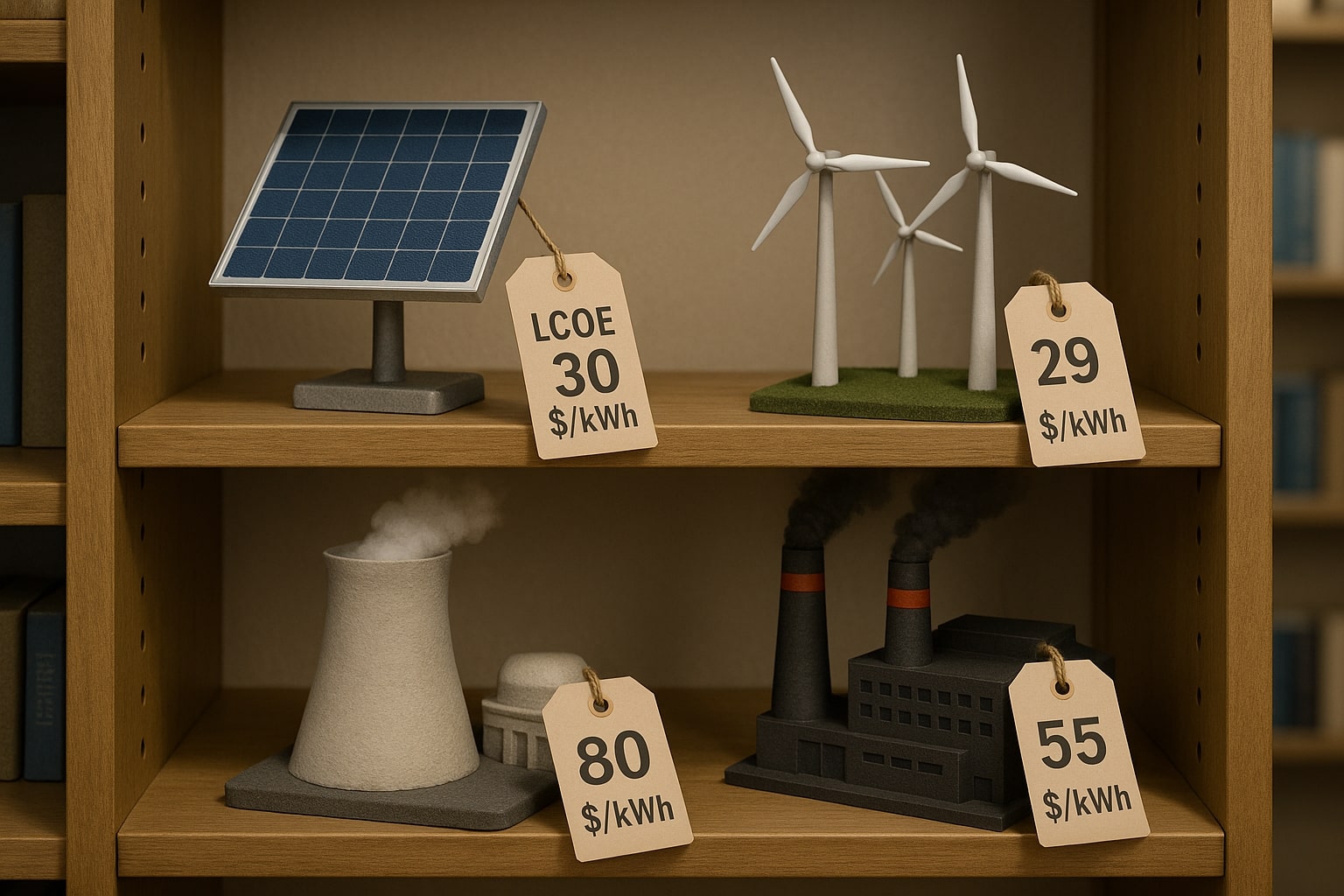
Realistic image of solar, wind, nuclear, and coal power models on shelves with LCOE price tags in dollars per kilowatt-hour.

LCOE (Levelized Cost of Electricity) is the go-to metric for comparing the true cost of energy—from solar and wind to nuclear and gas. It shows how much it really costs to generate power over a plant’s life. Simple, powerful, and essential for smart energy decisions. Here's what it means—and why it matters.