
Energy Efficiency

Energy efficiency is about achieving more with less—less waste, less energy, and fewer resources. From heating our homes to lighting our cities, energy efficiency makes systems smarter and more sustainable. By improving technology and practices, we can reduce costs, cut emissions, and create a cleaner future. This category explores strategies, innovations, and real-world examples that show how energy efficiency drives progress in households, businesses, and entire energy systems.

What is pinch analysis? The factory’s most expensive singles night
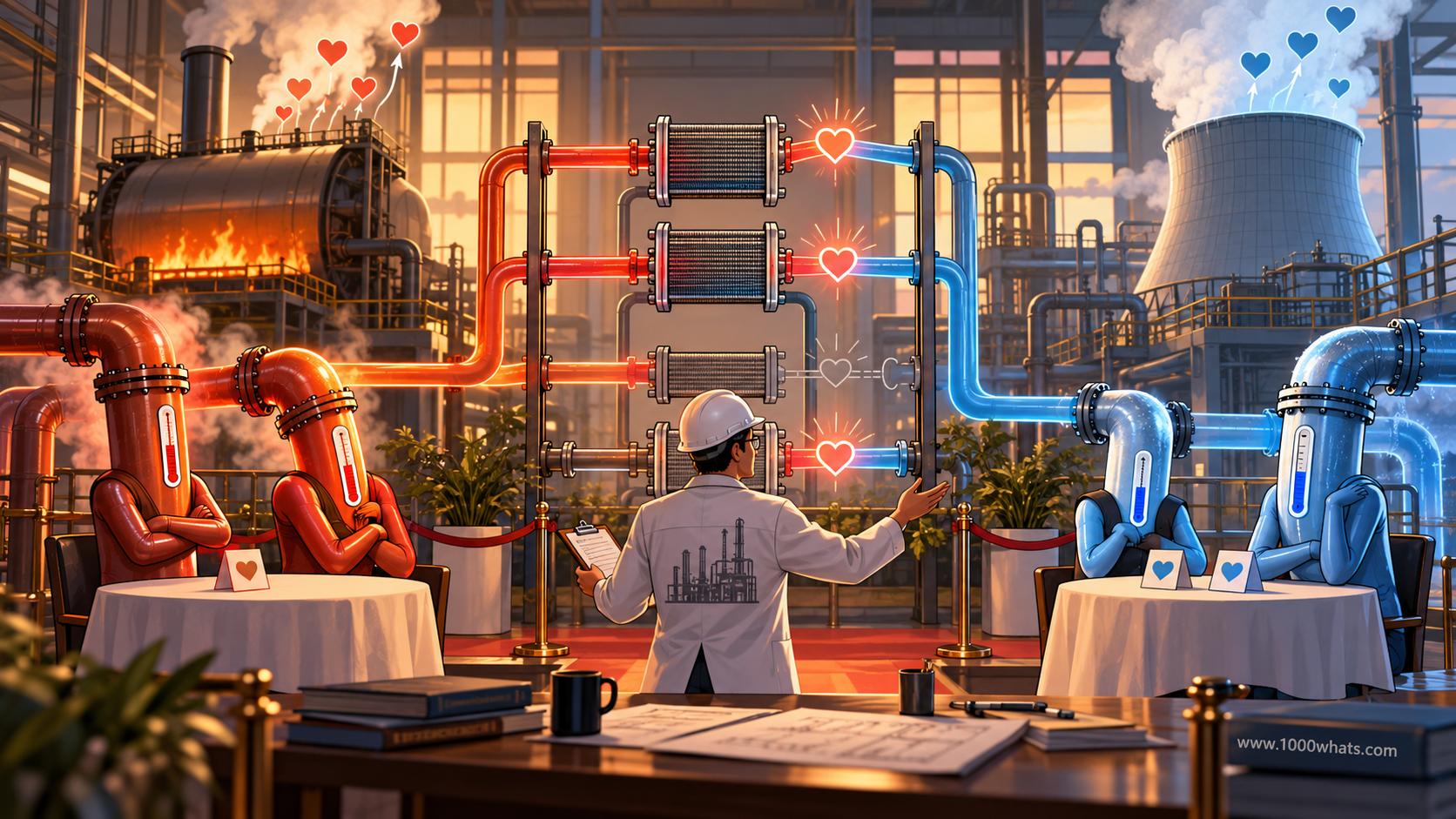
Pinch analysis featured image showing personified hot and cold process streams being matched through industrial heat exchangers for heat recovery.

A factory is paying to cool one process while paying again to heat another. The two streams have never met, and the boiler and cooling tower are delighted. Pinch analysis is the engineer's matchmaking service: it finds which heat can be reused, what temperatures permit, and how much external heating and cooling the plant could avoid. There are rules. Thermodynamics is chaperoning.

What is the rebound effect? When energy efficiency gets a raise and goes shopping

Rebound effect featured image showing an efficient pizza delivery van leading to more deliveries and a larger fleet, reducing the expected energy savings.

A delivery company doubles its fuel efficiency, celebrates the savings, and then starts driving so much that the fuel bill refuses to shrink. Welcome to the rebound effect, where cheaper energy services can tempt us to use more of them. From Jevons and steam engines to LEDs, heating, and AI, here's why efficiency works, why savings sometimes wander off, and how to bring them home.