Grid

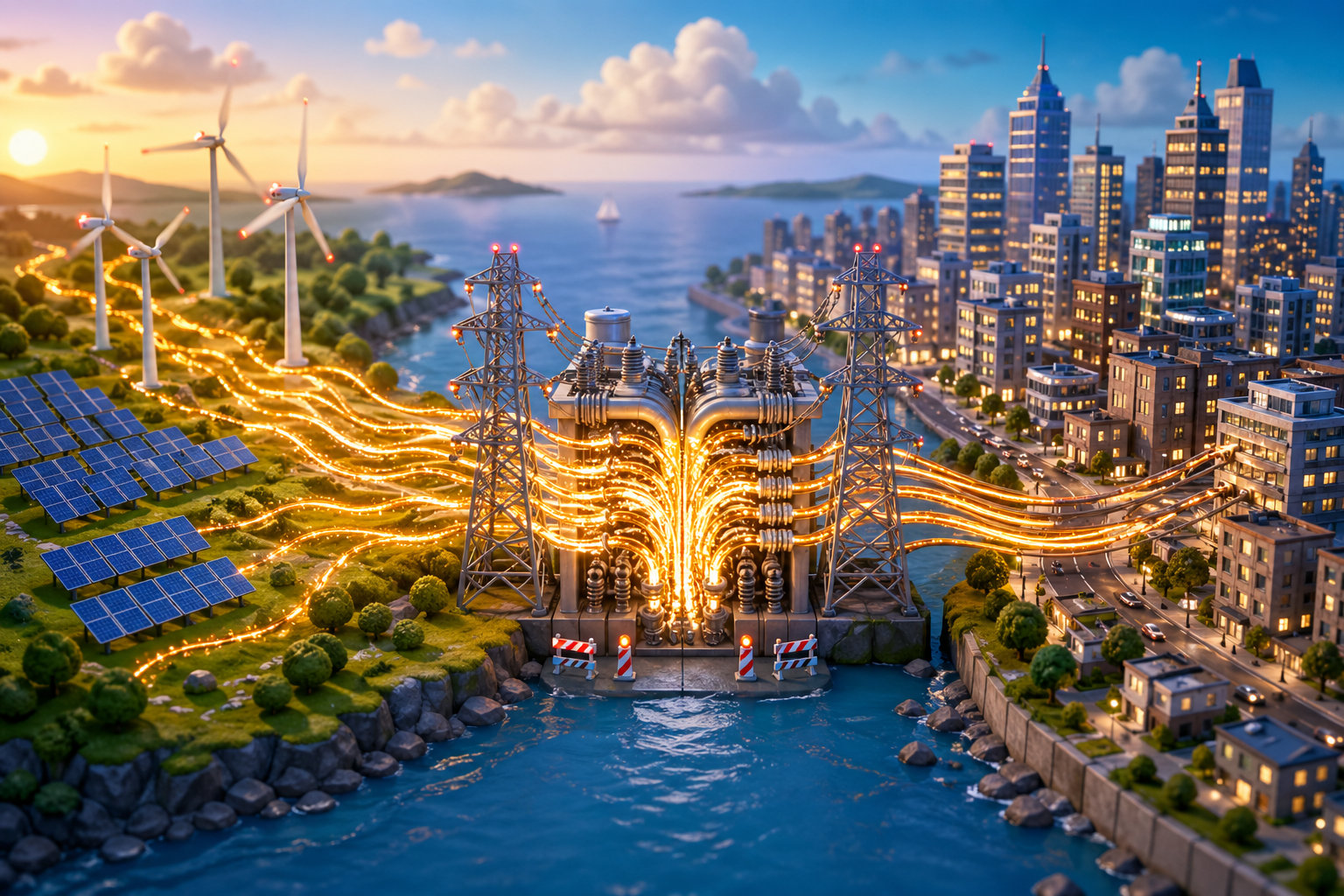
The grid delivers electricity from power plants to homes, businesses, and industries. It balances supply and demand, reroutes power during disruptions, and integrates technologies like solar, wind, and electric vehicles. As the backbone of the modern energy system, the grid enables reliability, flexibility, and innovation—quietly powering daily life while supporting the energy transition.

What is curtailment? Why energy sometimes go to waste

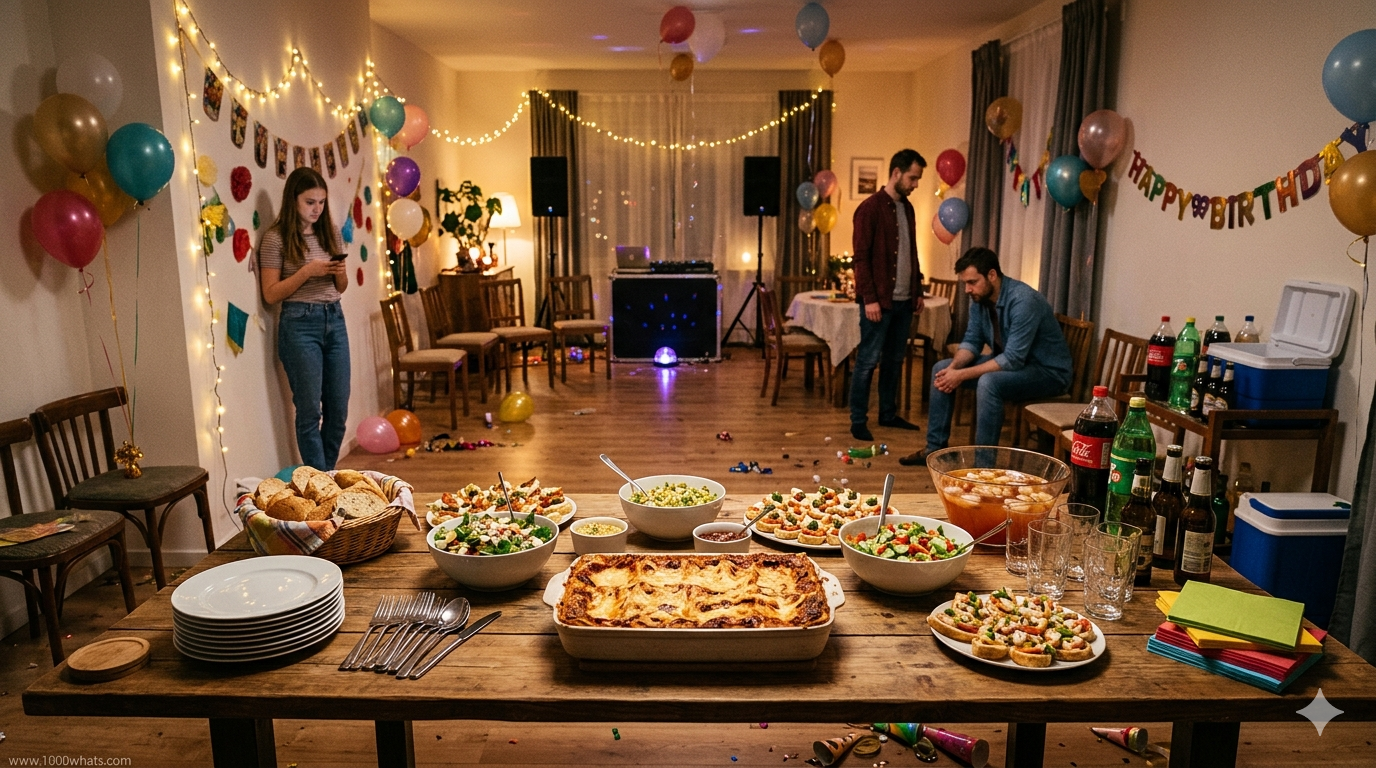
Curtailment concept image showing a table full of food and drinks after a party, symbolizing available energy supply that cannot be fully used or absorbed by the system.

Curtailment may sound harmless, but in the energy world it’s a serious headache. When the grid can’t absorb all the electricity being generated, especially from wind and solar, operators are forced to reduce output. Here’s what curtailment means, why it happens, what it costs, and how smarter grids could reduce it.

What is an electricity meter? Your friendly neighborhood watt-stalker

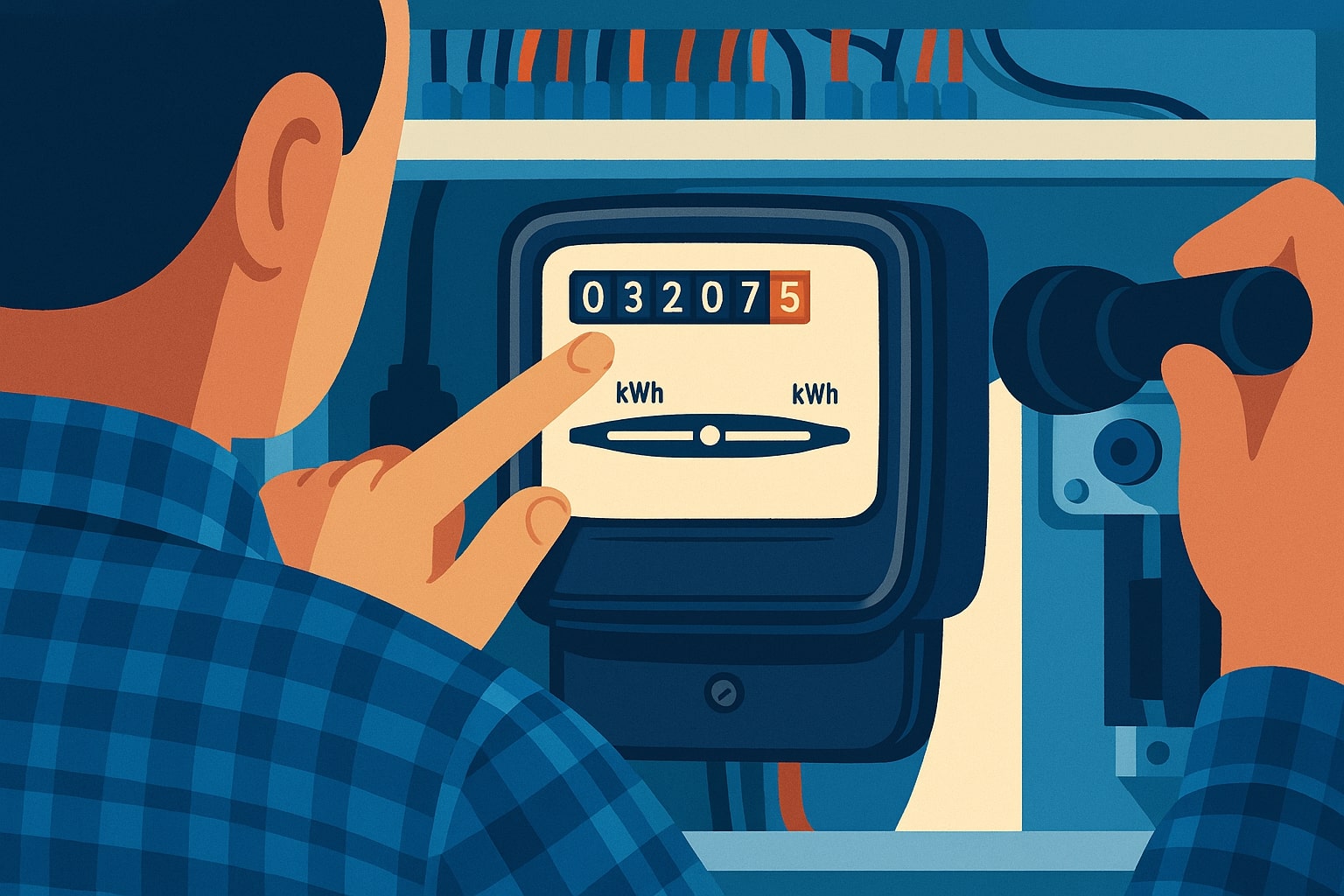
Illustration of a person reading an electricity meter using a flashlight inside an electrical panel.

From counting lamps to decoding kilowatt-hours, electricity meters have quietly powered our progress. Once humble gadgets with spinning disks, today’s meters are data-driven, tamper-smart, and grid-savvy marvels. They don’t just measure electricity—they measure how far we’ve come in making energy fair, efficient, and future-ready. ⚡✨

What is electricity theft? Unseen, unpaid, unfair

Humorous image of electricity theft showing a man in a black thief eye mask on a worn balcony, using a hooked rod to tap into power lines from an electric pole, with a wire running into his home and a glowing streetlight in the background.

Electricity theft isn’t just a distant issue—it affects you. From rising bills to dangerous hazards like fires and blackouts, stolen power comes at a cost. Discover how it’s done, why it happens, and the surprising truth: when electricity is stolen, honest people end up paying the price.