Fossil Fuels

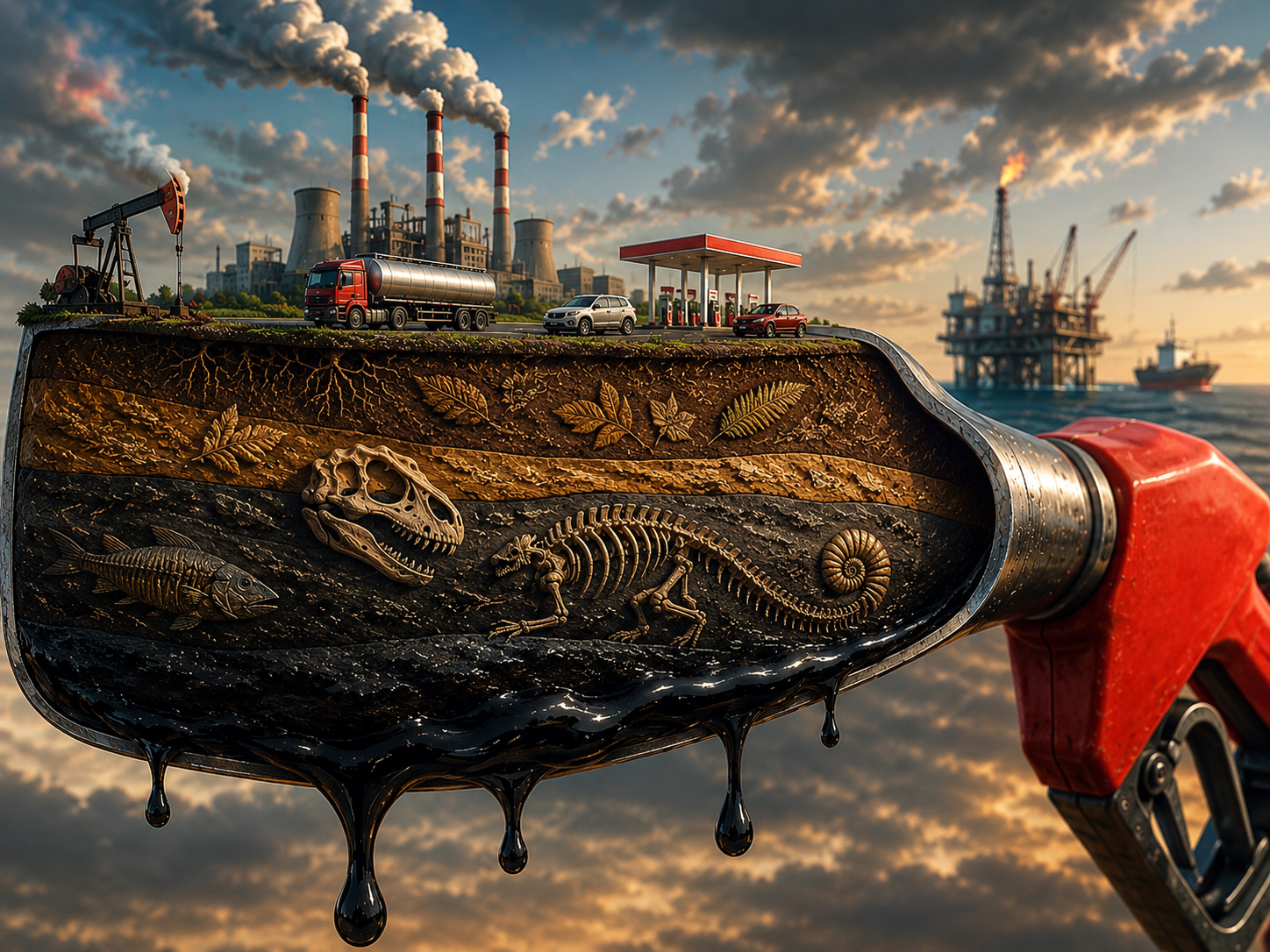
Fossil fuels power our world—but at a cost. Coal, oil, and gas drive progress, pollution, and climate change. The clock is ticking. ⏳🔥

What is methane leakage? When natural gas escapes before anyone burns it
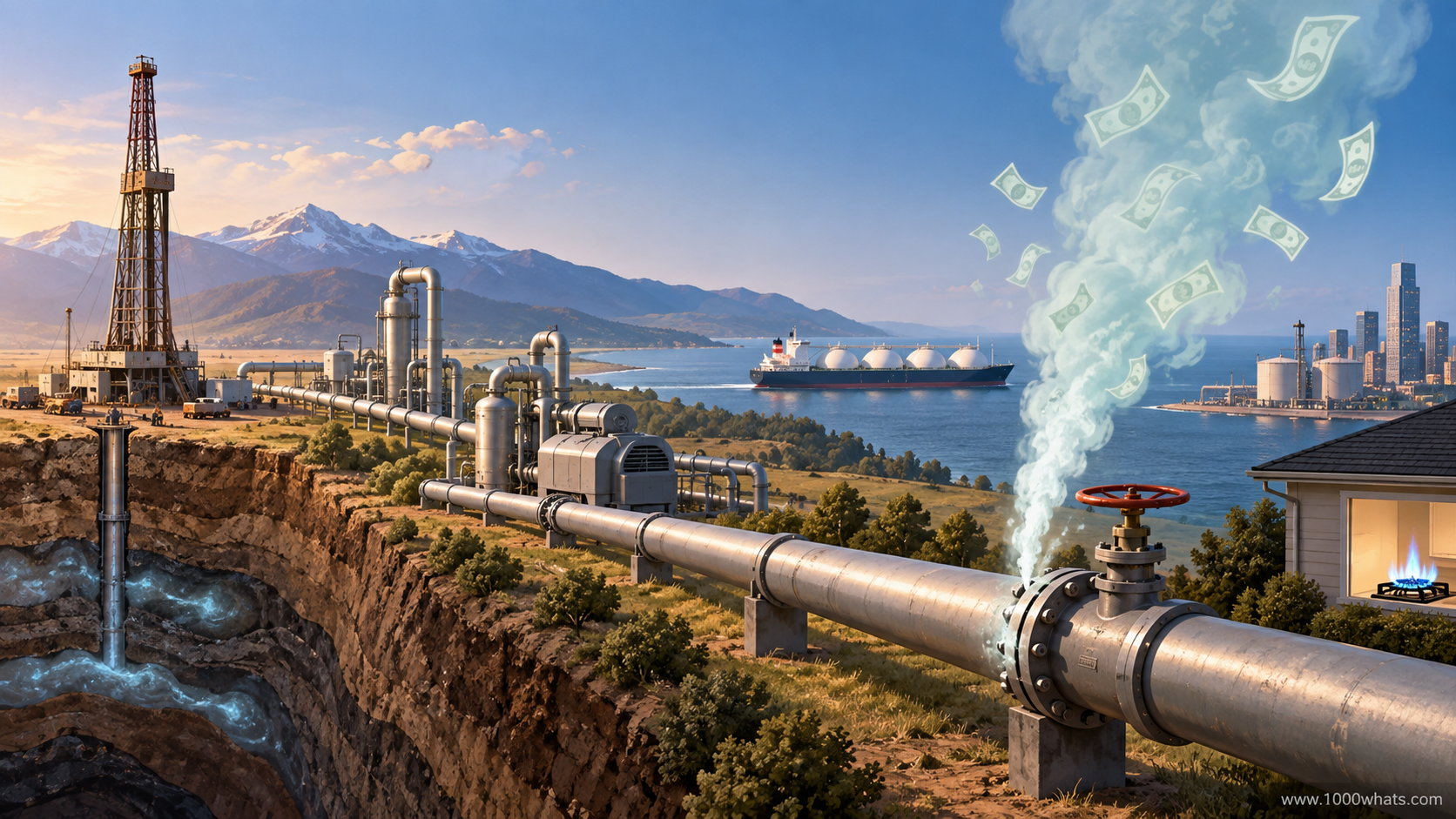
Natural gas infrastructure with a pipeline methane leak, LNG ship and gas production facilities illustrating methane leakage across the gas supply chain.

Natural gas is mostly methane. Burn it, and the main climate problem is CO₂. Let it escape before combustion, and you release methane itself—a greenhouse gas far more powerful over the near term. That means a leaking valve, an open vent, a badly performing flare, or an abandoned well can change the climate footprint of gas before the fuel has produced a single useful kilowatt-hour.
What is LNG? How natural gas learned to cross an ocean

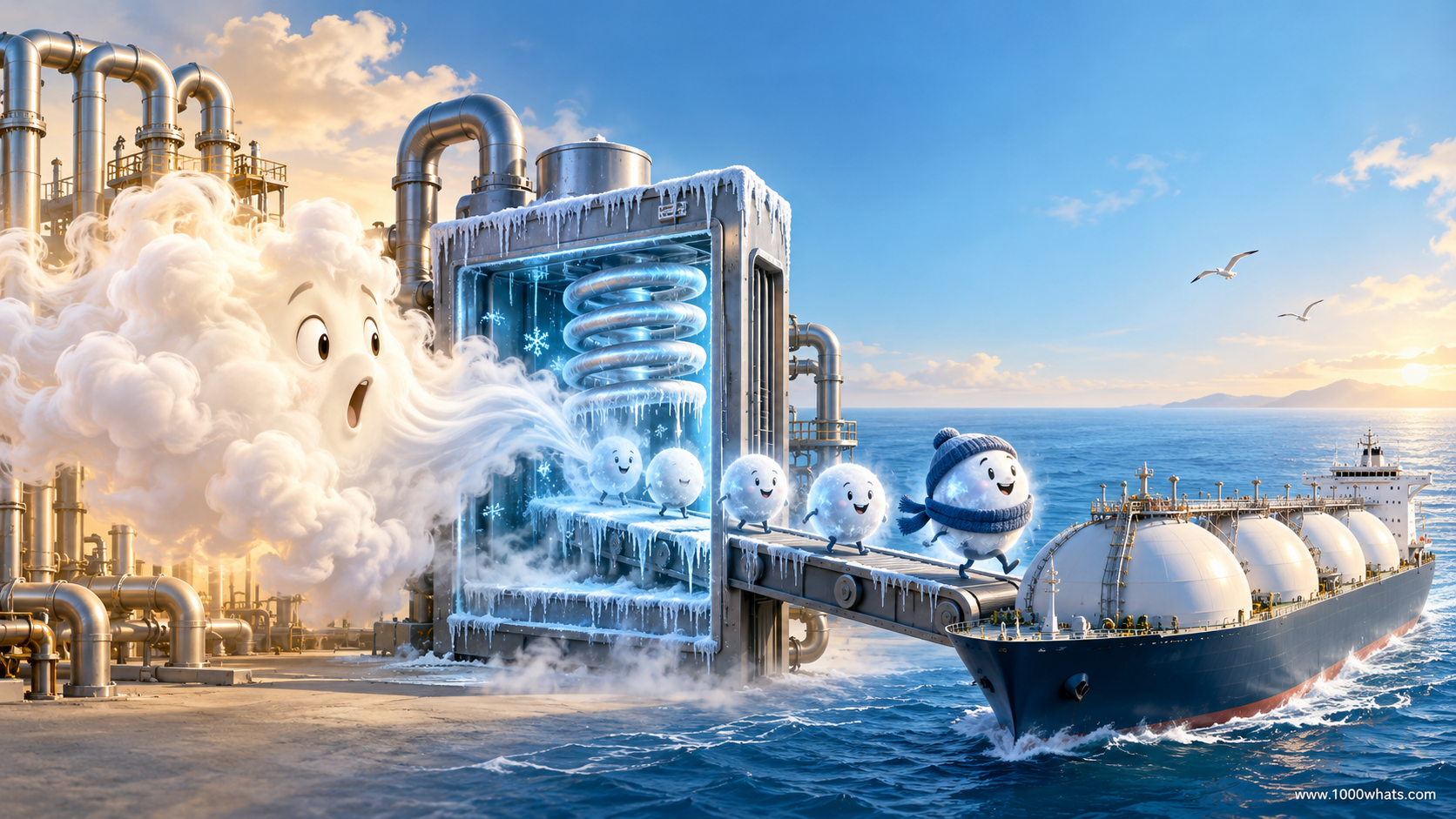
Featured image showing natural gas being cooled into LNG and transported by an LNG carrier across the sea.

Natural gas has one awkward physical problem: as a gas, it takes up an enormous amount of space. LNG solves that by cooling natural gas to around −162°C, shrinking its volume roughly 600 times and turning a pipeline-bound fuel into something that can cross oceans on ships. That simple phase change quietly transformed natural gas from a regional commodity into a global one.

What is CBAM? The carbon border rule quietly rewriting European trade

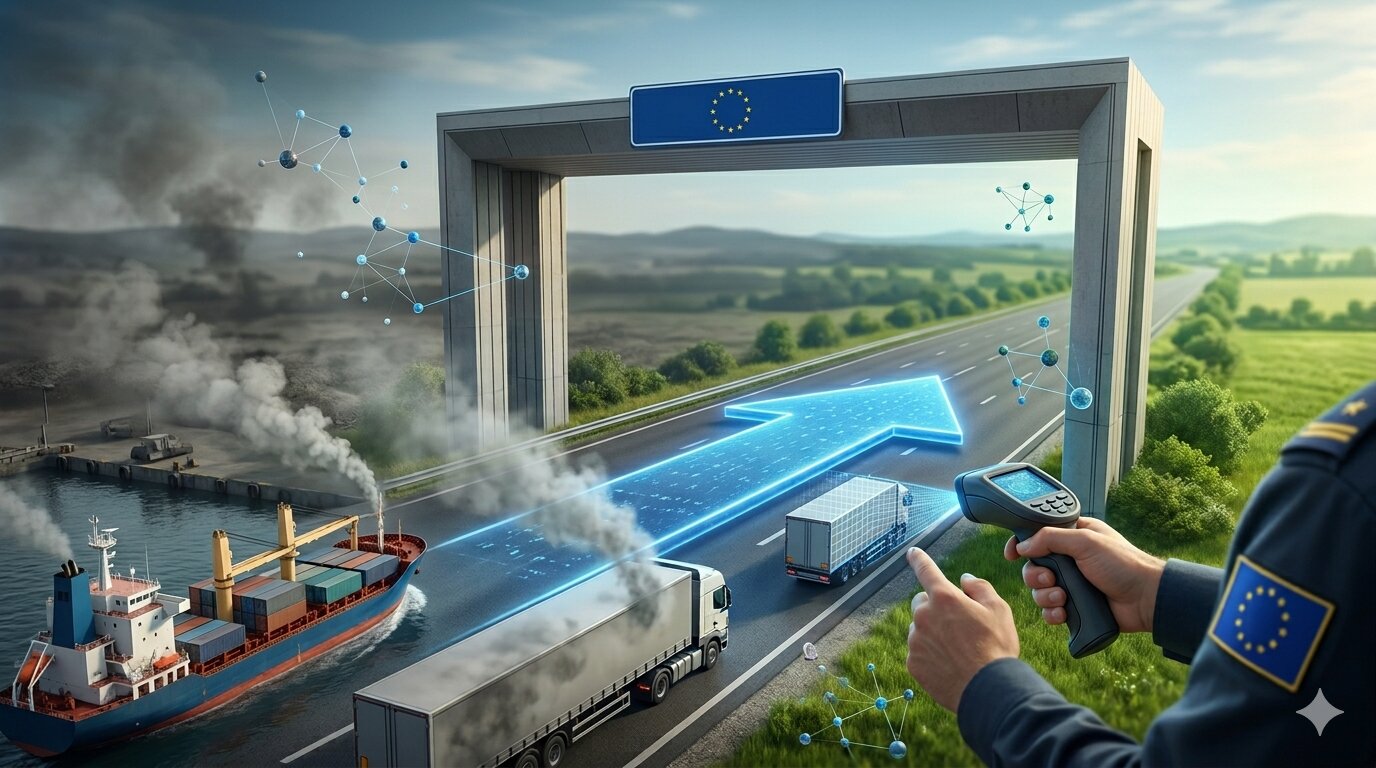
Digital illustration of CBAM at the EU border, with trucks and a cargo ship emitting smoke while imports are scanned for carbon emissions before entering the European market.

CBAM is no longer some Brussels acronym floating above the real economy. Since January 1, 2026, the EU’s Carbon Border Adjustment Mechanism has moved into its definitive phase, putting carbon costs on certain imports and changing the math for exporters, industrial buyers, and electricity traders alike. Here’s what CBAM is, why it exists, how it works, and why the Western Balkans should be paying very close attention.

What is coal? The hero and the villain

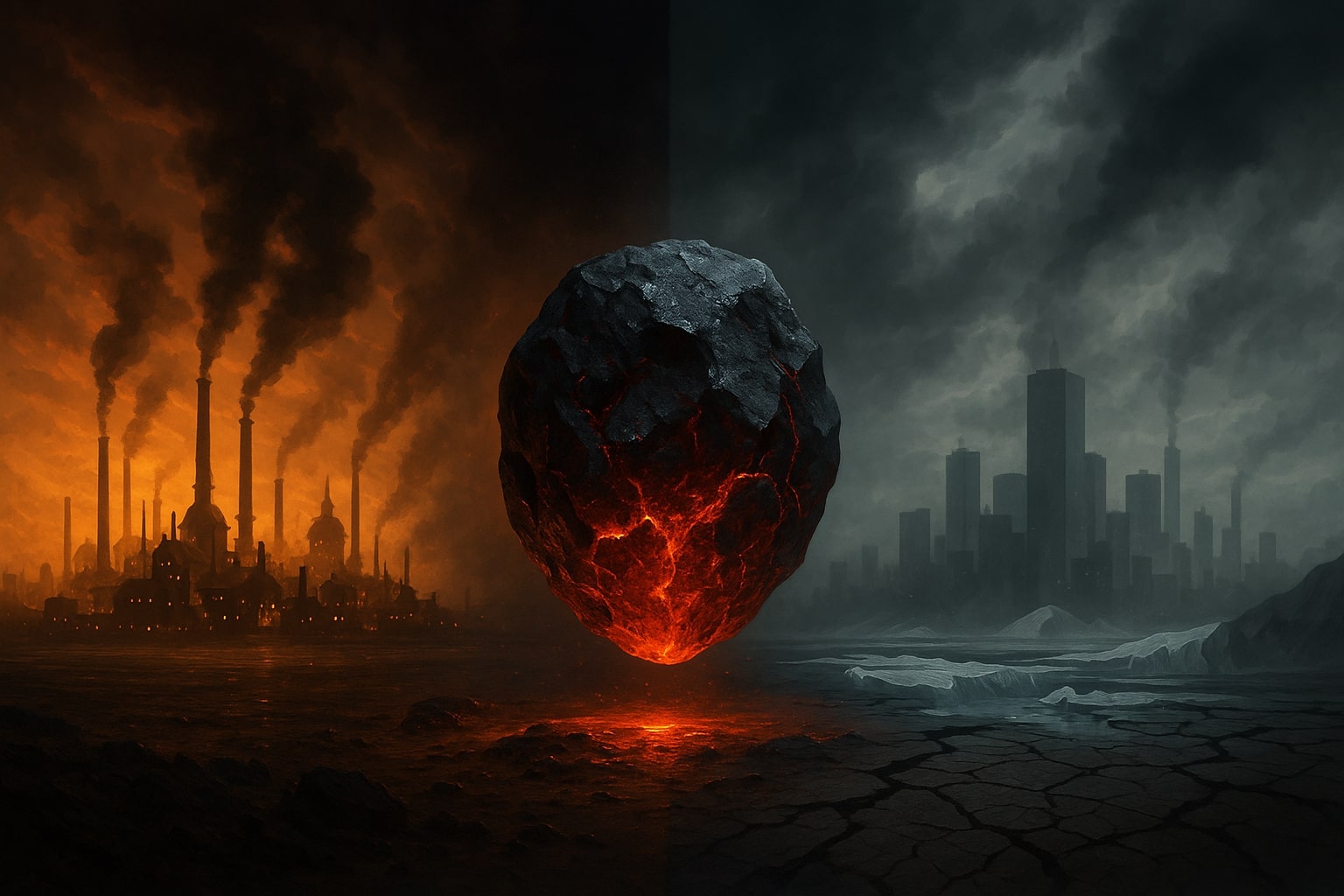
Split-scene digital painting showing coal’s impact—left side with industrial-era smokestacks, right side with a modern polluted city and melting glaciers, and a glowing coal lump at the center.

Coal’s story isn’t just about energy—it’s an epic rise and fall. Once hailed as a savior of progress, this black rock powered cities and built empires. But behind the smoke lies a darker legacy. Join me as we uncover the truth about coal—its power, its peril, and its place in our future.

What is global warming? The heat, the causes, and the future

The Earth’s rising temperatures are transforming our world in ways we can no longer ignore—triggering extreme weather, putting ecosystems at risk, and disrupting our everyday lives. And let’s be clear, human activity is a big part of this story. The challenge may feel overwhelming, but the good news is we’re not out of time. We still have the power to make a real difference. The future is in our hands, and what we choose to do today will shape the world for generations to come.