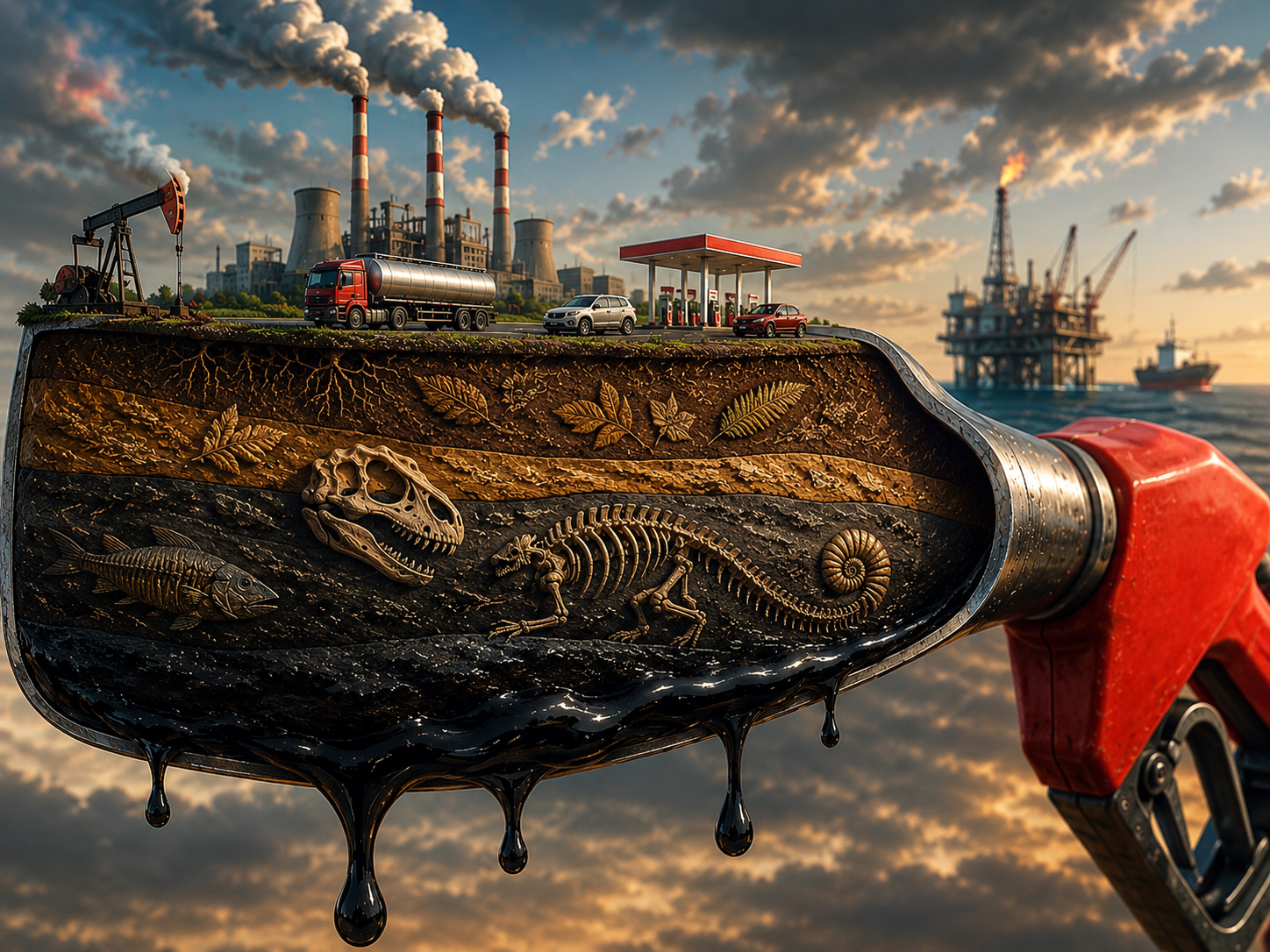
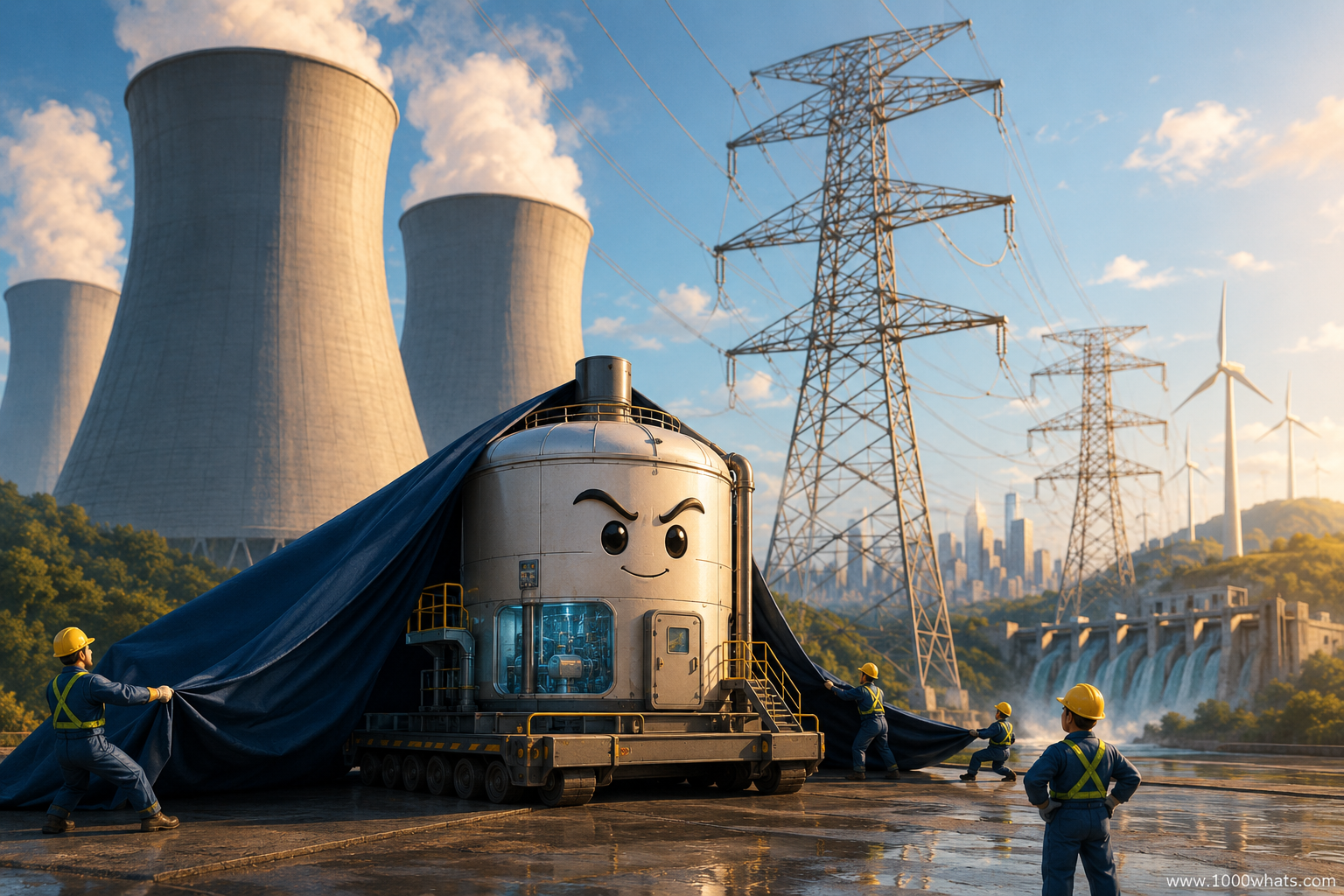
Energy Production

Energy Production refers to generating power from sources like fossil fuels, renewables, and nuclear to meet global energy demands efficiently. ⚡🌍

What is geothermal energy? The renewable power plant hiding under your feet
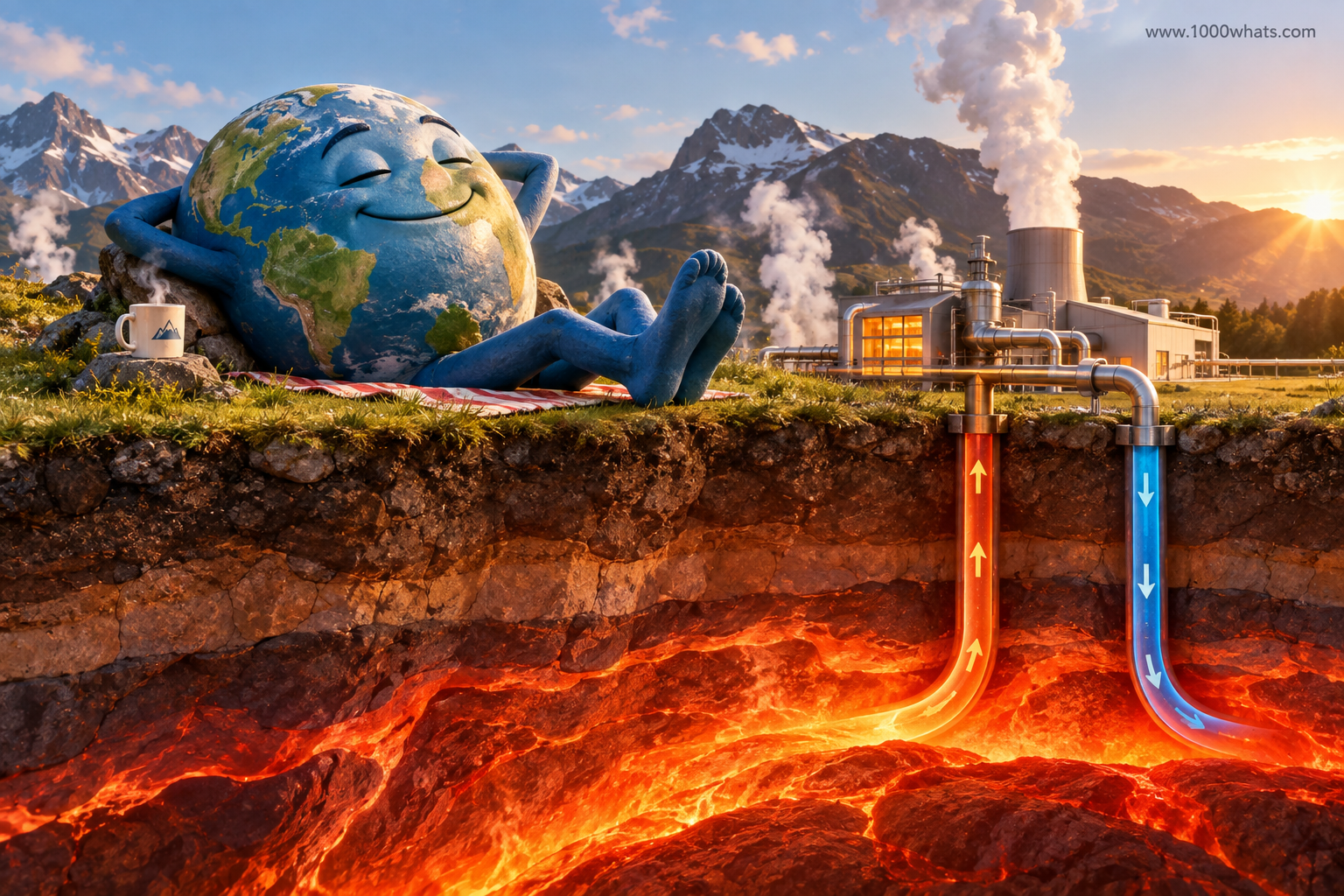
Illustration of Earth resting beside a geothermal power plant with wells carrying hot and cool water through underground heat.

The Earth is hot beneath our feet—hot enough in the right places to heat cities and generate electricity around the clock. Geothermal energy taps that underground heat, but the real story is more interesting than “find a volcano and drill.” New drilling technologies may be turning one of renewable energy’s most geographically limited resources into something much bigger.
What is a Combined-Cycle Gas Turbine? Two turbines, one flame

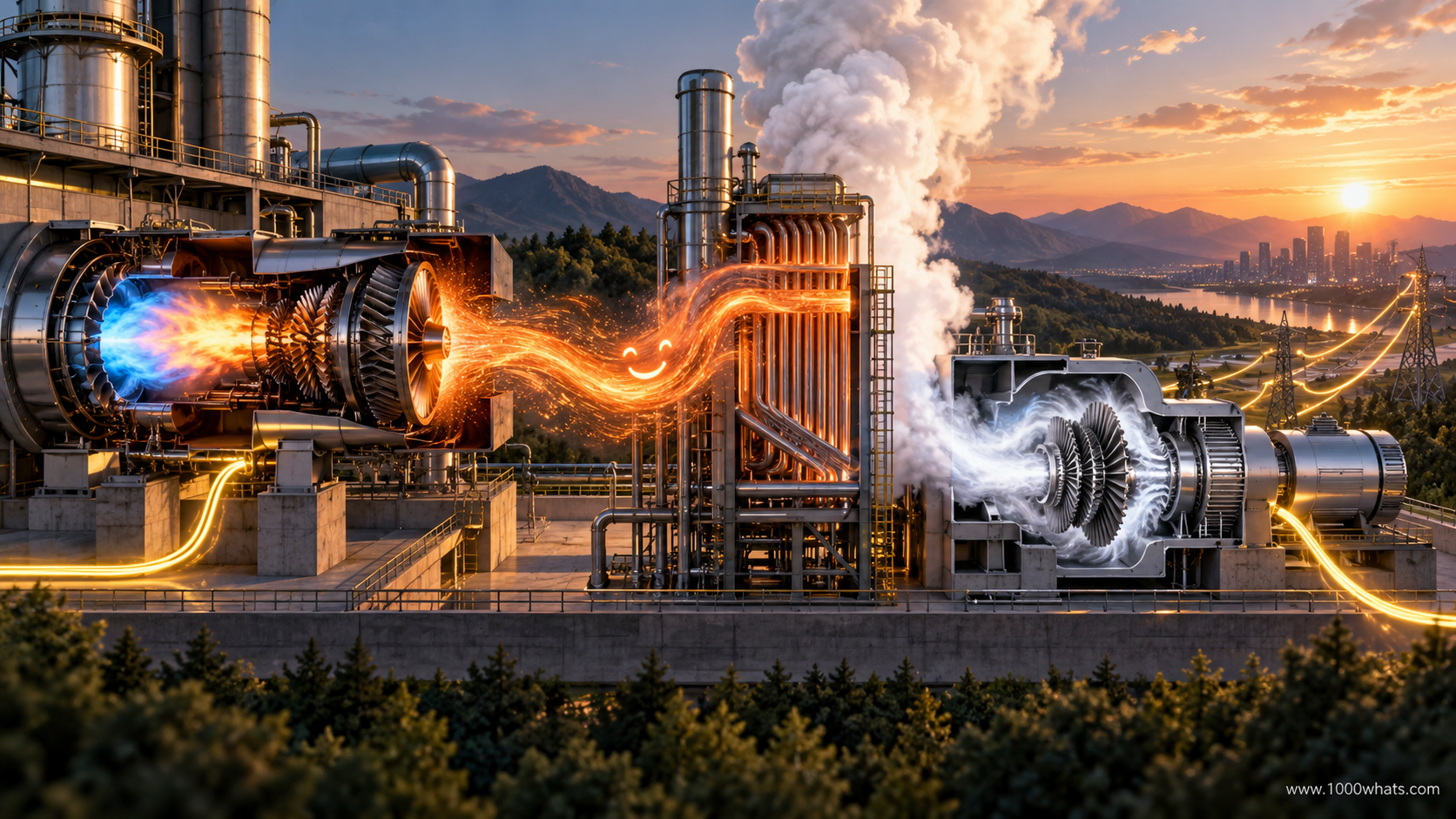
Illustrated Combined-Cycle Gas Turbine plant with glowing hot exhaust moving from a gas turbine through heat recovery equipment to a steam turbine producing electricity.

A combined-cycle gas turbine burns natural gas once but extracts electricity in two stages: first from a gas turbine, then from a steam turbine powered by the hot exhaust the first turbine was about to throw away. That simple act of refusing to waste heat is why CCGTs can reach efficiencies around 60%—and why they still matter in a power system filling up with wind, solar, and batteries.

What is nuclear fission? The weird atomic trick that boils water and powers cities

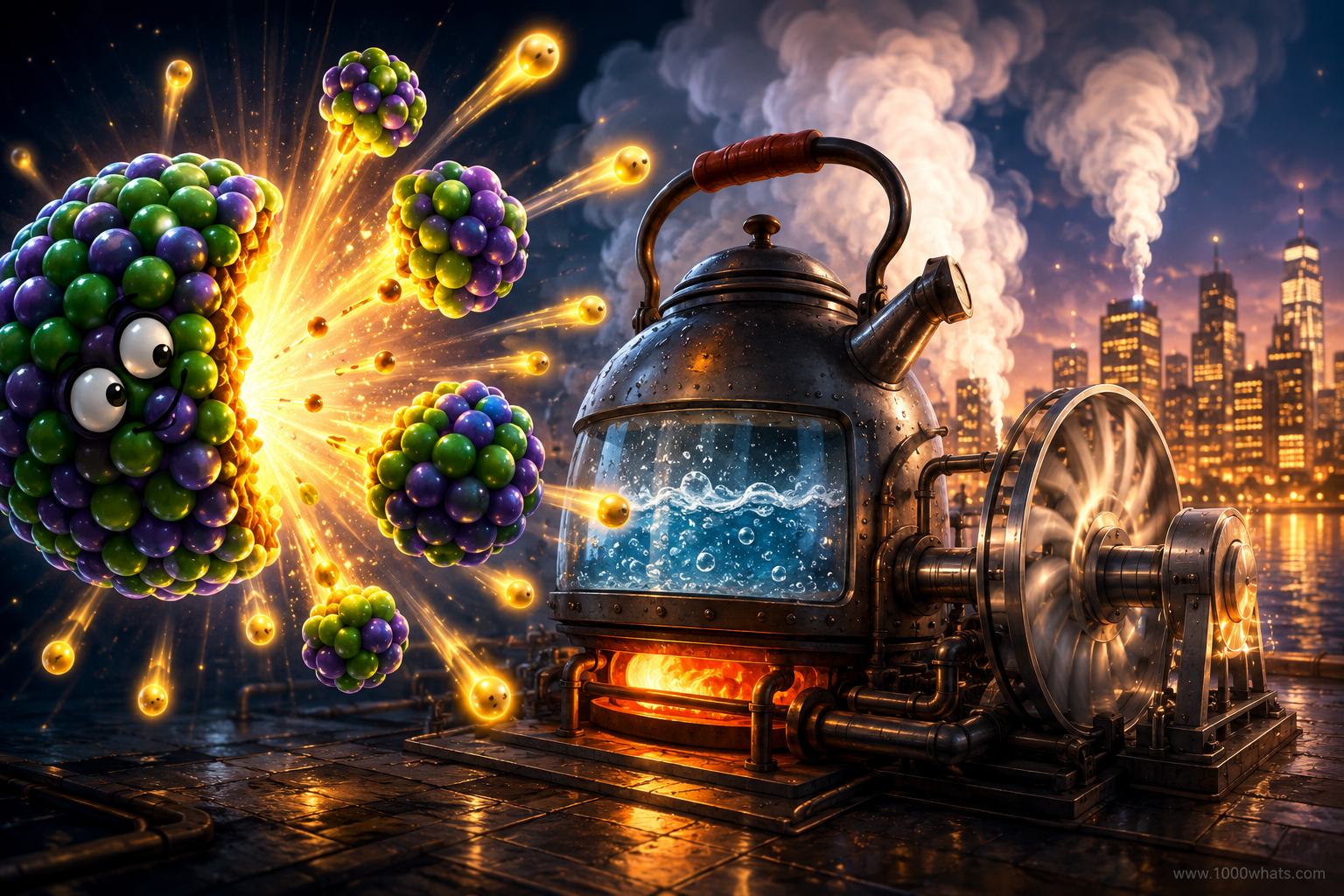
Featured illustration of nuclear fision showing an atom splitting and releasing energy next to a boiler, steam system, and turbine generator producing electricity.

Nuclear fission sounds like the kind of thing you should only discuss in a bunker with three physicists and a lockbox. It is actually much simpler than that. Split a heavy atom, collect the heat, boil water, spin a turbine, make electricity. Here’s what nuclear fission is, why it exists, how it works, where it shows up in real life, and why it matters more right now than a lot of people realize.

What is nuclear fusion — and are we finally close?

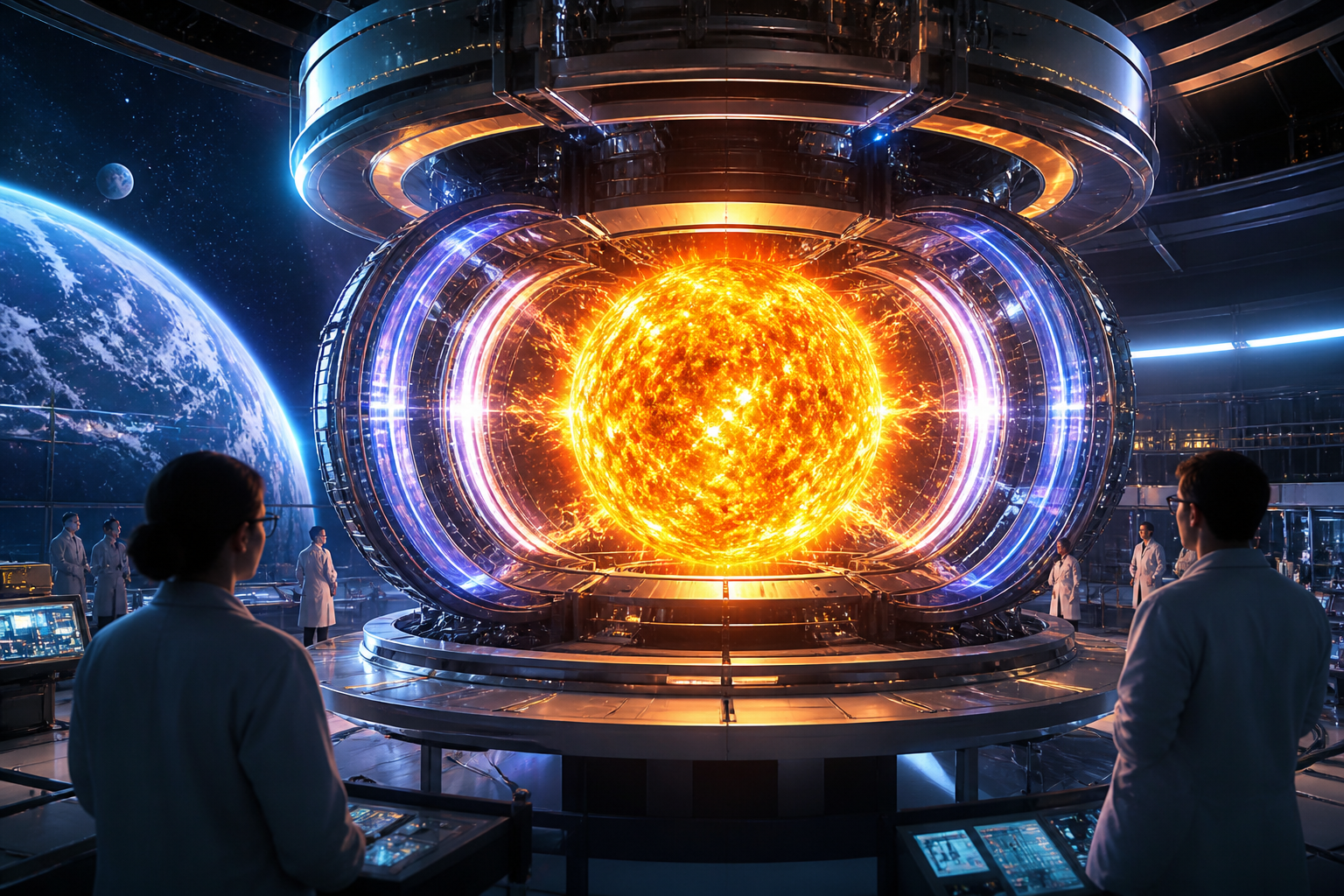
A glowing artificial sun inside a futuristic reactor, representing nuclear fusion and the attempt to create star-like energy on Earth.

Nuclear fusion is the dream machine of energy: no smokestack, no coal train, no ordinary reactor fuel rods, just light atoms squeezed so hard they snap together and spill out astonishing energy. The twist is that fusion is both real and not ready. Scientists have crossed major milestones, but a lab triumph is not the same thing as cheap electricity on your wall socket. Here’s the simple version, without the fog.