Carbon Emissions

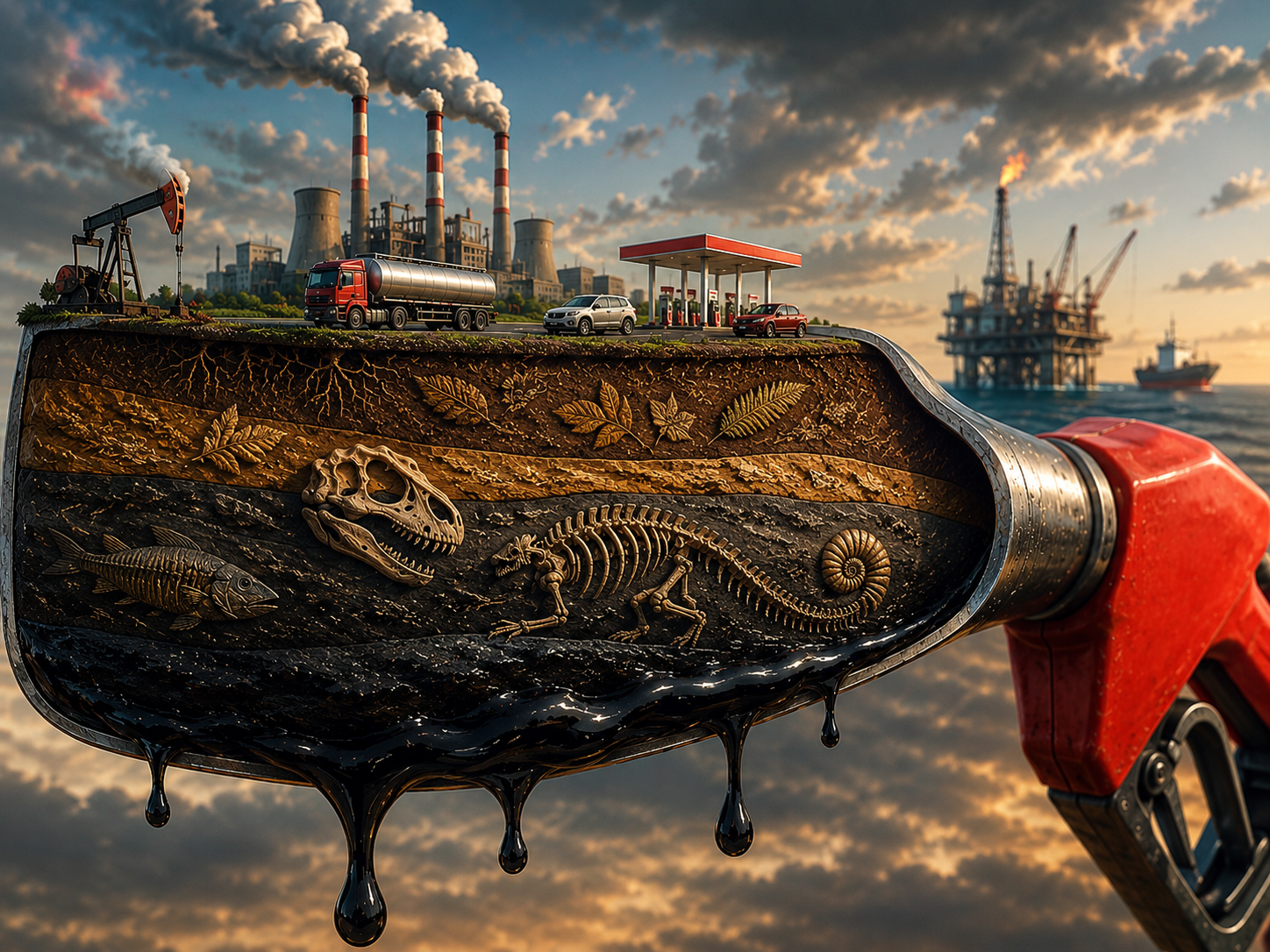
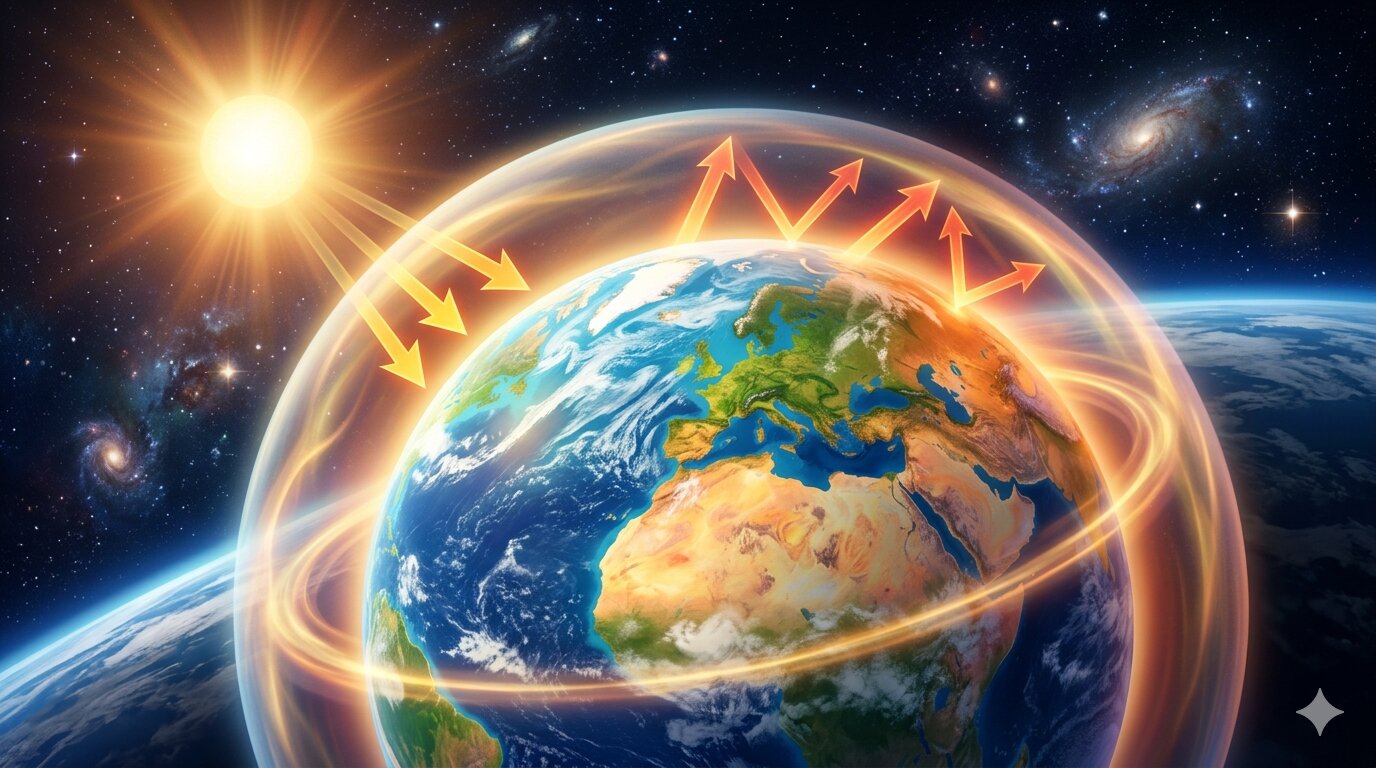
Carbon emissions come from burning fossil fuels—fueling climate change. Cutting them is key to protecting our planet’s future. 🌍💨

What is methane leakage? When natural gas escapes before anyone burns it
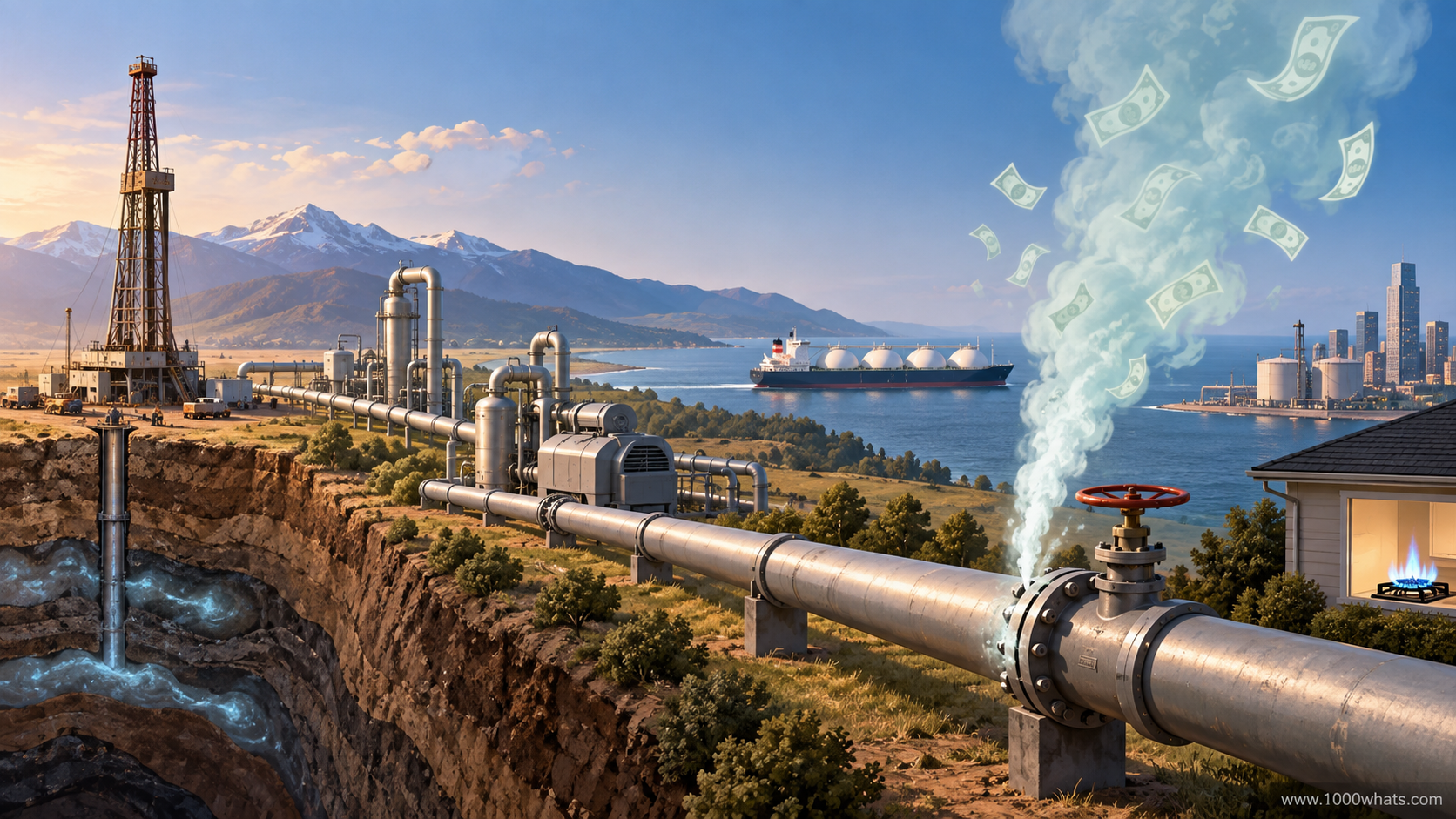
Natural gas infrastructure with a pipeline methane leak, LNG ship and gas production facilities illustrating methane leakage across the gas supply chain.

Natural gas is mostly methane. Burn it, and the main climate problem is CO₂. Let it escape before combustion, and you release methane itself—a greenhouse gas far more powerful over the near term. That means a leaking valve, an open vent, a badly performing flare, or an abandoned well can change the climate footprint of gas before the fuel has produced a single useful kilowatt-hour.

What is the formula for a carbon footprint? How to actually calculate it without melting your brain

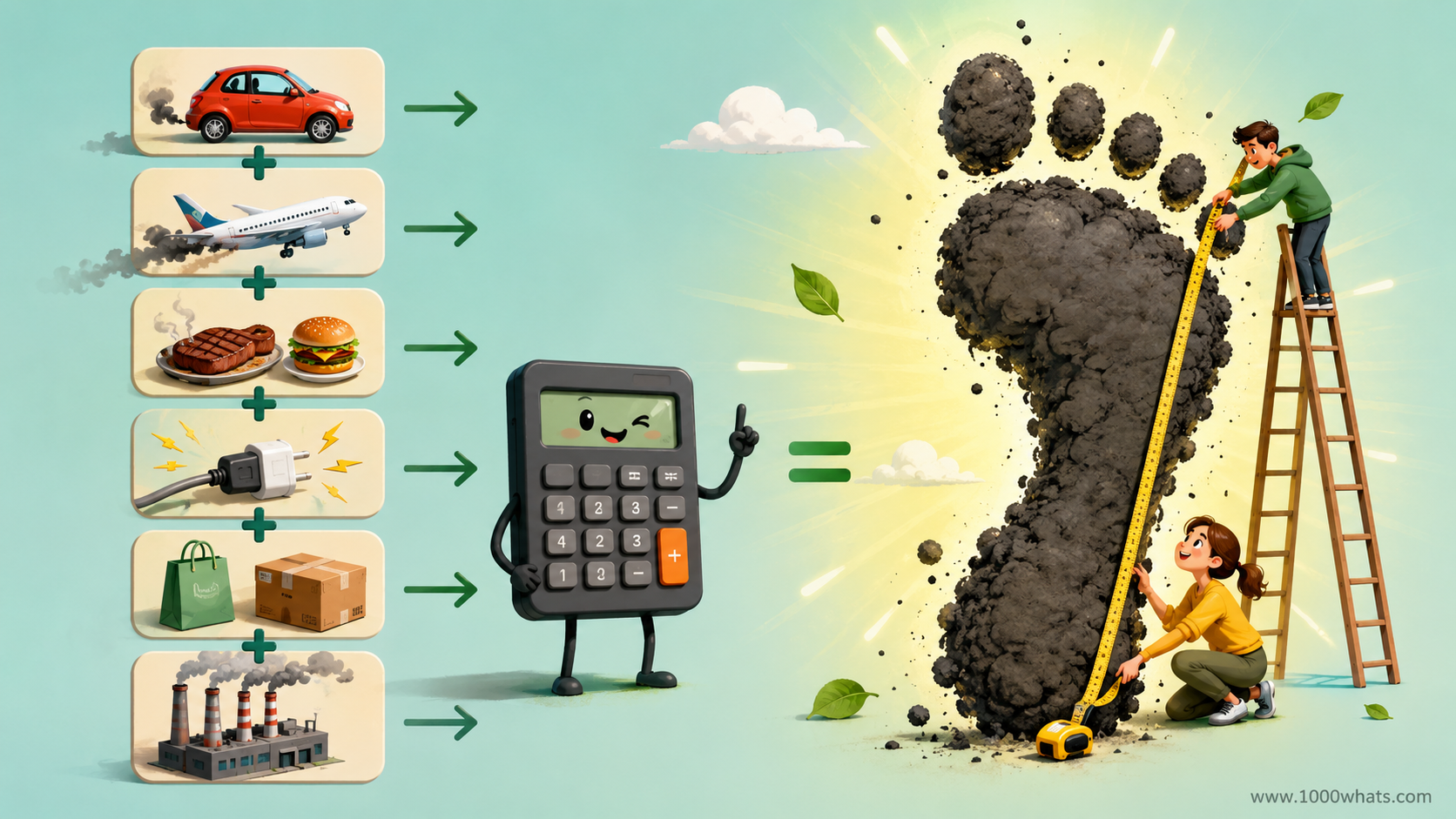
Witty carbon footprint calculation illustration showing emission sources feeding into a cartoon calculator and resulting in a large smoky footprint being measured.

A carbon footprint is usually calculated with one deceptively simple idea: activity data × emission factor. In plain English, that means you measure what you did—like using electricity, driving miles, or burning fuel—and multiply it by the amount of greenhouse gas linked to each unit of that activity. Add everything together, convert it into CO₂e, and you’ve got your footprint.

What is CBAM? The carbon border rule quietly rewriting European trade

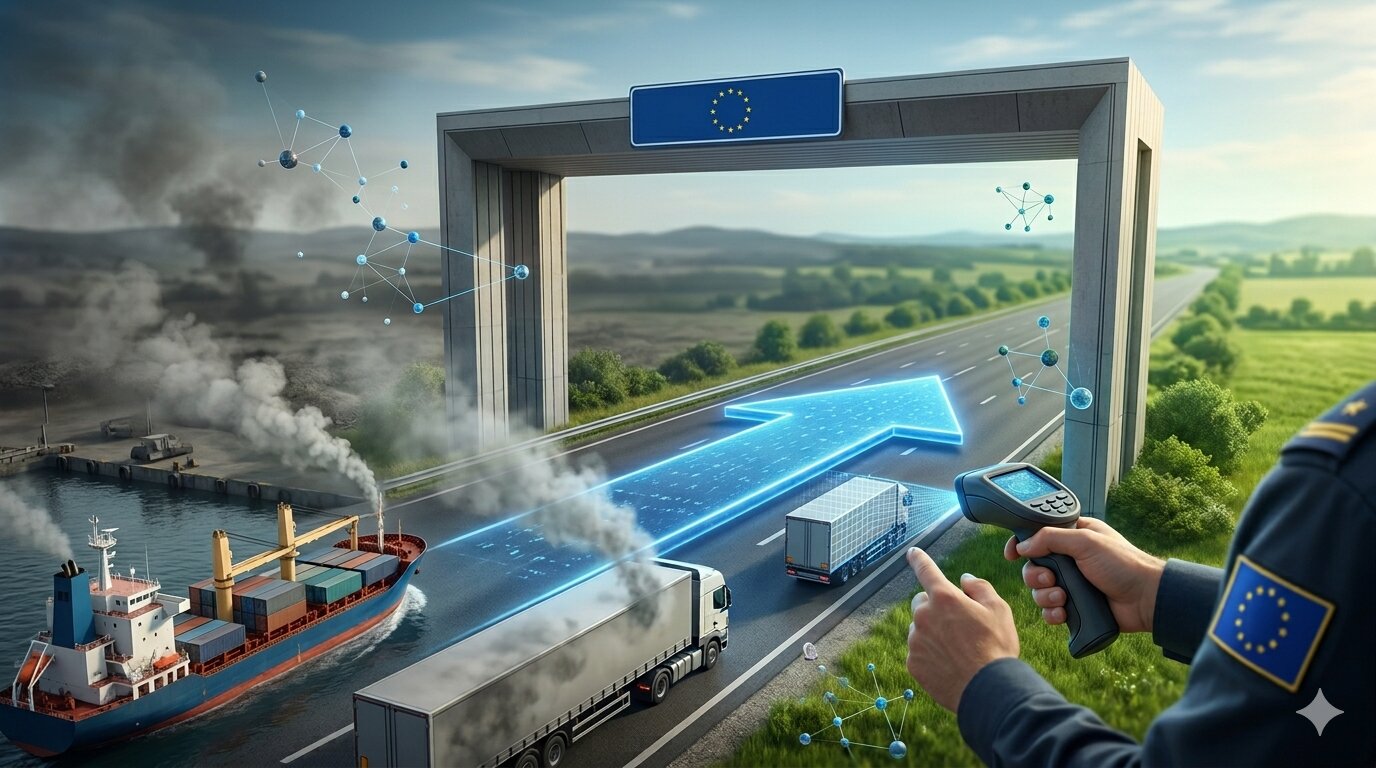
Digital illustration of CBAM at the EU border, with trucks and a cargo ship emitting smoke while imports are scanned for carbon emissions before entering the European market.

CBAM is no longer some Brussels acronym floating above the real economy. Since January 1, 2026, the EU’s Carbon Border Adjustment Mechanism has moved into its definitive phase, putting carbon costs on certain imports and changing the math for exporters, industrial buyers, and electricity traders alike. Here’s what CBAM is, why it exists, how it works, and why the Western Balkans should be paying very close attention.