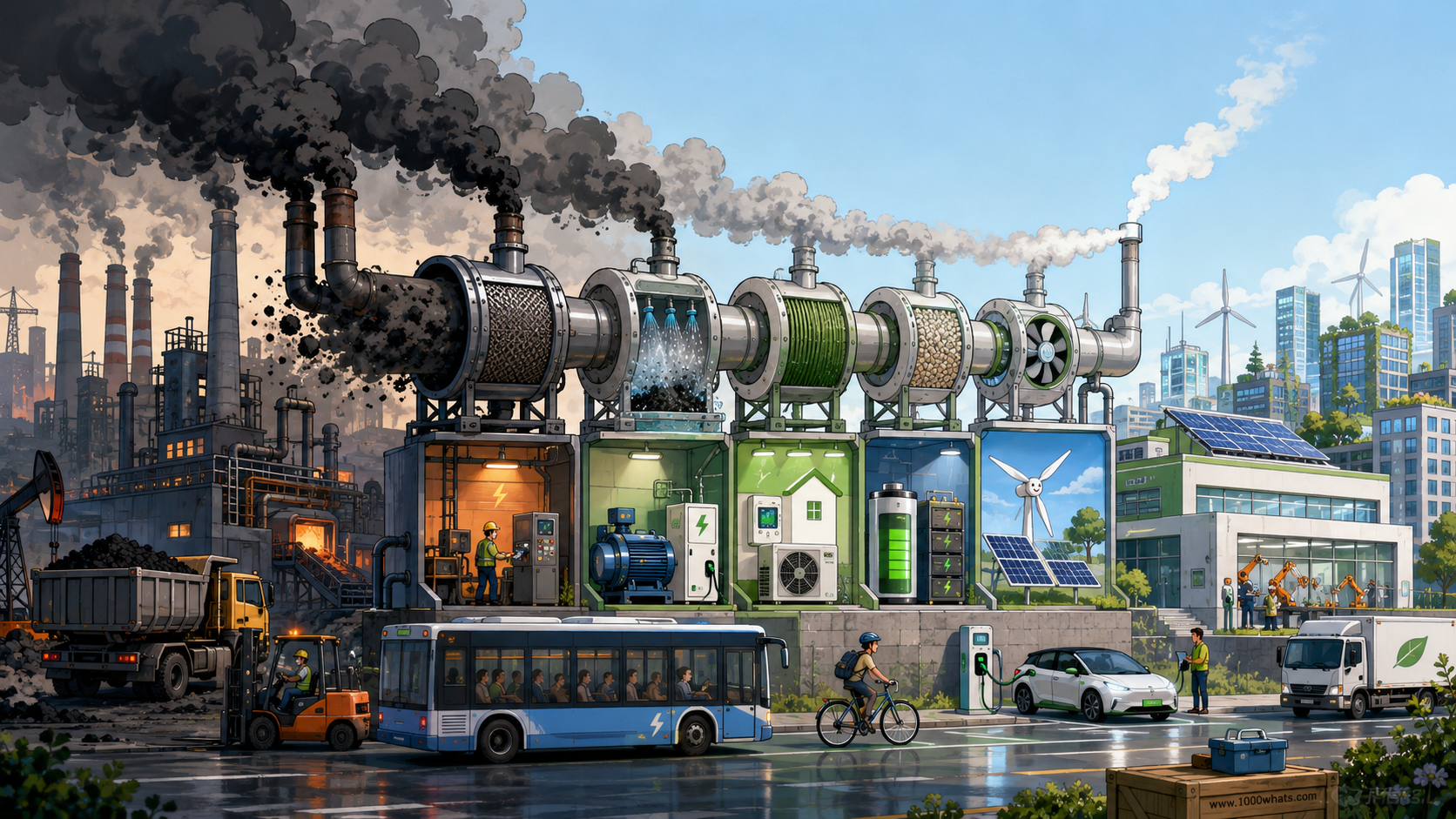
The weirdest thing about decarbonization is that almost none of it looks like carbon.
It looks like a transmission line.
A heat pump.
A wind turbine spinning somewhere you’ll never visit.
A factory replacing a gas furnace.
An EV charger in a supermarket parking lot.
A steel plant experimenting with hydrogen.
A banker staring suspiciously at a renewable-energy spreadsheet.
And occasionally, yes, a very expensive machine trying to catch CO₂ before it escapes up a smokestack.
All of these things belong to the same enormous project: reducing the amount of carbon dioxide we release while keeping modern life running.
That project is called decarbonization.
And despite sounding like something invented during a particularly dull climate conference, it may be one of the biggest industrial transformations humanity has ever attempted.
⚡ “Decarbonization is not about making energy disappear. It is about removing carbon from the way we produce and use it.”
So, what exactly are we decarbonizing? How does it work? Is it the same as net zero? And why does replacing a coal plant suddenly involve grids, batteries, hydrogen, regulation, workers, investors, and enough paperwork to flatten a small elephant?
Welcome to 1000whats.
Let’s remove the carbon without removing the fun.
What is decarbonization?
At its simplest:
Decarbonization is the process of reducing carbon dioxide emissions from an activity, sector, company, economy, or energy system.
Most of those emissions come from burning fossil fuels such as coal, oil, and natural gas.
So the basic mission sounds almost suspiciously easy:
Burn less carbon. Emit less CO₂.
Done.
Except civilization currently uses fossil fuels for electricity, heating, transportation, industrial heat, steel, chemicals, shipping, aviation, and a spectacular number of things we barely notice until somebody tries to replace them.
That is where decarbonization stops being a slogan and becomes engineering.
In climate policy, the word is also frequently used more broadly for reducing greenhouse-gas emissions, even though decarbonization literally points to carbon dioxide. The wider transformation can therefore include cutting methane and other greenhouse gases as well. The IEA’s current net-zero framework, for example, combines clean-energy electrification, energy efficiency, low-emissions fuels, and methane abatement.
Think of it this way:
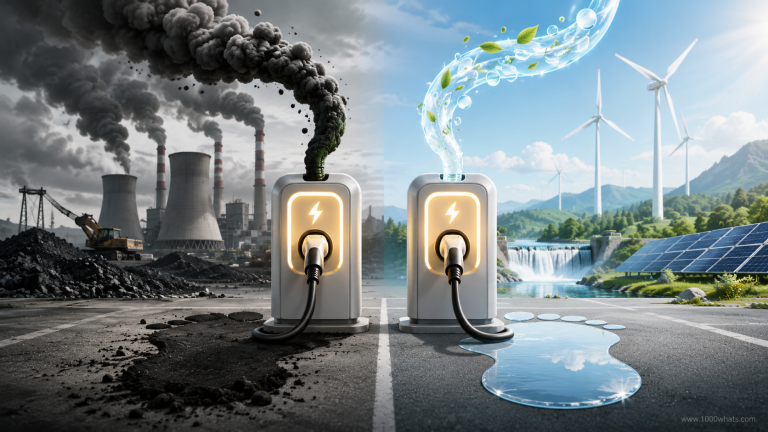
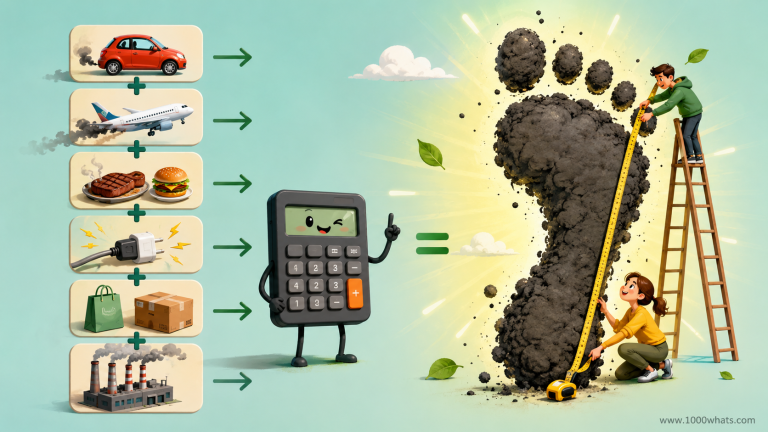
If your carbon footprint tells you where the emissions are, decarbonization is what you do about them.
⚡ “A carbon footprint is the map. Decarbonization is the road trip.”
Why does decarbonization exist?
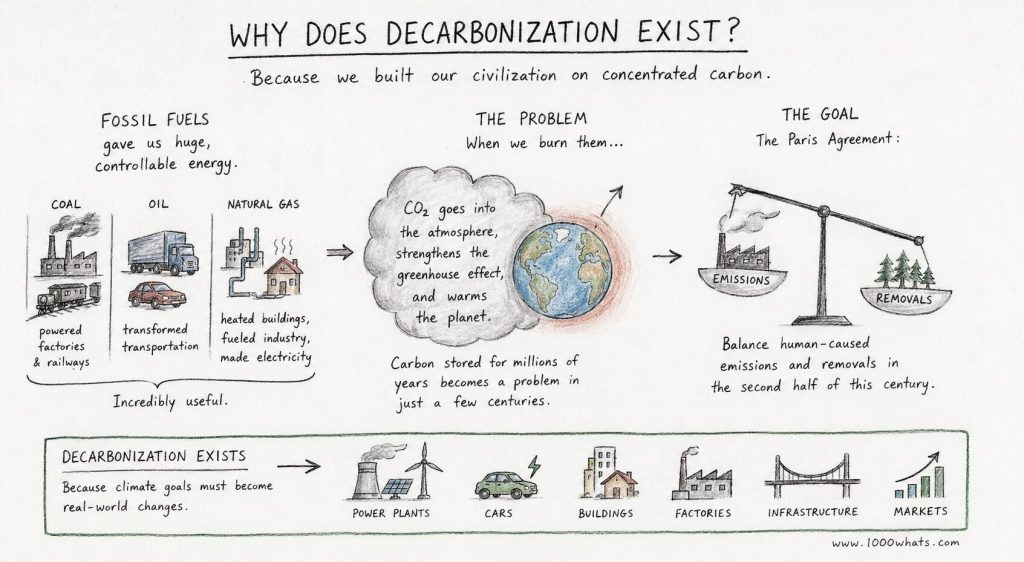
Because we built an astonishing civilization on concentrated carbon.
And concentrated carbon turned out to have a rather inconvenient side effect.
For more than two centuries, fossil fuels gave us something humanity desperately wanted: huge amounts of controllable energy.
Coal powered factories and railways.
Oil transformed transportation.
Natural gas heated buildings, fueled industry, and became a major source of electricity.
Fossil fuels were not adopted because previous generations enjoyed atmospheric chemistry. They were adopted because they were incredibly useful.
The problem appears when we burn them.
Carbon that spent geological ages underground combines with oxygen and becomes CO₂. That CO₂ accumulates in the atmosphere, strengthening the greenhouse effect and contributing to global warming.
That is why climate mitigation eventually collides with the energy system.
You cannot deeply cut emissions while leaving the machinery that creates them untouched.
The Paris Agreement ultimately aims for a balance between human-caused greenhouse-gas emissions and removals in the second half of this century. Getting anywhere near that balance requires enormous reductions first.
And that brings us to decarbonization.
It exists because climate goals have to become physical changes in power plants, cars, buildings, factories, infrastructure, and markets.
Is decarbonization the same as net zero?
No.
They are close relatives. They are not twins.
Decarbonization is the process.
Net zero is the destination.
Imagine you have a bathtub with the faucet running.
Every tonne of greenhouse gas entering the atmosphere is more water.
Decarbonization means turning down that faucet: cleaner electricity, lower fuel use, electrification, efficiency, cleaner industry.
Net zero means eventually getting inflows and removals into balance so the tub stops filling.
That distinction matters.
A company can be decarbonizing without being net zero.
A country can reduce emissions dramatically and still have residual emissions.
And a serious net-zero strategy should rely mainly on deep emissions cuts, not on cheerfully continuing to emit and promising somebody will plant enough trees later.
Your existing net-zero explainer goes deeper into that particular bathtub.
What about the energy transition?
Another cousin.
The energy transition describes the broader transformation of the energy system: technologies, fuels, infrastructure, markets, regulations, consumers, and business models changing over time.
Decarbonization is one of its central objectives.
But the energy transition also has to worry about things climate charts sometimes forget:
- reliability
- affordability
- energy security
- jobs
- industrial competitiveness
- grid stability
- investment
- political reality
That is why the energy trilemma matters.
A beautiful zero-carbon electricity system that cannot keep the lights on is not much of an electricity system.
A perfectly reliable transition that nobody can afford is not going to stay politically popular either.
Real decarbonization happens inside those trade-offs.
How does decarbonization actually work?
Forget the thousand-page strategy document.
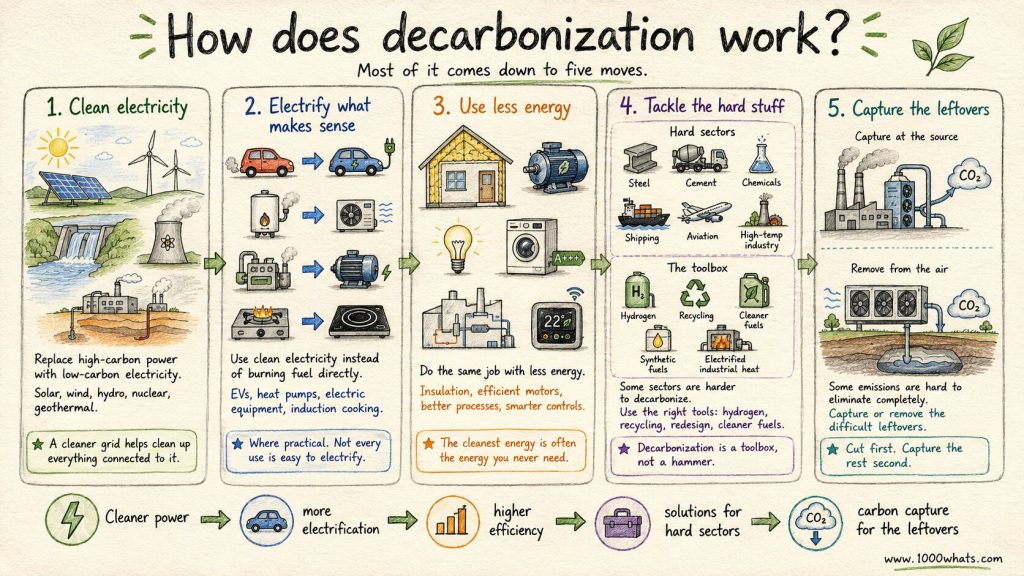
Most decarbonization ultimately comes down to a handful of moves.
1. Make electricity cleaner
This is the obvious one.
Replace high-carbon electricity generation with low-carbon sources such as:
- solar power
- wind power
- hydropower
- nuclear power
- geothermal energy
- other low-emissions technologies
Why start with electricity?
Because once electricity gets cleaner, we can use it to decarbonize other things.
A gasoline car becomes an EV.
A gas boiler becomes a heat pump.
A fossil-fired industrial process may become an electric one.
Suddenly, cleaning up the grid starts cleaning up everything connected to it.
That is why power-sector decarbonization is such a big deal.
2. Electrify everything that makes sense
There is a beautiful efficiency hiding inside electrification.
Instead of burning fuel separately in millions of cars, boilers, and machines, we increasingly move energy through electricity and use technologies that are often more efficient at the final job.
Examples include:
- internal-combustion cars → electric vehicles
- gas heating → heat pumps
- fossil-fuel industrial equipment → electric equipment
- gas cooking → induction
- diesel machinery → electric machinery where practical
Notice the phrase where practical.
Decarbonization gets silly when people treat one technology like a religion.
Some applications electrify beautifully.
Others are much harder.
Long-distance aviation is not eagerly waiting for somebody to install a 300-kilometer extension cord.
3. Use less energy to do the same job
This part is tragically unsexy.
No heroic turbine.
No futuristic molecule.
Just efficiency.
Better insulation.
Better motors.
Better industrial processes.
Better appliances.
Less wasted heat.
Smarter controls.
And yet efficiency can remove enormous amounts of energy demand before we even have to figure out how to supply it cleanly.
The IEA’s updated net-zero roadmap found that renewables, efficiency improvements, methane reductions, and electrification using technologies already available can provide more than 80% of the emissions reductions needed by 2030 in its pathway.
In practice, the cleanest megawatt-hour is often the one you never needed to generate.
4. Find cleaner solutions for the stubborn stuff
And now we reach the troublesome part of the family.
Steel.
Cement.
Chemicals.
Shipping.
Aviation.
High-temperature industrial heat.
Some processes cannot simply swap a fossil-fuel burner for a plug and call it Tuesday.
That is where technologies such as green hydrogen become interesting.
Hydrogen can act as a chemical feedstock or energy carrier where direct electrification becomes awkward. In steelmaking, for example, it may help replace the coal traditionally used to remove oxygen from iron ore—one reason green steel has become such an important industrial decarbonization story.
Other hard-to-abate sectors may rely on:
- alternative materials
- recycling
- process redesign
- low-emissions fuels
- bioenergy in specific applications
- hydrogen derivatives
- synthetic fuels
- electrified industrial heat
The trick is matching the tool to the problem.
Decarbonization is a toolbox, not a hammer.
5. Capture or remove the emissions we genuinely cannot eliminate
Eventually, you reach the leftovers.
Certain industrial processes can produce CO₂ even when the energy supply itself is clean. Cement is the classic example: part of its carbon problem comes from chemistry, not just fuel.
That is where carbon capture enters the conversation.
Carbon capture can prevent some CO₂ from entering the atmosphere at industrial facilities, while carbon removal aims to take CO₂ back out after it is already there.
The IEA includes carbon capture alongside electrification, hydrogen, efficiency, and other technologies as part of the portfolio for deep emissions reductions in hard-to-abate sectors.
But there is an important order of operations here:
Cut what you can first. Capture or remove the genuinely difficult leftovers second.
Otherwise carbon capture risks becoming less “climate solution” and more “permission slip to avoid changing anything.”
How do different sectors decarbonize?
This is where the story gets interesting.
There is no universal decarbonization button.
Every sector has its own mess.
Electricity: clean the source
Power is the strategic starting point.
You retire or reduce high-carbon generation, build more low-carbon generation, strengthen transmission, add flexibility, and connect new resources.
Simple.
Except then somebody notices that intermittent renewable energy produces when nature feels like it.
So you need:
- stronger transmission
- flexible demand
- interconnections
- dispatchable resources
- forecasting
- battery storage
- smarter system operation
And then you discover grid congestion.
Welcome to energy.
What most people don’t see is that building the clean generator is increasingly only half the job. You also need a network capable of moving and balancing its electricity.
Transport: stop carrying a tiny fire everywhere
A conventional car is basically a machine that carries flammable liquid around and creates thousands of controlled explosions to move you to the grocery store.
Remarkable engineering.
Slightly dramatic.
Decarbonizing road transport increasingly means electrification, paired with cleaner electricity.
For heavier transport, shipping, and aviation, the answer becomes less tidy. Batteries, hydrogen, low-emissions fuels, efficiency, better logistics, rail, and behavioral changes may all play roles.
Different problem.
Different toolbox.
Buildings: attack the quiet emissions
Buildings do not look like climate infrastructure.
They just sit there.
Suspiciously.
But heating, cooling, hot water, and electricity use add up.
Decarbonizing buildings can involve:
- insulation
- efficient windows
- heat pumps
- district heating
- efficient appliances
- smart controls
- rooftop solar
- cleaner electricity
The glamorous climate revolution may therefore include somebody crawling into your attic with insulation.
History can be cruel to marketers.
Industry: where decarbonization earns its salary
Industry is where the easy slogans go to die.
A steel mill or cement plant cannot be transformed like a household lightbulb.
Industrial assets are enormous.
They are expensive.
They can operate for decades.
Processes depend on specific temperatures, chemistries, feedstocks, and supply chains.
Replacing them requires engineering, capital, infrastructure, reliable clean-energy supplies, and often customers willing to pay for cleaner products.
This is why green steel is so revealing.
The problem is not just inventing a cleaner steelmaking process.
You may also need renewable electricity, transmission, electrolyzers, hydrogen storage, new production equipment, certification, financing, and buyers.
That is decarbonization in practice:
one carbon problem turns into seven infrastructure projects wearing a trench coat.
A real-world example: Britain and coal
For most of modern industrial history, Britain and coal were practically inseparable.
Coal helped launch the Industrial Revolution.
Then, in September 2024, Britain’s last coal-fired power station at Ratcliffe-on-Soar stopped generating.
According to the UK government’s 2026 official electricity statistics, 2025 became the first full year in the published series with no coal-fired electricity generation.
That is decarbonization in a form you can almost touch.
But notice what did not happen.
Britain did not simply unplug coal one afternoon and hope the kettle still worked.
Other generation had to grow.
Networks had to adapt.
Markets had to change.
Reliability still had to be maintained.
Investors had to build alternatives.
Workers and communities had to deal with the consequences of an industry disappearing.
The power plant closing gets the photograph.
The decades of system change behind it are the actual story.
Why regulation and money matter as much as technology
Here is one of the great climate myths:
“We already have the technology, so why don’t we just build it?”
Because a wind turbine does not wake up one morning, apply for a permit, negotiate a grid connection, secure debt financing, sign a power contract, and pour its own foundation.
Projects need systems around them.
That includes energy regulation, planning rules, electricity markets, grid codes, environmental permits, incentives, carbon policy, and financing.
And money cares about risk.
A renewable project may need an offtake agreement before lenders feel comfortable financing it.
Developers still have to survive the six stages of renewable project development.
Investors compare technologies using metrics such as LCOE.
Governments use climate policy to alter the economics.
That is why decarbonization is simultaneously:
- a technology challenge
- an infrastructure challenge
- a financing challenge
- a regulatory challenge
- a market-design challenge
- a political challenge
Anyone selling it as merely “more solar panels” has skipped several chapters.
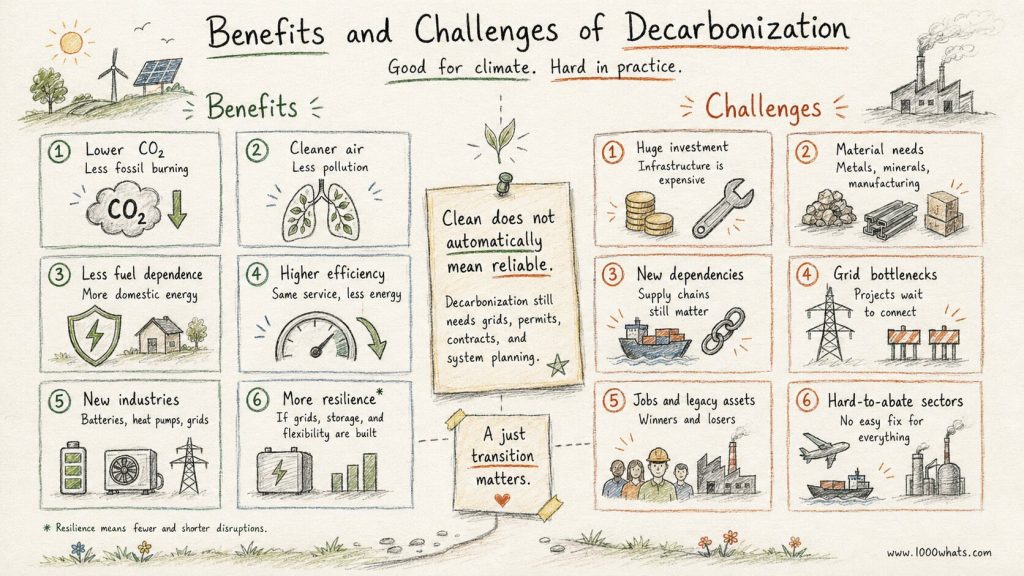
What are the benefits of decarbonization?
The obvious one is climate.
But the story is wider.
Lower greenhouse-gas emissions
Yes, the headline objective.
Less fossil-fuel combustion generally means lower CO₂ emissions.
Cleaner air
Reducing combustion can also reduce conventional air pollution depending on the technology being displaced.
Lower fuel dependence
Domestic renewable electricity can reduce exposure to imported fossil fuels and geopolitical fuel shocks.
Higher efficiency
Electrification and efficiency can reduce the amount of primary energy required to provide the same services.
New industries
Batteries, grid equipment, heat pumps, renewable generation, low-carbon materials, hydrogen technologies, and digital energy systems all create new markets.
More resilient energy systems—if designed properly
Diverse supply, stronger grids, storage, distributed generation, and demand flexibility can strengthen resilience.
That if designed properly is doing some heavy lifting.
Clean does not automatically mean reliable.
Engineering is still invited to the meeting.
What are the downsides and challenges?
Oh, there are plenty.
Anyone telling you decarbonization is painless is probably trying to sell you something.
It requires gigantic investment
Power plants, grids, charging networks, factories, heating systems, industrial equipment, and infrastructure do not replace themselves for free.
Clean-energy infrastructure still needs materials
Wind turbines need metals.
Transmission lines need copper and aluminum.
Batteries need minerals.
Solar panels need manufacturing capacity.
Moving away from fossil-fuel dependence can create new supply-chain dependencies.
The grid can become the bottleneck
You can build a fantastic wind farm and still spend years waiting to connect it.
As the grid congestion problem shows, generation can move faster than networks.
⚡ “The next phase of decarbonization may be won less by glamorous technology than by boring excellence in grids, permits, contracts, and system planning.”
Existing assets do not vanish politely
Coal mines employ people.
Refineries support towns.
Gas networks represent billions in infrastructure.
Factories are built around existing processes.
Transitioning away from them creates winners and losers.
That is why a just transition matters.
Climate policy that treats communities as disposable spare parts eventually creates political resistance—and political resistance can slow the transition itself.
Some sectors remain genuinely difficult
There is no magical zero-carbon replacement ready for every application at every price.
Anyone claiming otherwise has discovered either revolutionary physics or PowerPoint.
So is decarbonization good or bad?
That question is almost too simple.
The better question is:
Compared with what?
Continuing to rely heavily on fossil fuels comes with climate risks, pollution, fuel-price exposure, geopolitical dependencies, and the possibility of locking more high-carbon infrastructure into the future.
Rapid decarbonization comes with capital costs, infrastructure pressure, industrial disruption, land-use arguments, mineral demand, and political trade-offs.
There is no magical road where civilization gets abundant energy, zero emissions, no infrastructure, no mines, no transmission lines, no costs, and unanimous applause.
That road is called Fantasy Boulevard.
From a market perspective, the serious challenge is not whether the world should become lower-carbon.
It is how to do it without sacrificing the reliability, affordability, and economic usefulness that made modern energy systems valuable in the first place.
Can individuals contribute to decarbonization?
Yes.
But please do not turn this into a guilt Olympics.
Your personal decisions matter.
Your systems matter more.
Useful actions can include:
- using less energy where it genuinely saves waste
- improving home efficiency
- switching to cleaner heating where practical
- choosing electric transport where it fits
- installing rooftop solar where economics and regulations work
- becoming an electricity prosumer
- buying lower-carbon products
- supporting sensible infrastructure and climate policy
But an individual cannot personally decarbonize a steel mill, rebuild a transmission network, or rewrite an electricity market.
That requires companies, utilities, investors, regulators, governments, and infrastructure developers.
Personal choices are part of the machine.
They are not the entire machine.
Why decarbonization matters today
Because the conversation has moved.
Ten or fifteen years ago, much of the clean-energy debate sounded like:
Can this technology work?
Increasingly, the question is:
Can we deploy it fast enough, finance it, connect it, integrate it, and keep the system affordable while doing so?
That is a very different phase of the story.
Solar and wind are no longer strange experiments.
EVs are no longer science-fiction props.
Batteries have become serious grid assets.
Hydrogen is being tested for some of the hard jobs.
Industrial buyers are starting to care about embedded carbon.
Carbon policy is entering trade through tools such as border adjustments.
The transition is moving from invention toward implementation.
And implementation is where things get messy.
What most people don’t see is that decarbonization is not a single technological revolution. It is thousands of smaller revolutions that have to cooperate.
The solar project needs the grid.
The grid needs storage and flexibility.
The EV needs clean electricity.
Green hydrogen needs enormous amounts of clean electricity.
Green steel needs hydrogen, infrastructure, and buyers.
The buyer needs reliable carbon accounting.
The project needs financing.
Financing needs contracts.
Contracts live inside regulation.
And suddenly one little word—decarbonization—contains half the modern economy.
Final thoughts
Decarbonization sounds sterile.
It isn’t.
It is the deeply physical process of taking carbon out of the machinery behind modern life.
Not all carbon.
Not instantly.
And definitely not without arguments.
It means replacing technologies that worked extremely well for a very long time with systems that must work just as well—only with dramatically fewer emissions.
That is a rude engineering assignment.
But it is also what makes the energy transition fascinating.
My view is that the biggest mistake is treating decarbonization as either a heroic green crusade or an economic apocalypse.
It is neither.
It is an industrial transition.
Some parts will move quickly.
Some will fail.
Some technologies will be overhyped.
Some boring technologies will quietly change everything.
And the winners will probably be the countries and companies that stop arguing about slogans long enough to build the actual systems.
So, where do you think the toughest decarbonization battle will be: electricity, transport, buildings, heavy industry—or somewhere nobody is paying enough attention to yet?
Until next time, stay curious! 😎
Discover more from 1000whats
Subscribe to get the latest posts sent to your email.