Bratislav Dzombic

Bratislav Dzombic

What is LNG? How natural gas learned to cross an ocean
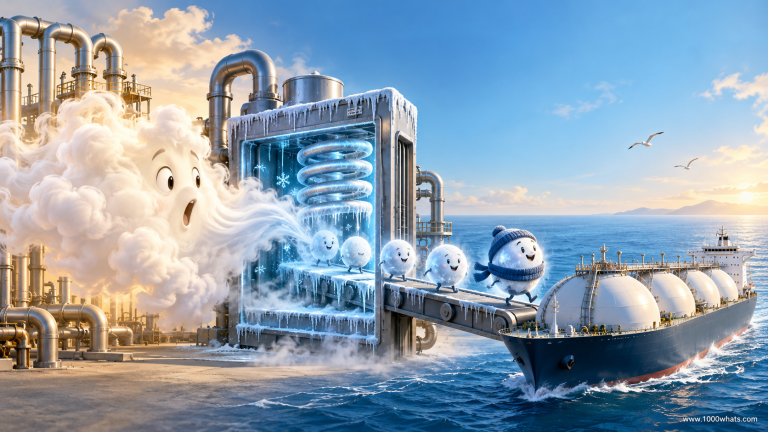
Featured image showing natural gas being cooled into LNG and transported by an LNG carrier across the sea.

Natural gas has one awkward physical problem: as a gas, it takes up an enormous amount of space. LNG solves that by cooling natural gas to around −162°C, shrinking its volume roughly 600 times and turning a pipeline-bound fuel into something that can cross oceans on ships. That simple phase change quietly transformed natural gas from a regional commodity into a global one.
What are e-fuels? Turning electricity back into something you can burn

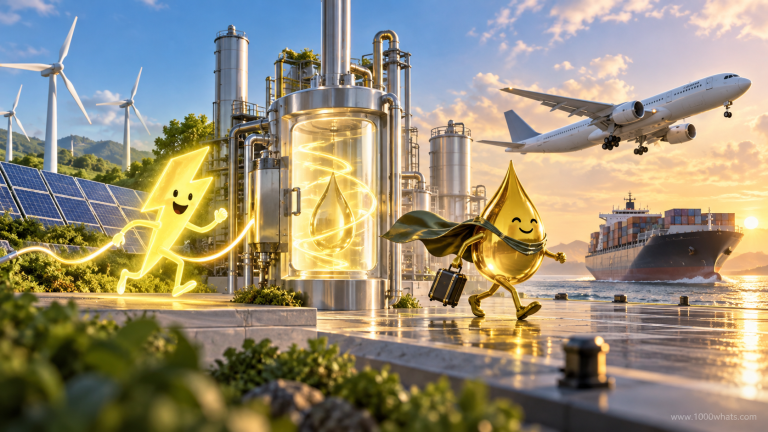
Featured image showing renewable electricity being turned into an e-fuel droplet at a clean fuel plant, with wind, solar, an airplane, and a cargo ship nearby.

E-fuels do something wonderfully inefficient—and potentially very useful. They take renewable electricity, use it to make hydrogen, combine that hydrogen with captured carbon, and rebuild familiar fuels such as kerosene, methanol, or synthetic diesel. Why bother turning electricity into fuel instead of simply using the electricity? Because some machines are much easier to decarbonize with molecules than electrons.

What is geothermal energy? The renewable power plant hiding under your feet

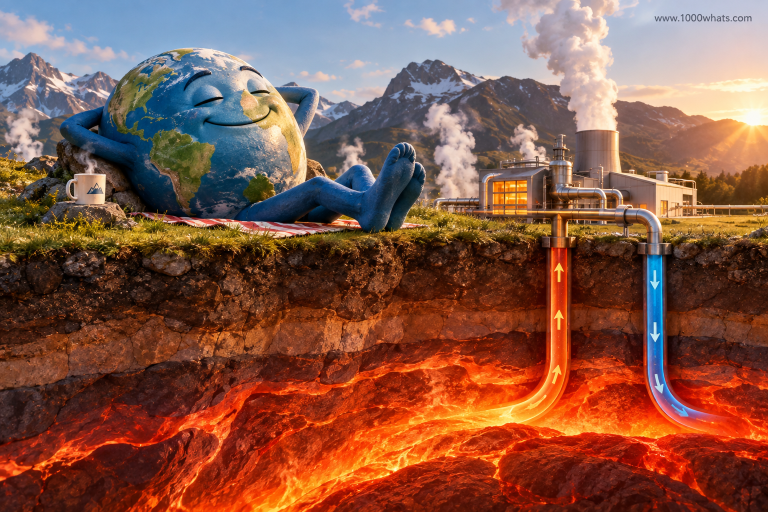
Illustration of Earth resting beside a geothermal power plant with wells carrying hot and cool water through underground heat.

The Earth is hot beneath our feet—hot enough in the right places to heat cities and generate electricity around the clock. Geothermal energy taps that underground heat, but the real story is more interesting than “find a volcano and drill.” New drilling technologies may be turning one of renewable energy’s most geographically limited resources into something much bigger.