Bratislav Dzombic

Bratislav Dzombic

What is heat? The energy that refuses to sit still

Digital heat illustration showing a steaming mug transferring heat toward a cold ice cube, demonstrating heat flow from hot to cold.

Heat is everywhere—from your morning coffee and electric kettle to power plants, weather systems, factories, and the warming planet. But here’s the twist: heat isn’t actually something an object “contains.” It’s energy on the move. Let’s unpack what heat really is, how it travels, why temperature isn’t the same thing, and why this invisible energy transfer sits at the center of the modern energy system.

What is Commercial Operation Date (COD): The one date that can make—or break—an energy project

Witty Commercial Operation Date (COD) featured image showing a smiling calendar at a renewable energy project site with construction, solar panels, wind turbines, and financial growth.

Commercial Operation Date (COD) is the moment an energy project stops being a construction story and starts becoming a business. But behind that innocent-looking date sit performance tests, grid approvals, PPAs, lenders, penalties, warranties, and millions of dollars. Here’s what COD really means—and why the entire project team obsesses over it.

What is the Duck Curve? When solar power collides with peak electricity demand

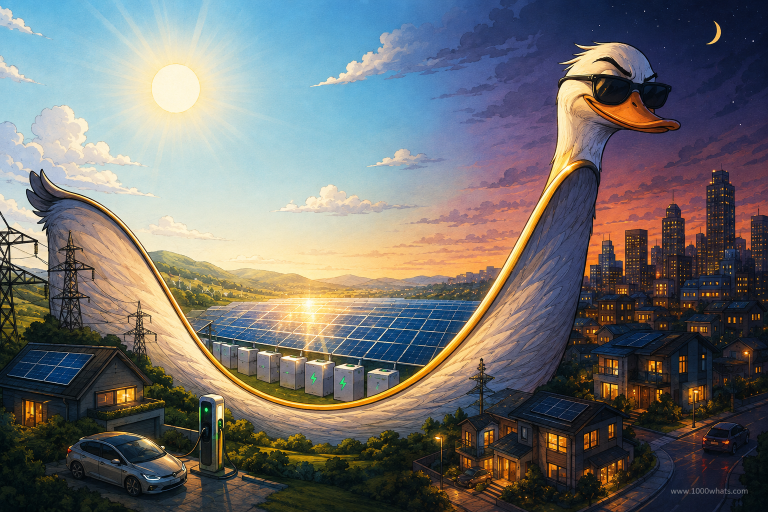
Witty featured image of the duck curve showing a giant duck-shaped figure over solar panels, batteries, homes, and an evening city skyline.

Solar power can become so abundant in the middle of the day that it creates a completely different problem for the electricity grid: too much power at noon, then a frantic scramble for electricity after sunset. That strange pattern is called the duck curve. Here’s what it is, why it happens, and why batteries, EVs, flexible demand, and smarter grids may finally teach the duck some manners.