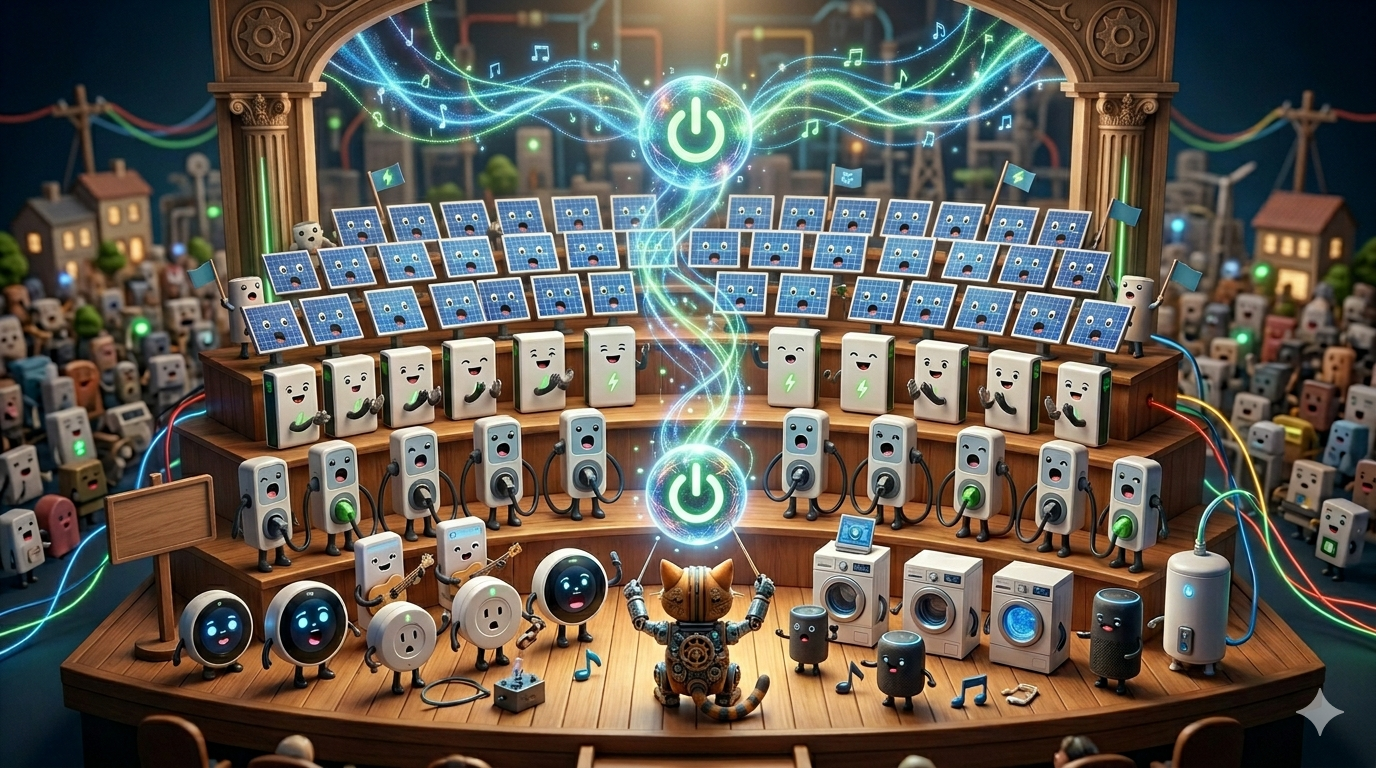
Demand Response

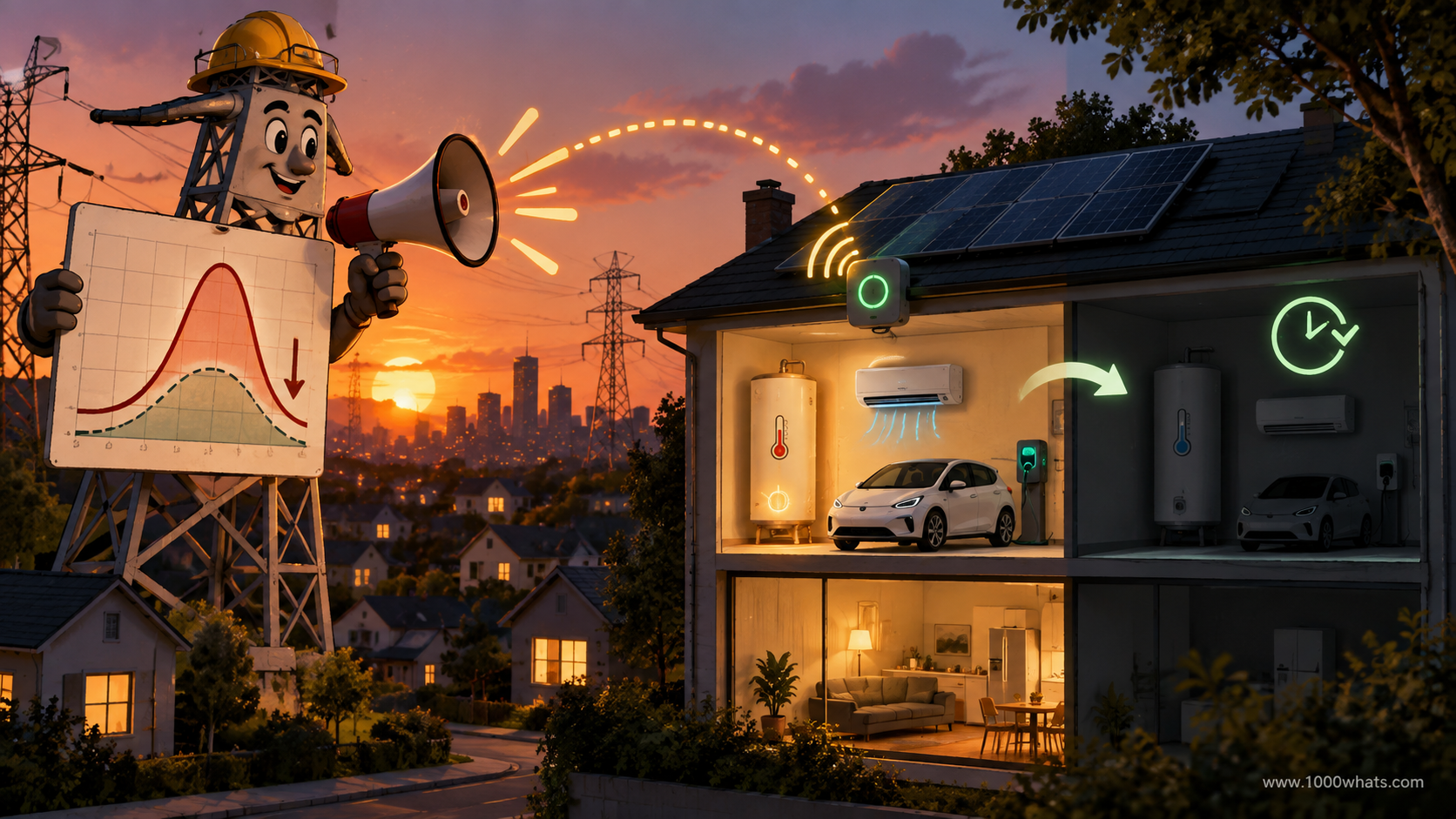
Understand demand response, how it works, and why shifting electricity use can reduce peak demand and lower grid costs.

What are ancillary services? The grid services nobody notices until something goes wrong

Illustration of a house above water with a hidden underground grid system below, representing ancillary services that support reliable electricity.

Buying enough electricity is not enough to run an electricity system. The grid also needs resources that can react in seconds, hold frequency, support voltage, replace a generator that suddenly disappears, and even help restart the system after a blackout. Those invisible jobs are called ancillary services—and as power systems add batteries, renewables, demand response, and power electronics, they are becoming much more visible.
What is the Duck Curve? When solar power collides with peak electricity demand

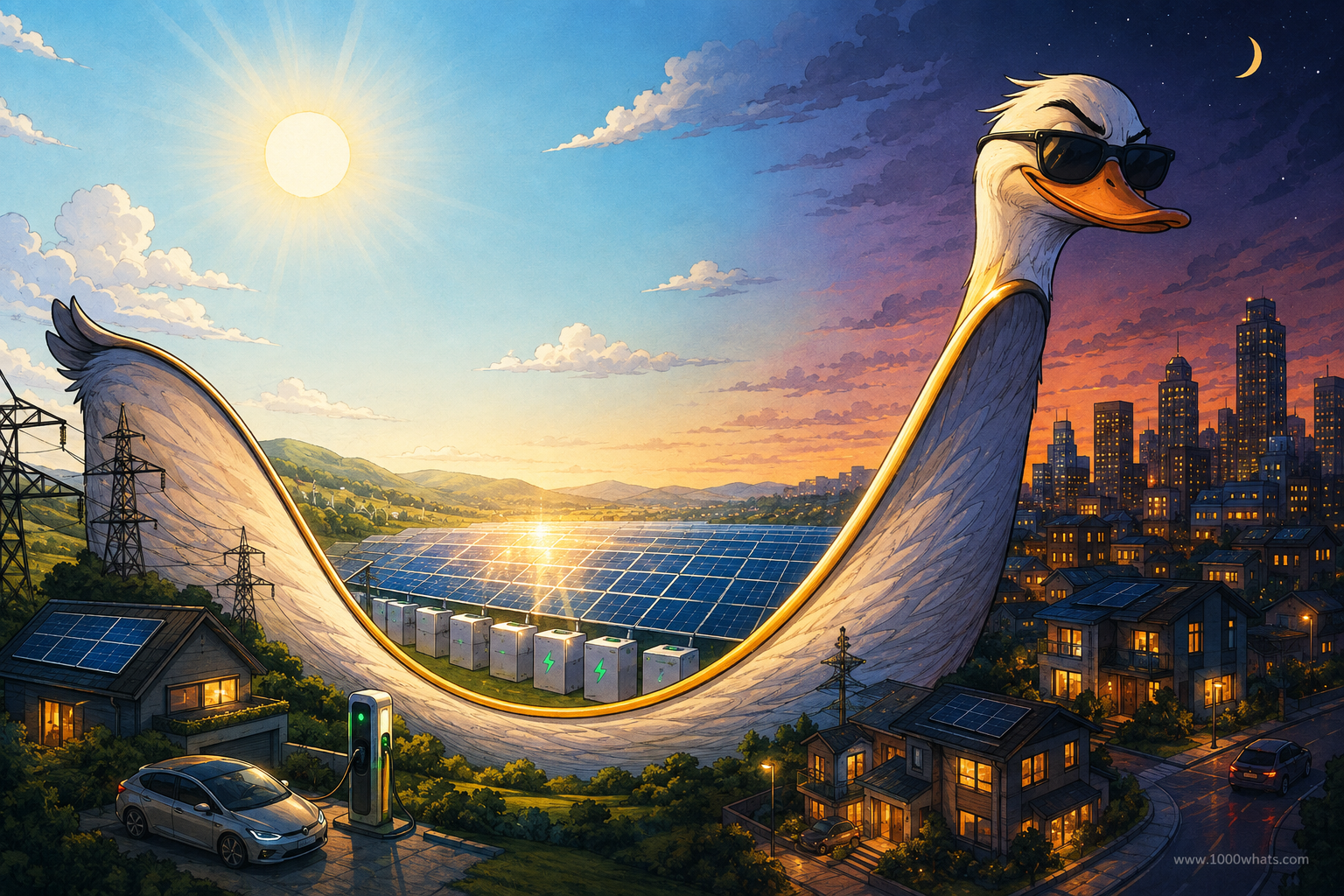
Witty featured image of the duck curve showing a giant duck-shaped figure over solar panels, batteries, homes, and an evening city skyline.

Solar power can become so abundant in the middle of the day that it creates a completely different problem for the electricity grid: too much power at noon, then a frantic scramble for electricity after sunset. That strange pattern is called the duck curve. Here’s what it is, why it happens, and why batteries, EVs, flexible demand, and smarter grids may finally teach the duck some manners.