Physics Made Simple

Physics made simple breaks down the laws of nature—from motion to energy—in clear, relatable ways that make the universe easier to grasp. 🌌🧠⚙️

What is a heat pump? The heater that refuses to make heat
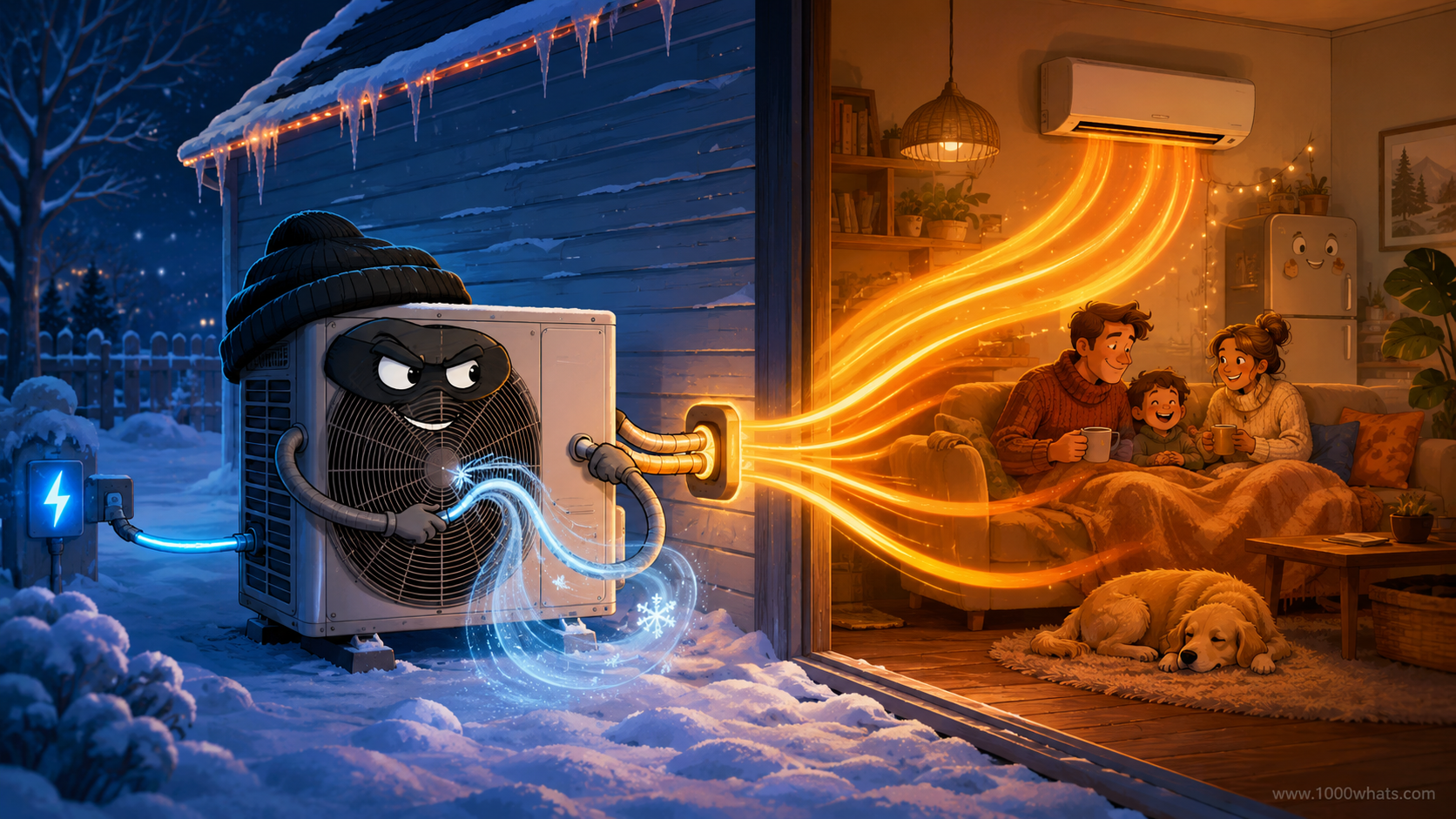
Illustrated winter scene showing a heat pump outside in the snow sending warm glowing heat into a cozy home where a family sits indoors.

A heat pump can deliver three or four units of heat while using roughly one unit of electricity. No, it is not breaking physics. The trick is that it does not create most of the heat—it moves heat that was already there. Here is why your refrigerator, air conditioner, and one of the biggest technologies in building decarbonization are basically members of the same family.
What is heat? The energy that refuses to sit still

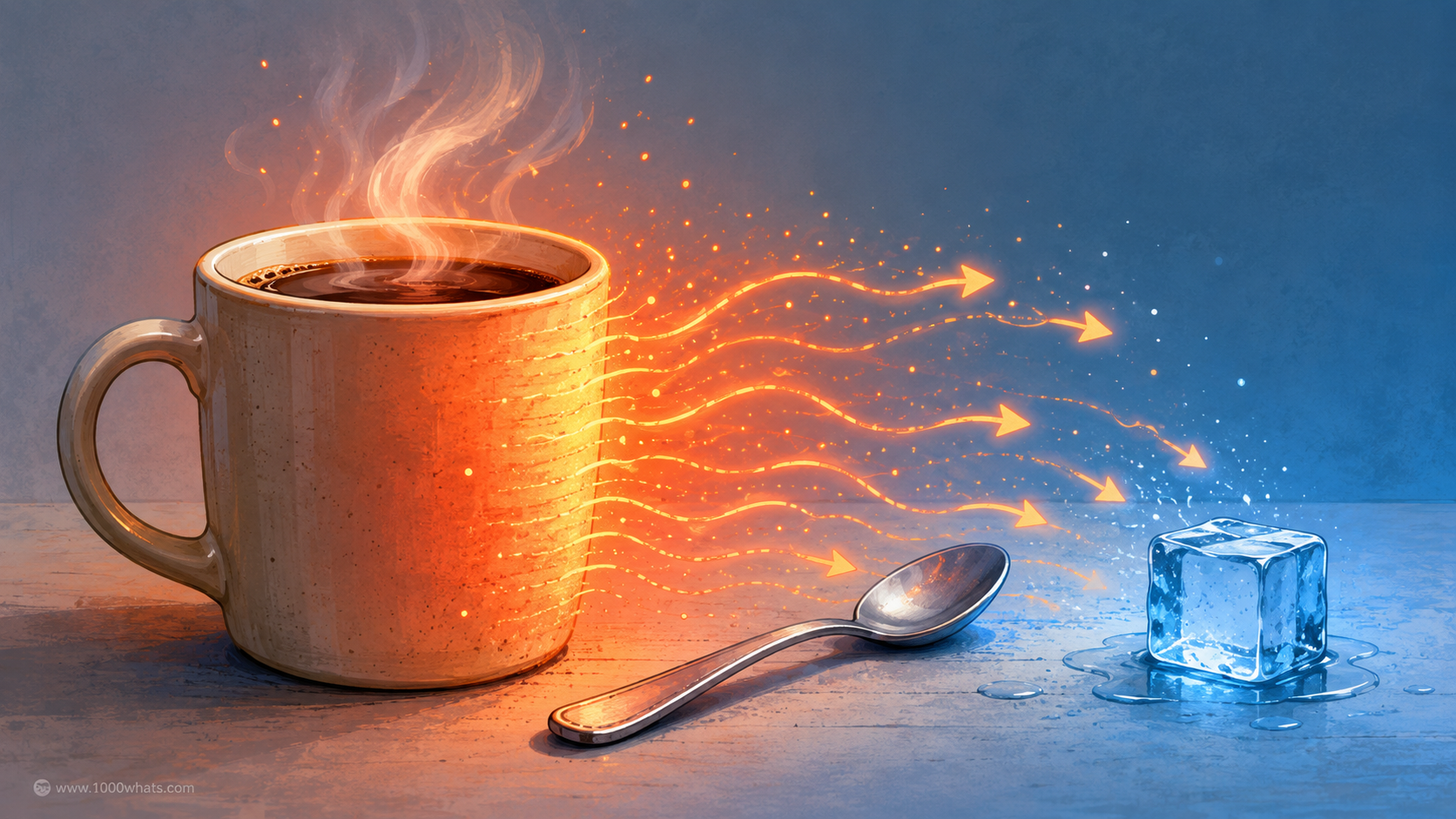
Digital heat illustration showing a steaming mug transferring heat toward a cold ice cube, demonstrating heat flow from hot to cold.

Heat is everywhere—from your morning coffee and electric kettle to power plants, weather systems, factories, and the warming planet. But here’s the twist: heat isn’t actually something an object “contains.” It’s energy on the move. Let’s unpack what heat really is, how it travels, why temperature isn’t the same thing, and why this invisible energy transfer sits at the center of the modern energy system.

What is nuclear fission? The weird atomic trick that boils water and powers cities

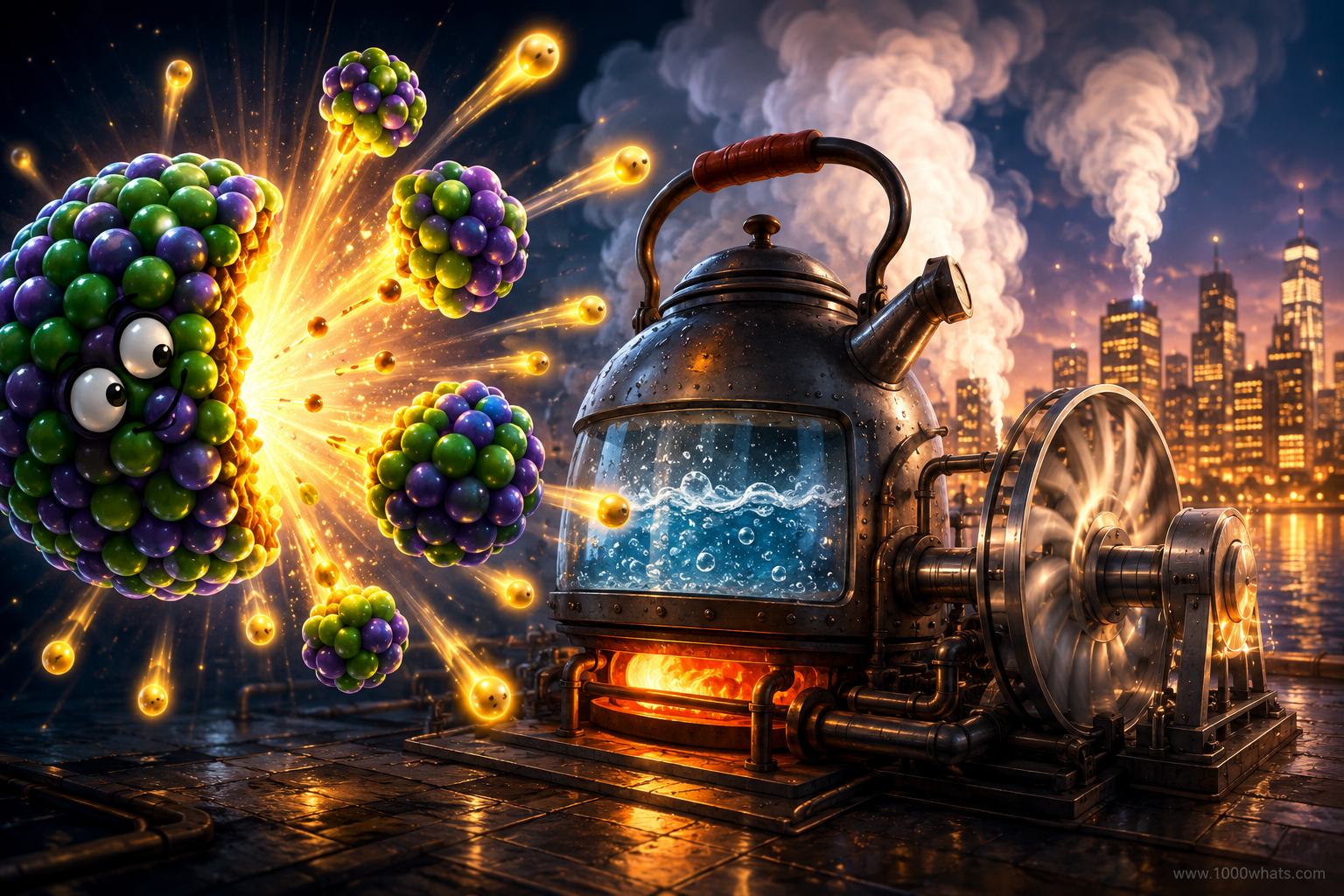
Featured illustration of nuclear fision showing an atom splitting and releasing energy next to a boiler, steam system, and turbine generator producing electricity.

Nuclear fission sounds like the kind of thing you should only discuss in a bunker with three physicists and a lockbox. It is actually much simpler than that. Split a heavy atom, collect the heat, boil water, spin a turbine, make electricity. Here’s what nuclear fission is, why it exists, how it works, where it shows up in real life, and why it matters more right now than a lot of people realize.

What is nuclear fusion — and are we finally close?

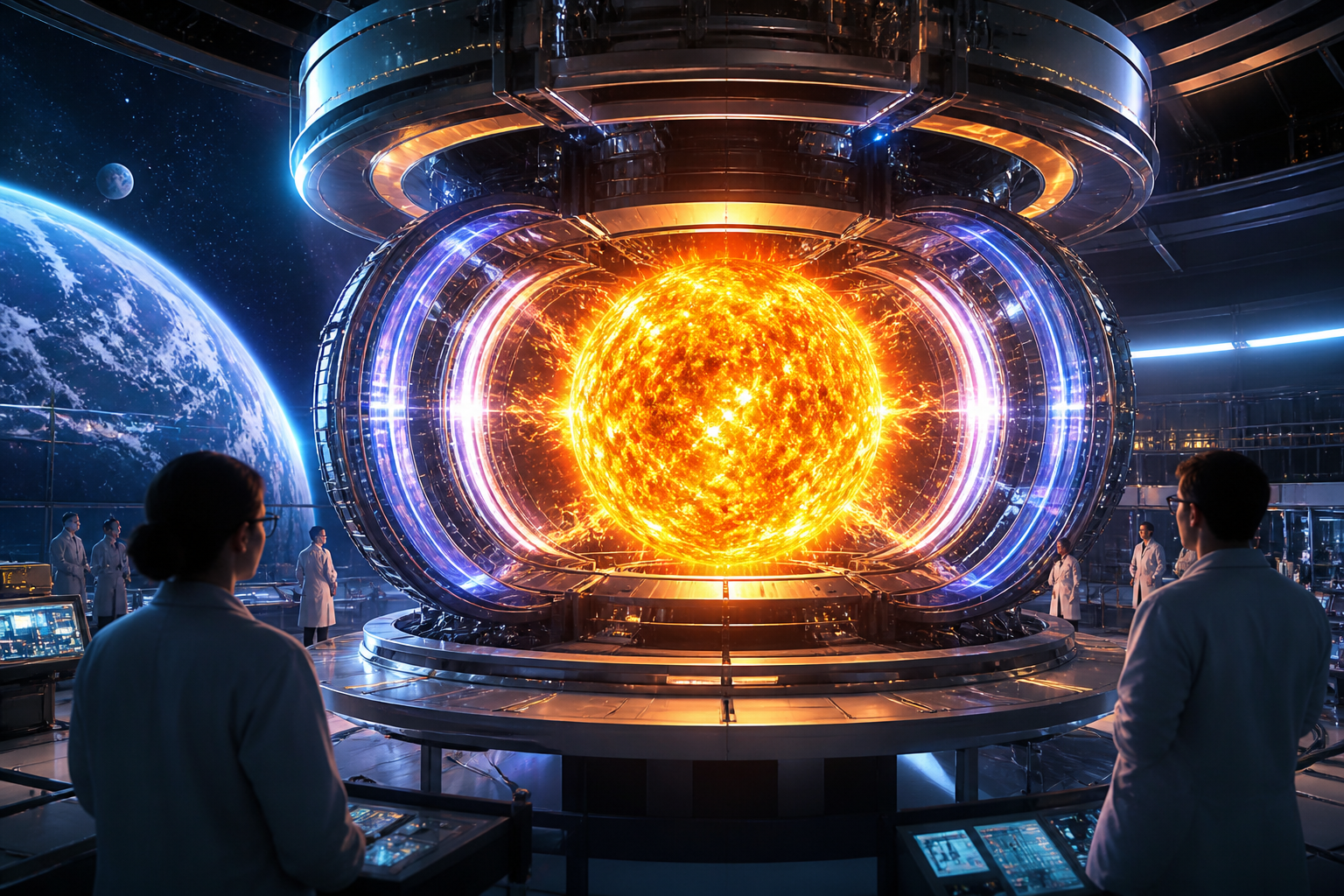
A glowing artificial sun inside a futuristic reactor, representing nuclear fusion and the attempt to create star-like energy on Earth.

Nuclear fusion is the dream machine of energy: no smokestack, no coal train, no ordinary reactor fuel rods, just light atoms squeezed so hard they snap together and spill out astonishing energy. The twist is that fusion is both real and not ready. Scientists have crossed major milestones, but a lab triumph is not the same thing as cheap electricity on your wall socket. Here’s the simple version, without the fog.

What is electrical resistance? Current’s adversary

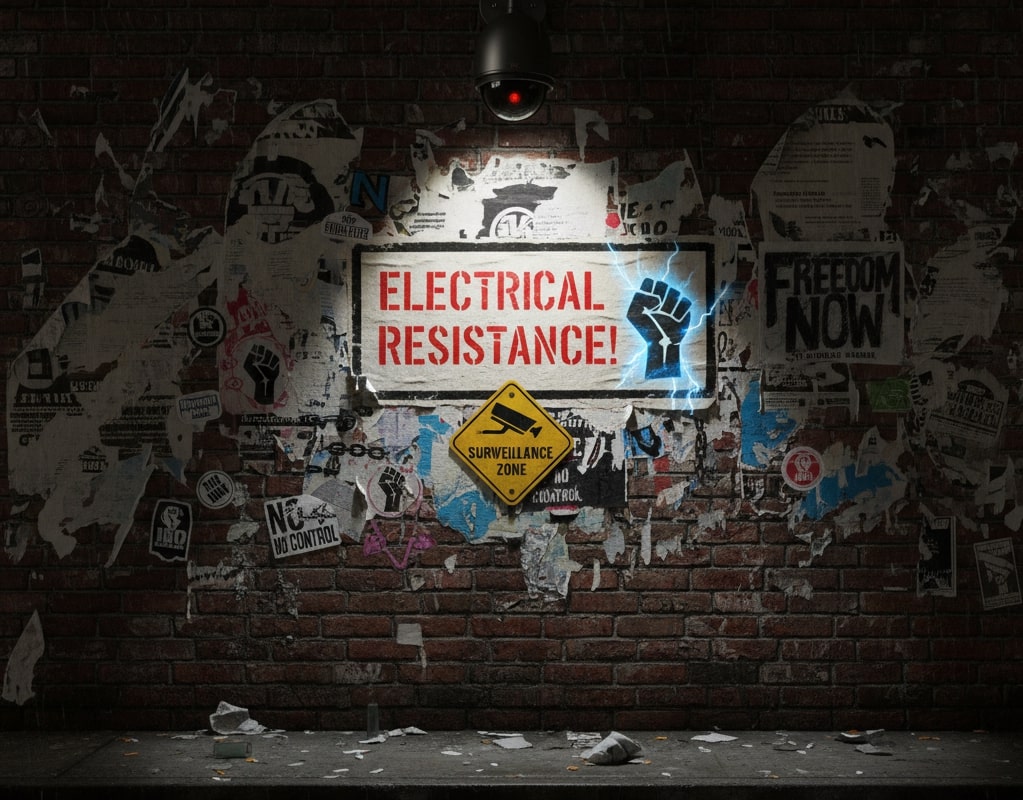
Graffiti wall with the phrase “Electrical Resistance!” in red letters and an electrified blue fist symbol under a surveillance camera, representing the concept of electrical resistance and defiance.

Electrical resistance isn’t just a nuisance—it’s a force that shapes every circuit, every spark, every surge of power. It slows electrons, sure, but it also protects, directs, and transforms. From heating your coffee to lighting entire cities, resistance is the silent architect behind how energy flows. In this post, we explore how resistance works, what factors influence it, and how it quietly balances power and precision in our electrified world.