Energy explained simply

Energy is messy. These explainers make it a little less ridiculous — for readers, professionals, and companies alike.

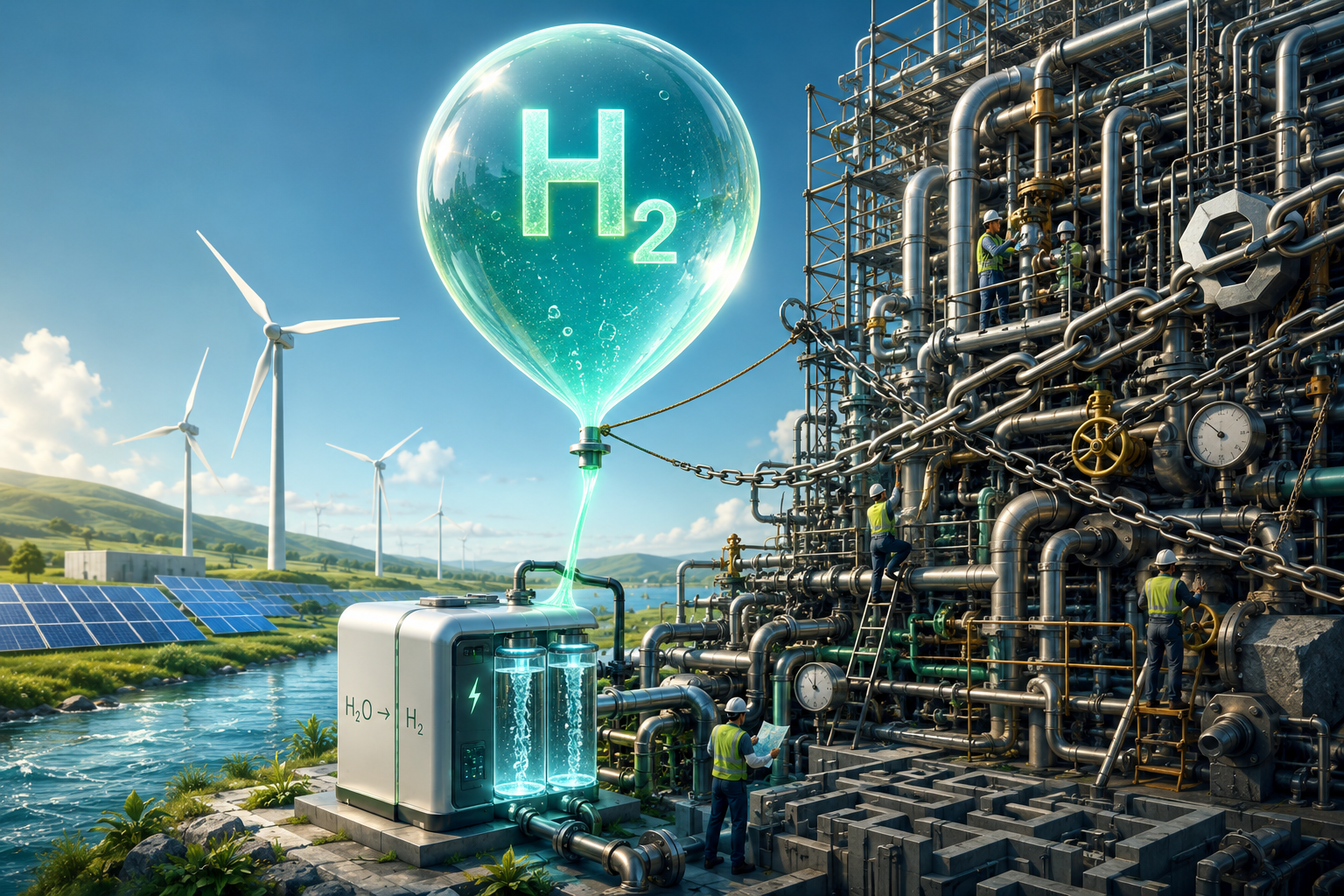
Green hydrogen illustration showing wind and solar power producing H₂ through electrolysis for use in heavy industry.

What is green hydrogen — the simple explanation most articles skip

What is green hydrogen, really? It is hydrogen made with renewable electricity—but the part most articles miss is this: hydrogen does two very different jobs. Sometimes it is a chemical ingredient used in fertilizer and industry. Other times it is an energy carrier used to store clean electricity for later. Once you see that split, green hydrogen stops sounding like futuristic jargon and starts making sense.

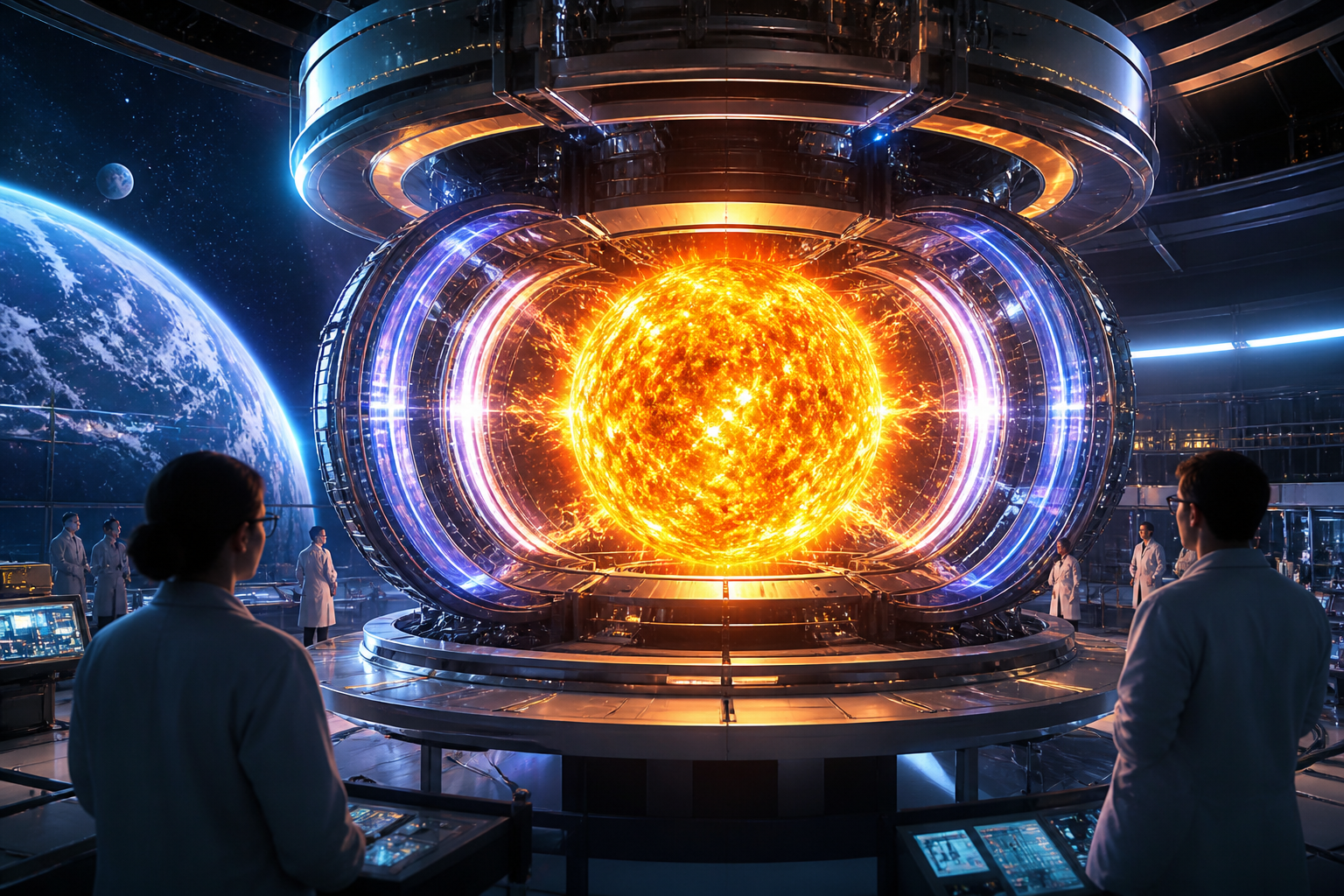
A glowing artificial sun inside a futuristic reactor, representing nuclear fusion and the attempt to create star-like energy on Earth.

What is nuclear fusion — and are we finally close?

Nuclear fusion is the dream machine of energy: no smokestack, no coal train, no ordinary reactor fuel rods, just light atoms squeezed so hard they snap together and spill out astonishing energy. The twist is that fusion is both real and not ready. Scientists have crossed major milestones, but a lab triumph is not the same thing as cheap electricity on your wall socket. Here’s the simple version, without the fog.

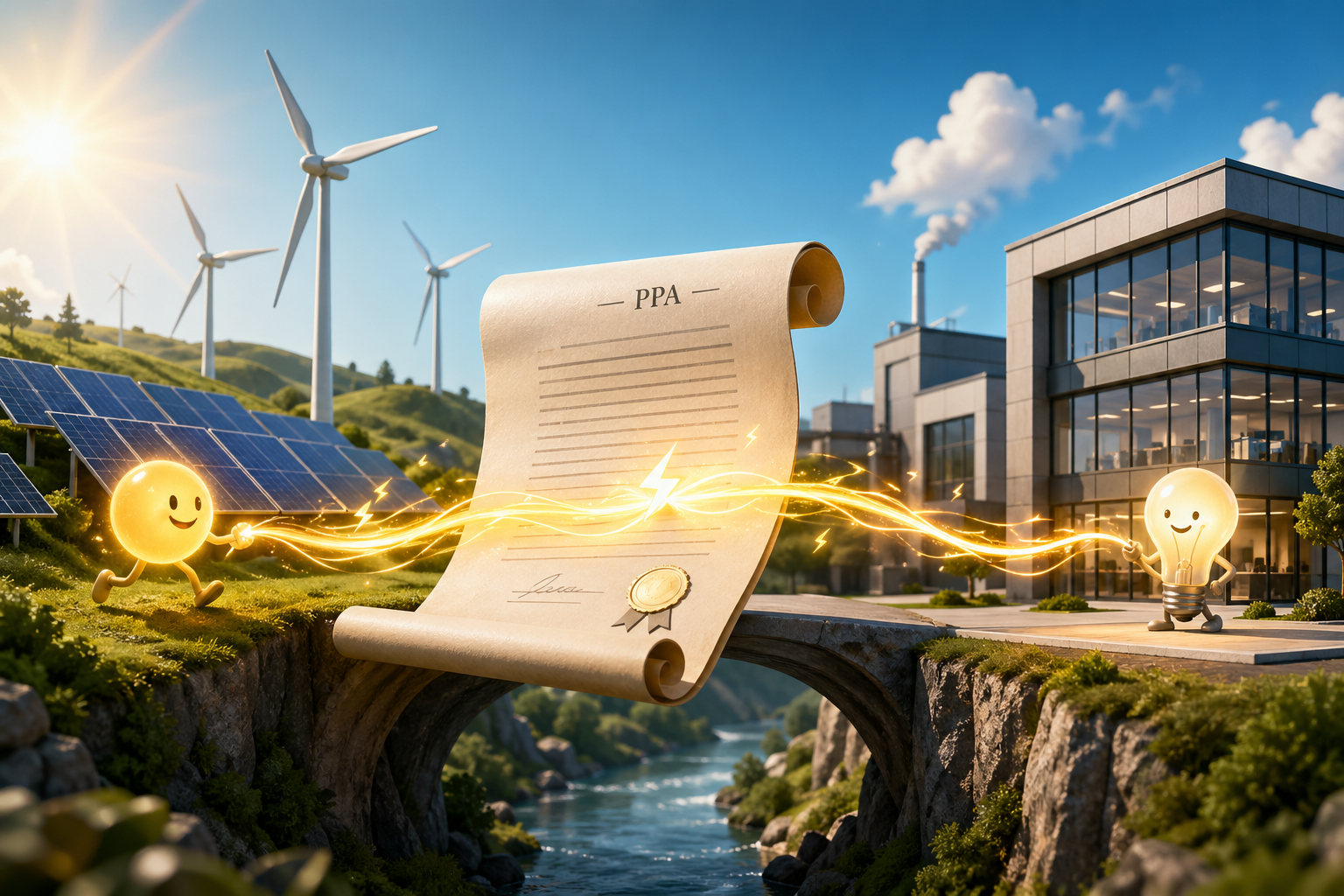
Illustration of a Power Purchase Agreement (PPA) connecting solar and wind energy projects with an electricity buyer through a glowing contract bridge.

What is a Power Purchase Agreement (PPA)? The strange little contract behind big energy projects

A power purchase agreement, or PPA, is one of the most important contracts in modern energy — and one of the least understood. It is how solar farms get financed, how companies lock in electricity prices, and how power gets sold before it is even generated. Here is what a PPA is, how it works, and why it matters more than most people realize.

Curtailment concept image showing a table full of food and drinks after a party, symbolizing available energy supply that cannot be fully used or absorbed by the system.

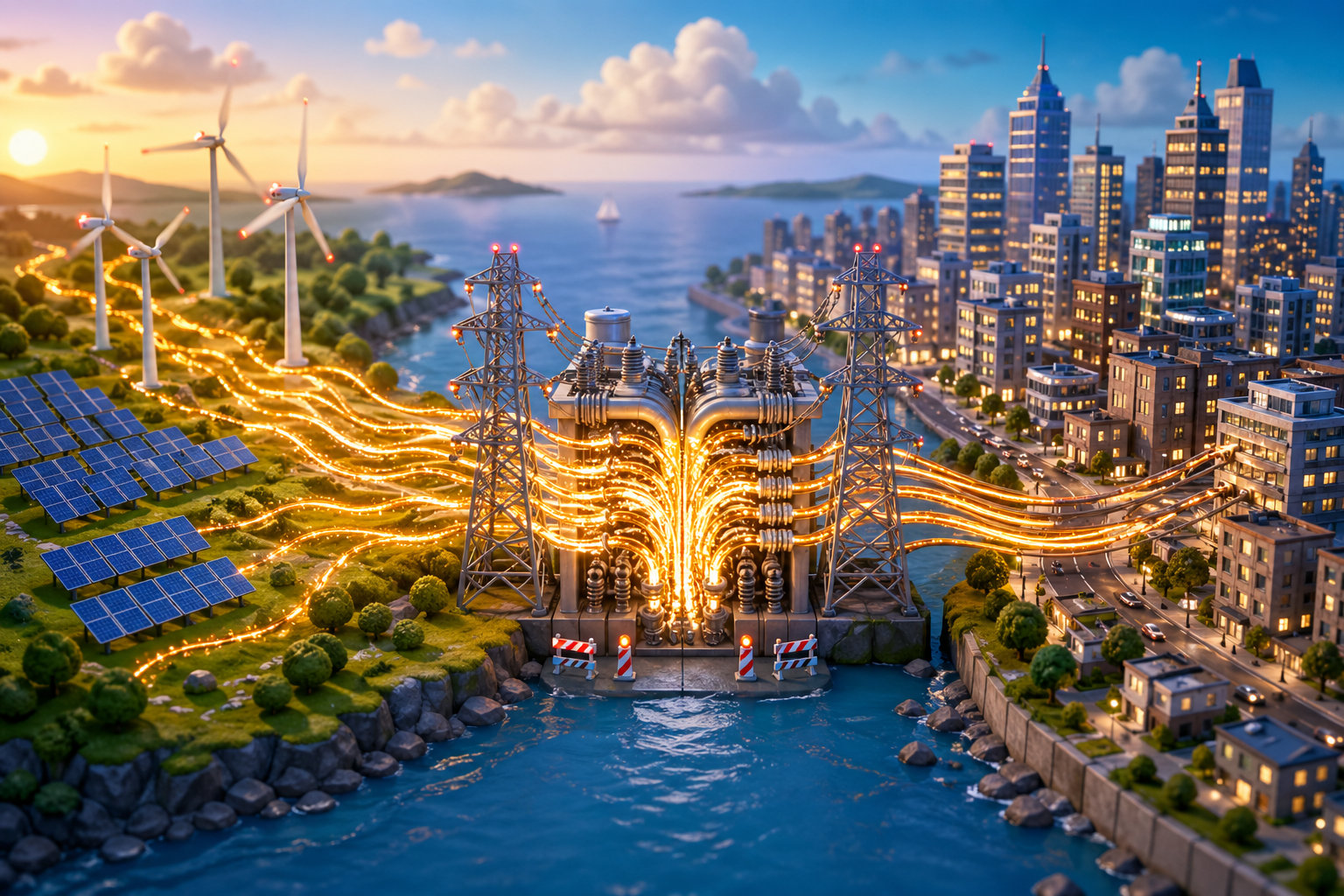
What is curtailment? Why energy sometimes go to waste

Curtailment may sound harmless, but in the energy world it’s a serious headache. When the grid can’t absorb all the electricity being generated, especially from wind and solar, operators are forced to reduce output. Here’s what curtailment means, why it happens, what it costs, and how smarter grids could reduce it.