Grid Flexibility

Understand grid flexibility and why the power system needs faster, smarter ways to balance supply and demand.

What is a load duration curve? The power grid fires its calendar

Load duration curve featured image showing electricity demand blocks being rearranged from a chronological profile into a descending ranked curve.

An electricity system can spend thousands of hours behaving nicely and a handful demanding everything at once. A load duration curve sorts those hours by demand, exposing the costly peak, the energy underneath, and the capacity that barely gets used. But it forgets when anything happened, which is why batteries eventually insist on rehiring the calendar.

What is diversity factor? The grid’s greatest scheduling trick

Diversity factor featured image showing apartments using electricity at different times for cooking, showering and EV charging while sharing one distribution transformer.

Four neighbors, four separate electricity peaks, and one transformer that refuses to panic. Diversity factor explains why the grid does not need to supply everyone’s personal maximum at once, how engineers calculate that advantage, and why synchronized EV charging or a heat wave can make the scheduling miracle disappear. The secret is not less electricity. It is better timing.

What is pumped-storage hydropower? The battery that makes water work two shifts

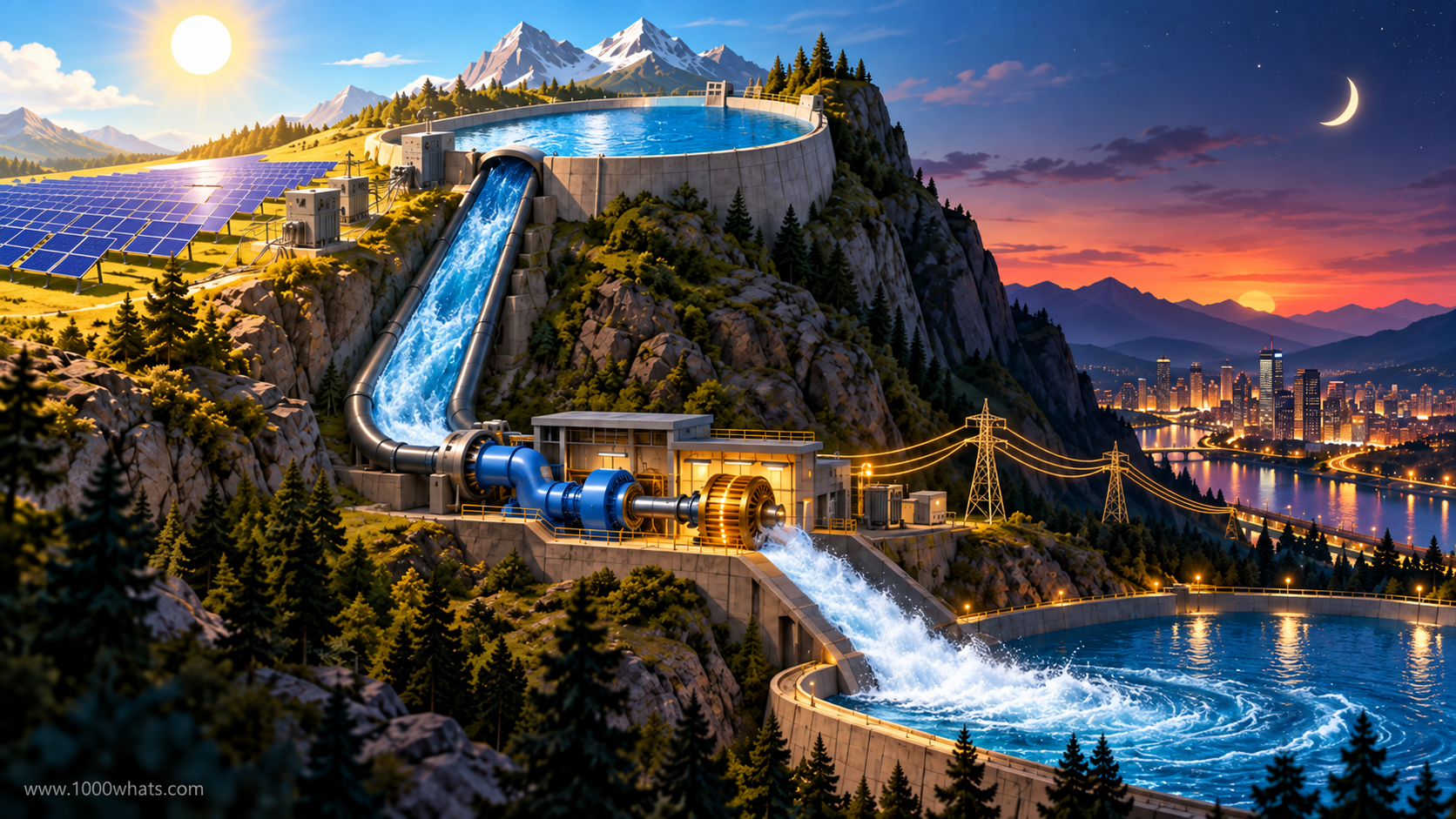
Pumped-storage hydropower featured image with upper and lower mountain reservoirs, a turbine-generator, solar panels and a city supplied with electricity at night.

At noon, the grid has more solar electricity than it needs. At dinner, everybody wants power at once. Somewhere in the mountains, a million tons of water have been hired to solve this scheduling problem. They spend the afternoon climbing uphill and the evening falling back down. Nobody calls it elegant. Engineers call it pumped-storage hydropower, and gravity has never missed a shift.

What is a synchronous condenser? The generator that stopped generating

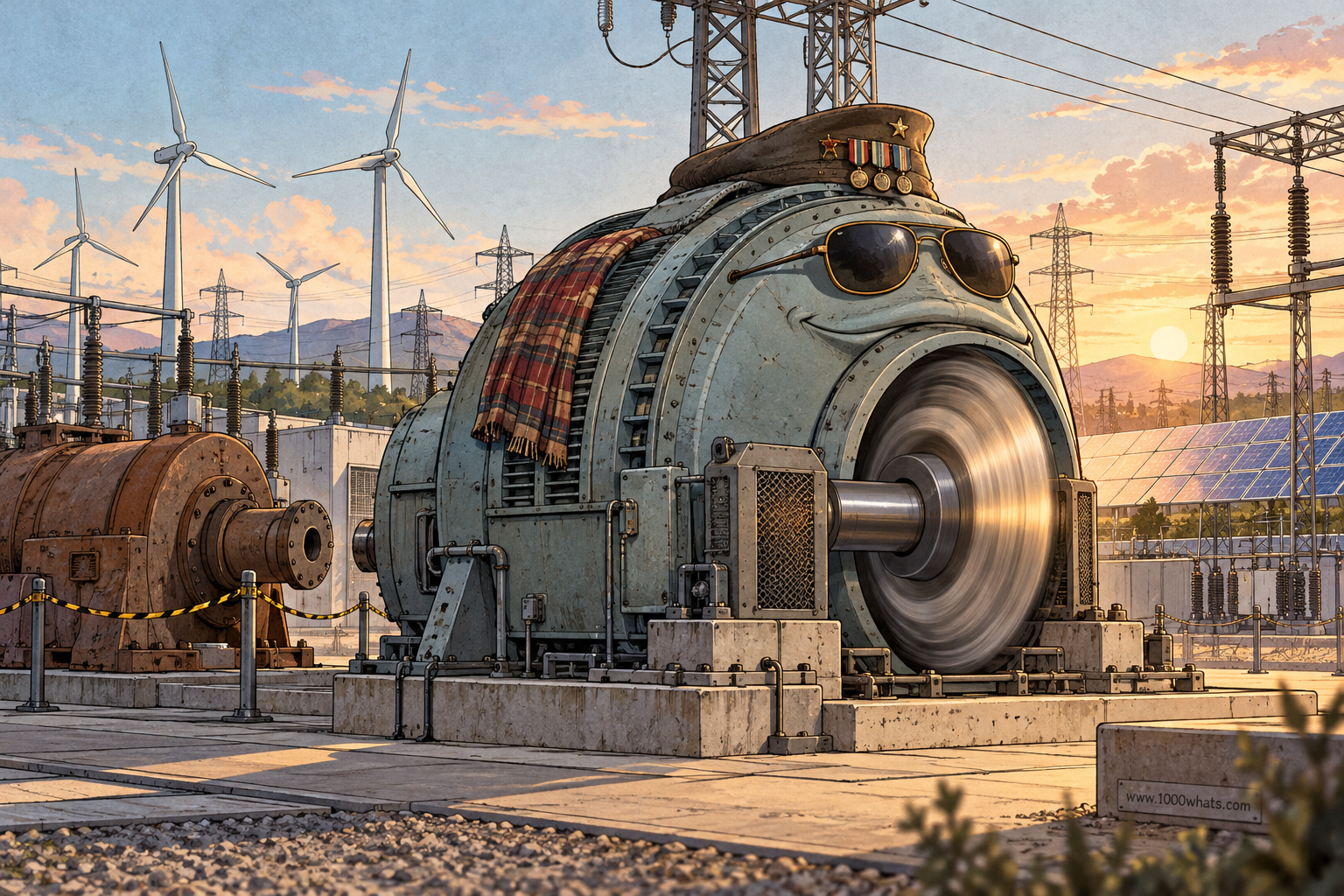
Synchronous condenser featured image showing a large rotating machine in a substation with wind turbines and solar panels in the background.

Imagine installing an enormous rotating electrical machine, connecting it to the power grid, and deliberately producing almost no electricity. That is a synchronous condenser. It provides inertia, voltage support and short-circuit strength without burning fuel to generate power. As traditional power stations retire, this old technology is finding a surprisingly important new job.

What is energy arbitrage? Buying electricity when nobody wants it

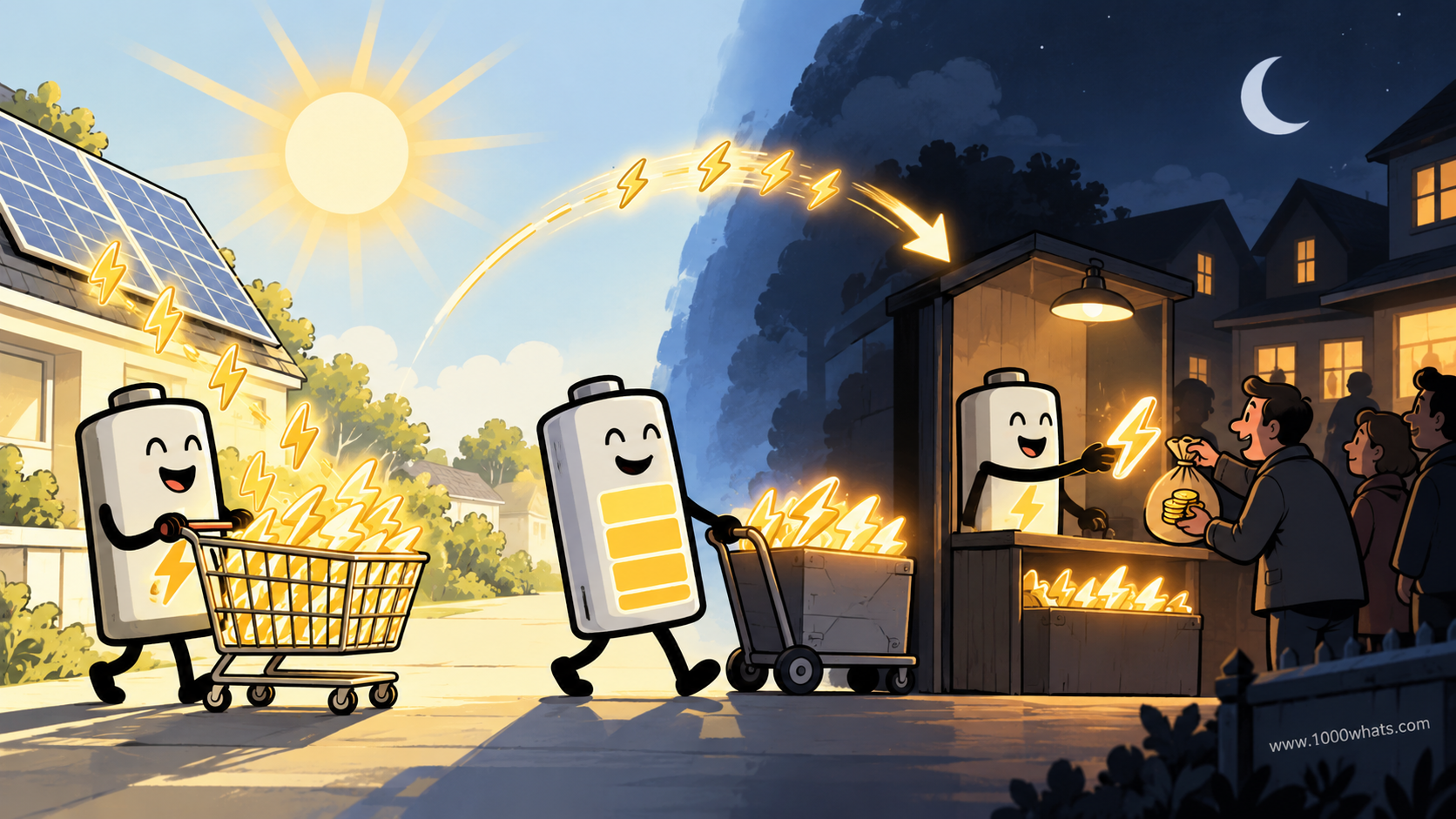
Energy arbitrage featured image showing batteries moving cheap daytime electricity toward a higher-value nighttime market.

Electricity can be worth €20/MWh at noon and €150/MWh a few hours later. Energy arbitrage turns that difference into a business model: buy or store electricity when it is cheap, then sell it when it becomes valuable. The idea sounds suspiciously like “buy low, sell high.” It is. The interesting part is what batteries, efficiency losses, degradation, forecasts, negative prices, and thousands of competing batteries do to that beautifully simple plan.

What is thermal energy storage? The battery that stores heat instead of electricity

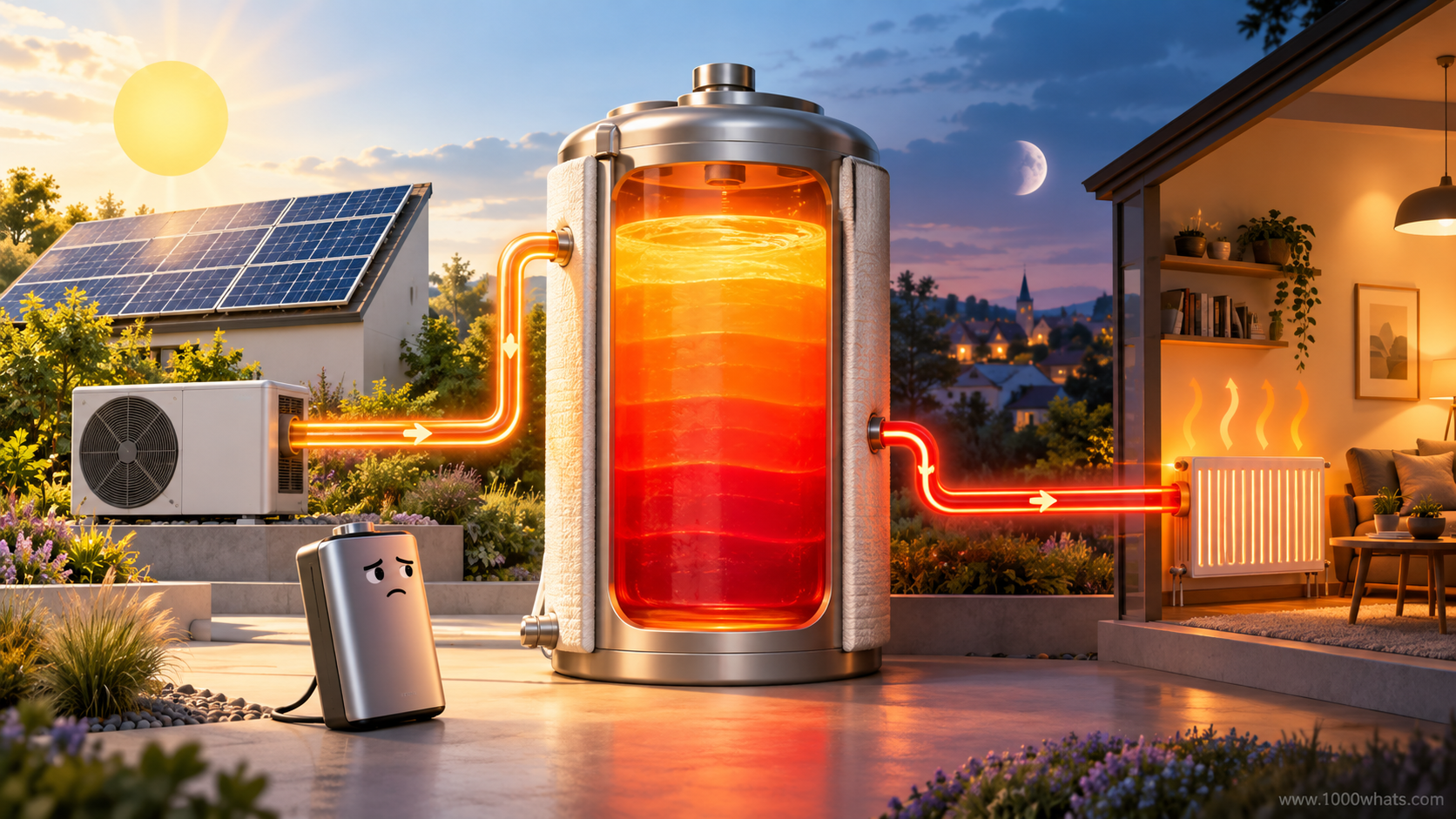
Thermal energy storage tank charged by solar-powered heat pump during the day and supplying home heating after sunset.

Battery storage gets most of the attention, but many energy problems do not actually require electricity to be stored as electricity. If the final job is heating a building, cooling a supermarket, supplying industrial heat, or keeping a district-heating network warm, it may be simpler to store the thermal energy itself. Thermal energy storage can be as basic as a tank of hot water—or as exotic as molten salt, underground reservoirs, ice, phase-change materials, and reversible chemical reactions.

What are ancillary services? The grid services nobody notices until something goes wrong

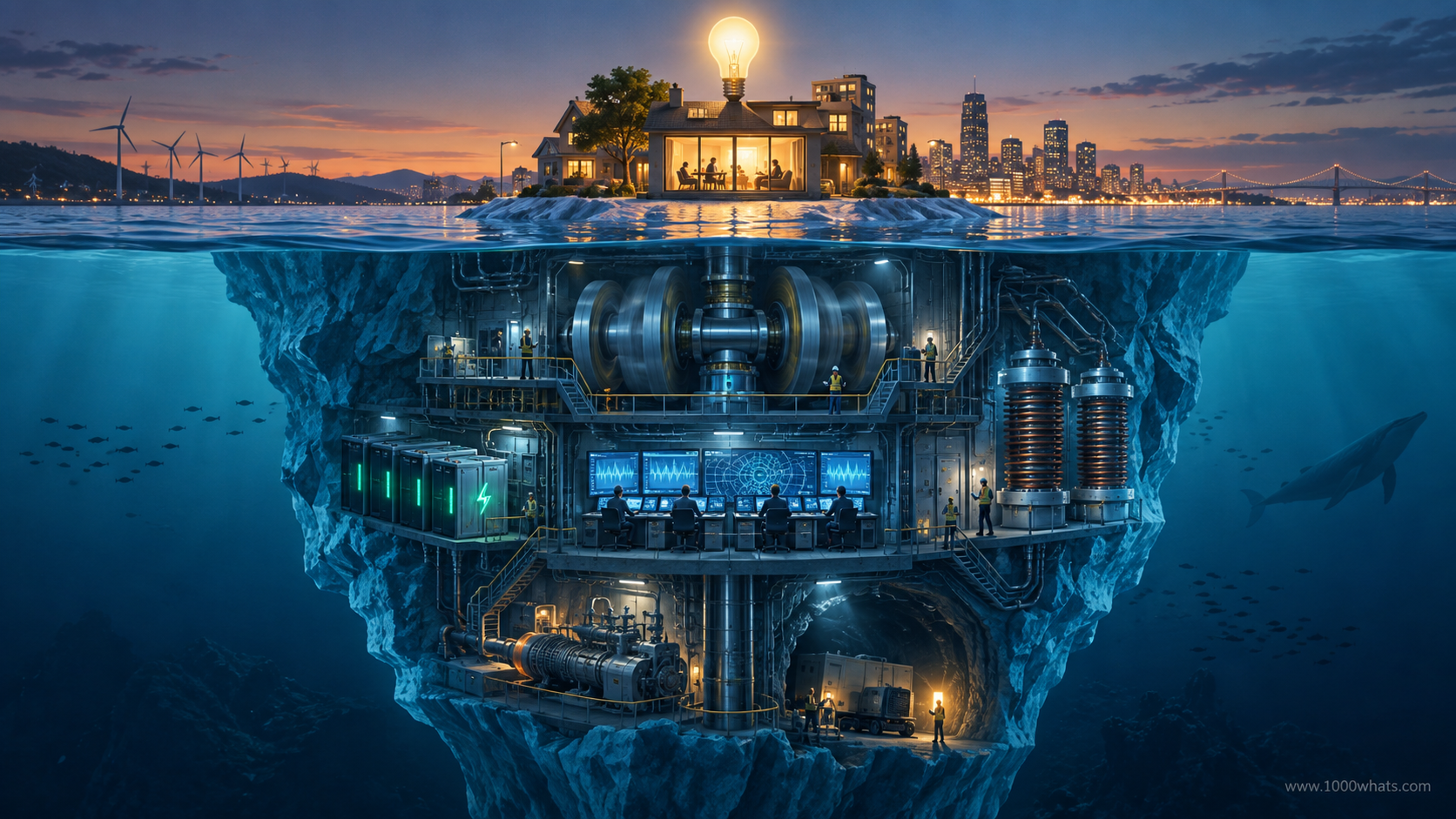
Illustration of a house above water with a hidden underground grid system below, representing ancillary services that support reliable electricity.

Buying enough electricity is not enough to run an electricity system. The grid also needs resources that can react in seconds, hold frequency, support voltage, replace a generator that suddenly disappears, and even help restart the system after a blackout. Those invisible jobs are called ancillary services—and as power systems add batteries, renewables, demand response, and power electronics, they are becoming much more visible.