Electricity generation

Electricity generation is the process of producing electrical power from sources like fossil fuels, nuclear, wind, solar, and hydro.

What is the Duck Curve? When solar power collides with peak electricity demand

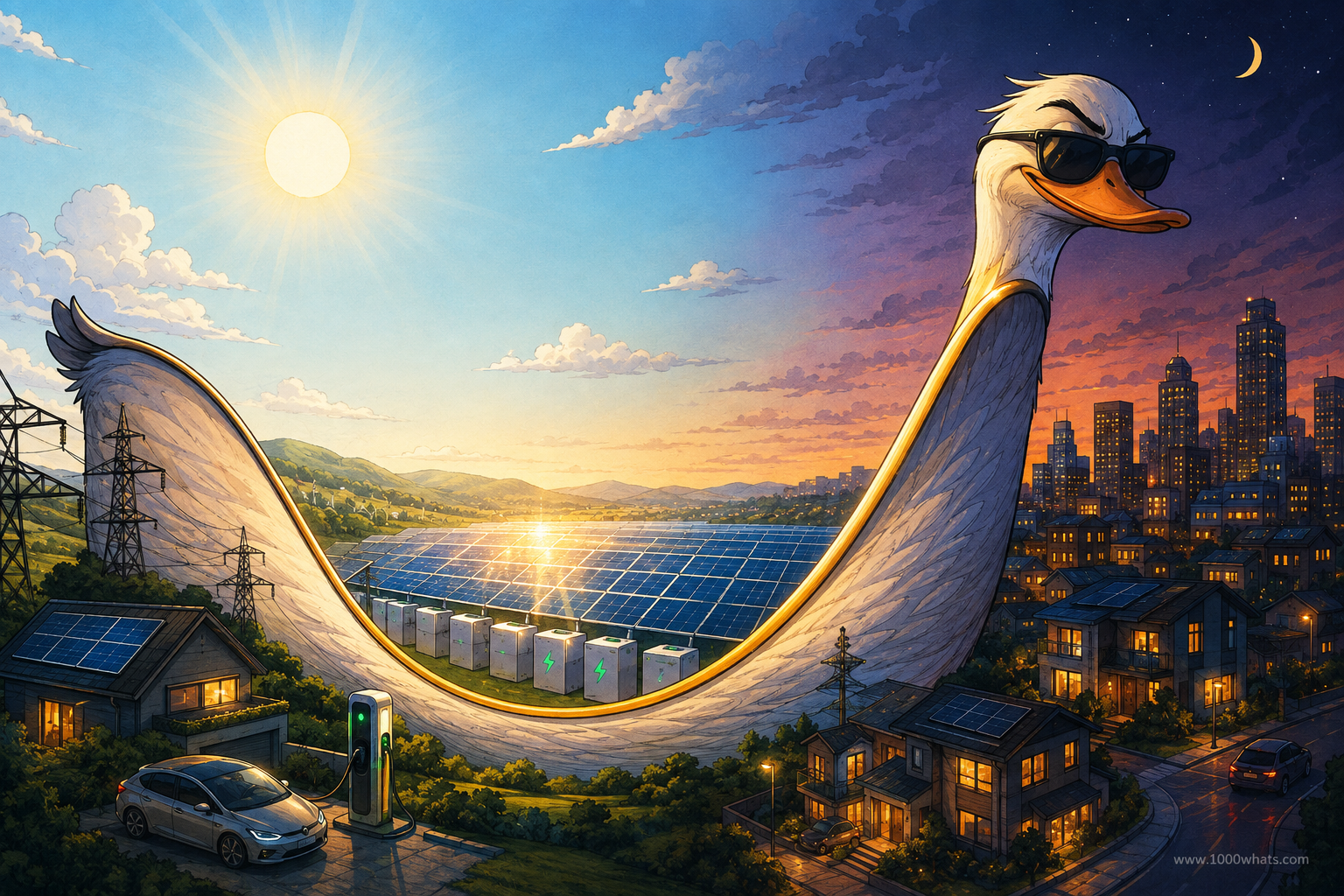
Witty featured image of the duck curve showing a giant duck-shaped figure over solar panels, batteries, homes, and an evening city skyline.

Solar power can become so abundant in the middle of the day that it creates a completely different problem for the electricity grid: too much power at noon, then a frantic scramble for electricity after sunset. That strange pattern is called the duck curve. Here’s what it is, why it happens, and why batteries, EVs, flexible demand, and smarter grids may finally teach the duck some manners.

What is wind power? How moving air becomes electricity

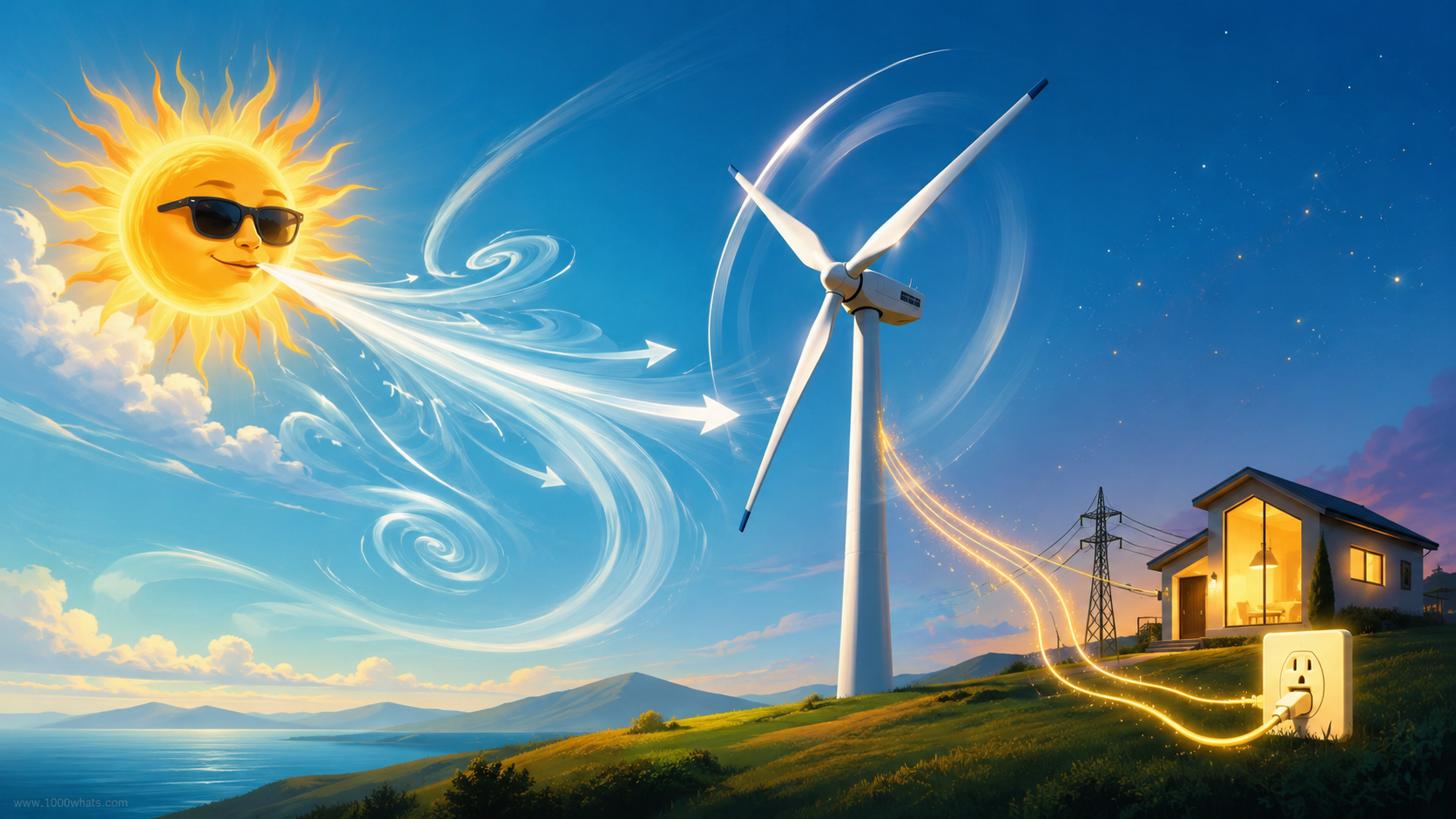
Witty windpower featured image showing a cartoon Sun blowing wind into a turbine that generates electricity for a nearby house.

Wind power turns the kinetic energy of moving air into electricity—but a turbine doesn’t simply “catch” wind like a sail. From uneven solar heating and atmospheric pressure differences to aerodynamic lift, spinning generators, and grid-ready electricity, here’s what actually happens inside a wind turbine.

What is capacity market? Why power plants get paid even when they’re not generating

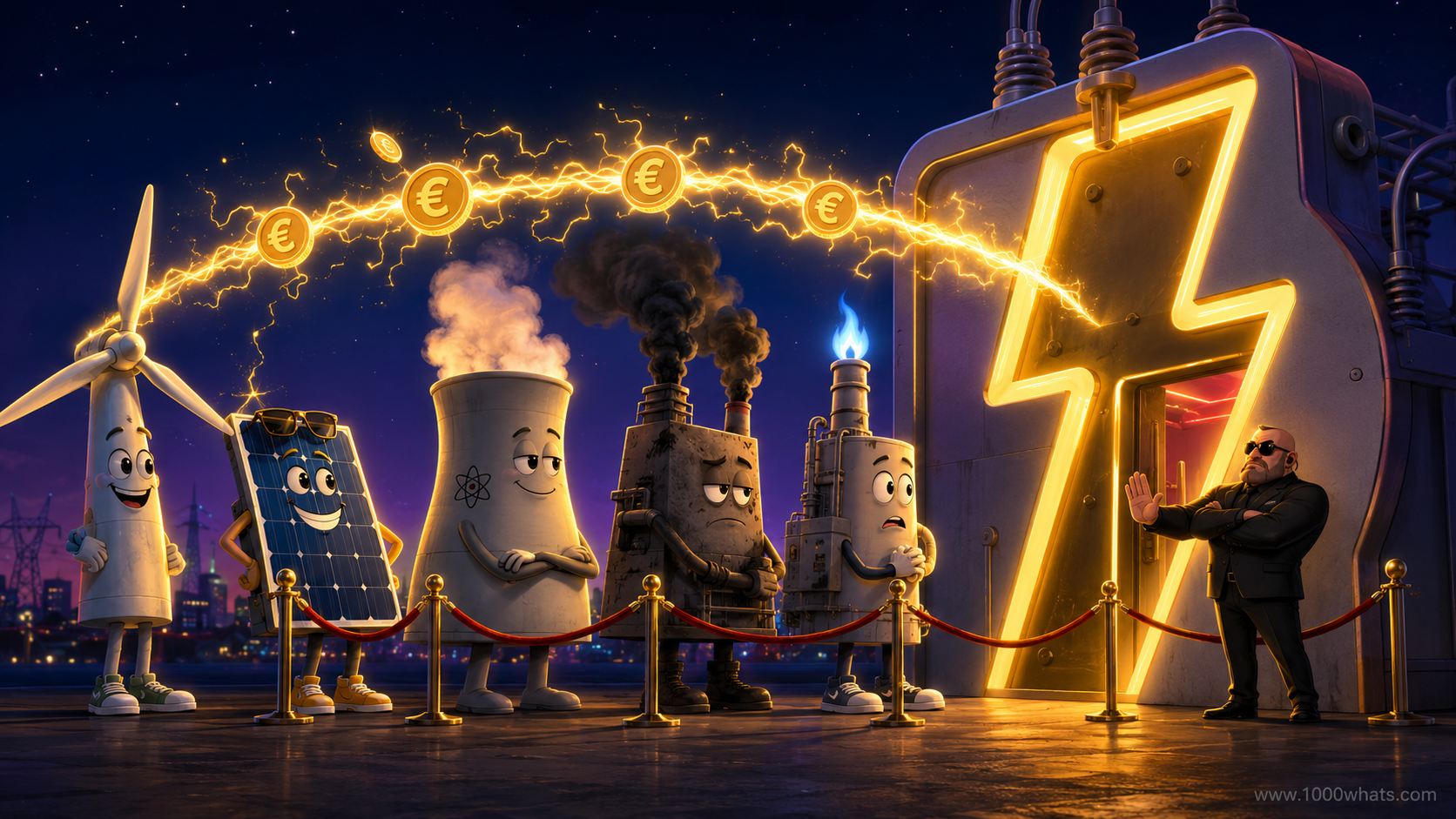
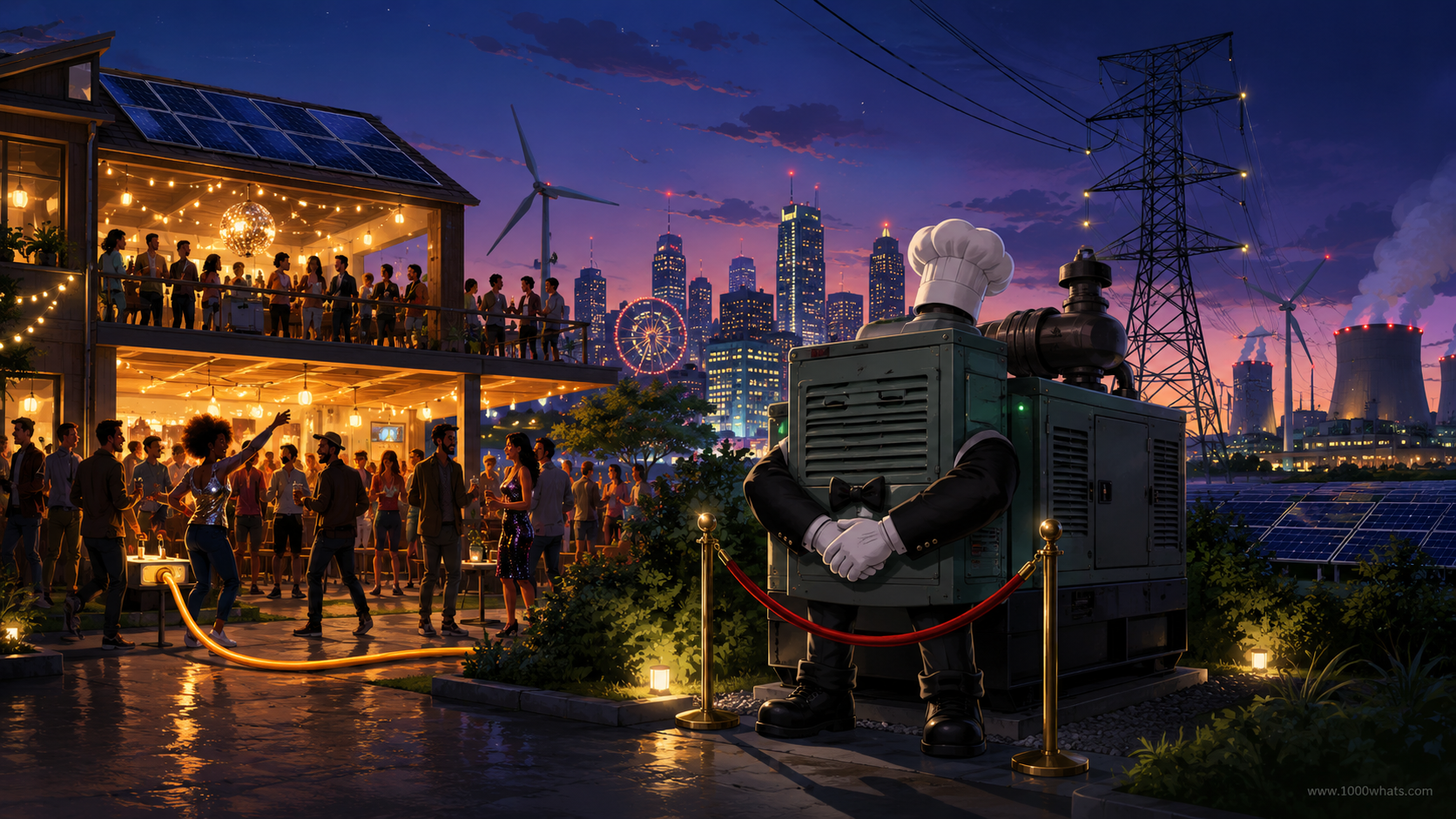
Witty capacity market featured image showing a standby generator dressed like a guard outside a lively building, symbolizing payment for being available when the power system needs backup.

Imagine running a power system like hosting the world’s most unpredictable party. Guests arrive early, late, hungry, overheated, and sometimes all at once. That is basically how electricity demand behaves. A capacity market exists to make sure enough power is available when the grid gets stressed. Here’s how it works, why it exists, and why it remains one of the most controversial tools in modern electricity markets.

What is nuclear fission? The weird atomic trick that boils water and powers cities

Featured illustration of nuclear fision showing an atom splitting and releasing energy next to a boiler, steam system, and turbine generator producing electricity.

Nuclear fission sounds like the kind of thing you should only discuss in a bunker with three physicists and a lockbox. It is actually much simpler than that. Split a heavy atom, collect the heat, boil water, spin a turbine, make electricity. Here’s what nuclear fission is, why it exists, how it works, where it shows up in real life, and why it matters more right now than a lot of people realize.