Energy Transition

Energy transition means shifting from fossil fuels to renewables—cleaner, smarter energy for a climate-safe future. Change is not optional. ⚡🌱

What is the just transition? The green shift that doesn’t get to throw people under the bus

Featured illustration of just transition showing workers and families crossing a bridge from a polluted fossil-fuel world to a clean energy future with wind turbines, solar panels, and electric transport.

A just transition means moving to a cleaner economy without sacrificing workers, communities, or low-income households along the way. It sounds obvious. It isn’t. Here’s what the just transition really is, why it exists, how it works, where it gets messy, and why the energy transition can go from noble to ridiculous the second people are treated like spare parts.

What is green hydrogen — the simple explanation most articles skip

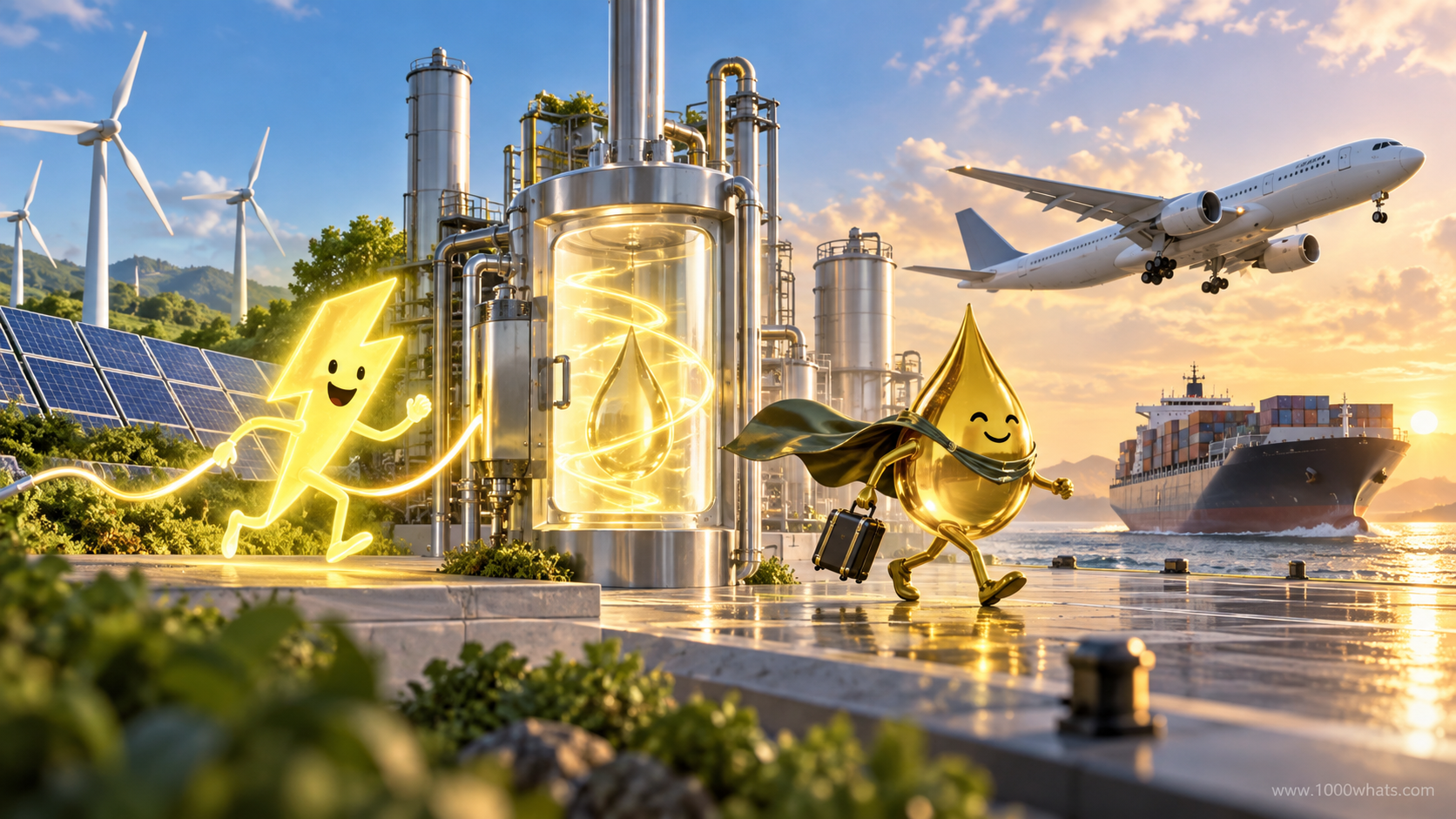
Green hydrogen illustration showing wind and solar power producing H₂ through electrolysis for use in heavy industry.

What is green hydrogen, really? It is hydrogen made with renewable electricity—but the part most articles miss is this: hydrogen does two very different jobs. Sometimes it is a chemical ingredient used in fertilizer and industry. Other times it is an energy carrier used to store clean electricity for later. Once you see that split, green hydrogen stops sounding like futuristic jargon and starts making sense.

What is coal? The hero and the villain

Split-scene digital painting showing coal’s impact—left side with industrial-era smokestacks, right side with a modern polluted city and melting glaciers, and a glowing coal lump at the center.

Coal’s story isn’t just about energy—it’s an epic rise and fall. Once hailed as a savior of progress, this black rock powered cities and built empires. But behind the smoke lies a darker legacy. Join me as we uncover the truth about coal—its power, its peril, and its place in our future.