Energy Explained

Energy explained breaks down complex topics like grids, watts, and emissions 🧠—making smart energy choices easier.

What is a heat pump? The heater that refuses to make heat

Illustrated winter scene showing a heat pump outside in the snow sending warm glowing heat into a cozy home where a family sits indoors.

A heat pump can deliver three or four units of heat while using roughly one unit of electricity. No, it is not breaking physics. The trick is that it does not create most of the heat—it moves heat that was already there. Here is why your refrigerator, air conditioner, and one of the biggest technologies in building decarbonization are basically members of the same family.

What is heat? The energy that refuses to sit still

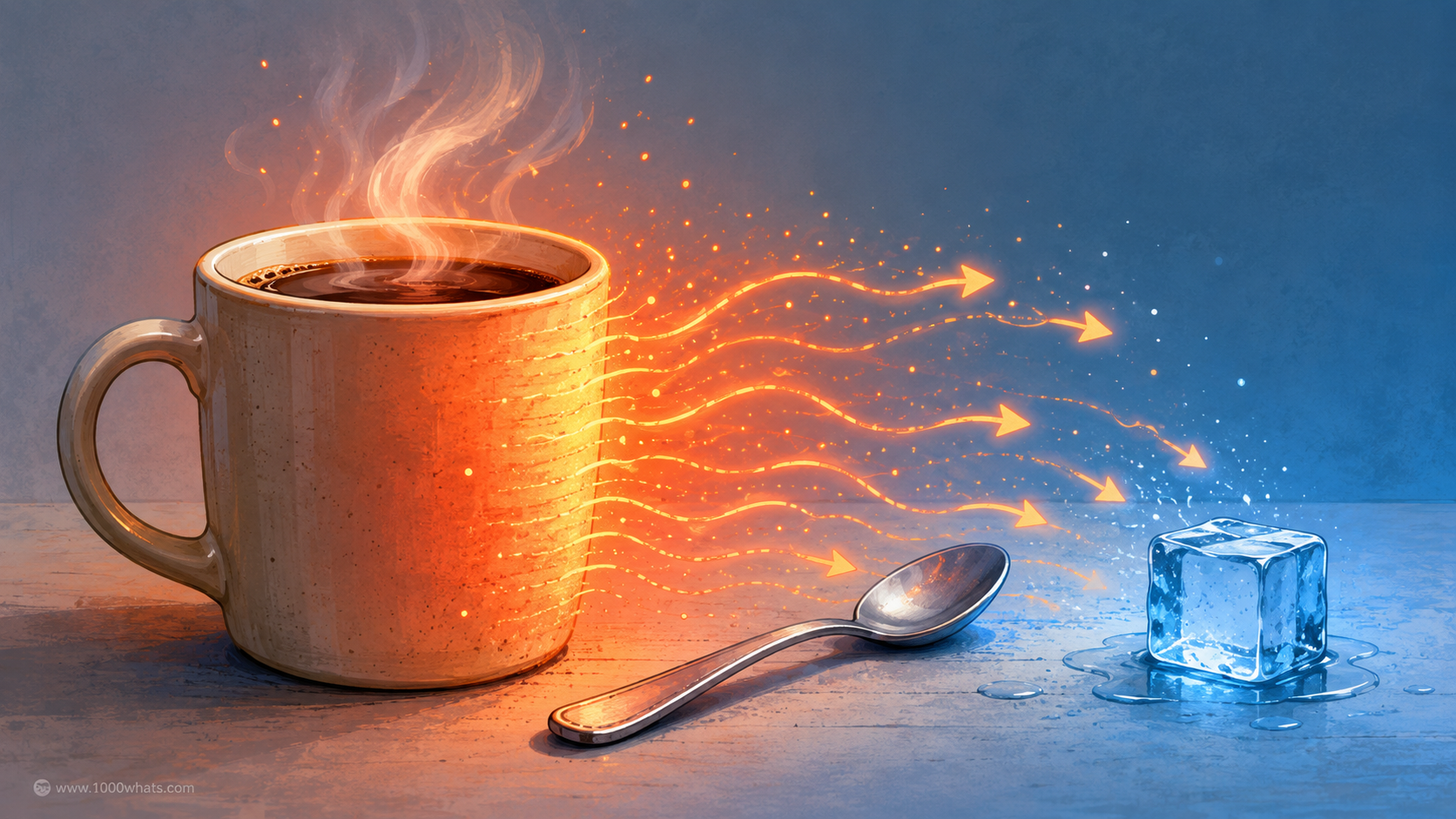
Digital heat illustration showing a steaming mug transferring heat toward a cold ice cube, demonstrating heat flow from hot to cold.

Heat is everywhere—from your morning coffee and electric kettle to power plants, weather systems, factories, and the warming planet. But here’s the twist: heat isn’t actually something an object “contains.” It’s energy on the move. Let’s unpack what heat really is, how it travels, why temperature isn’t the same thing, and why this invisible energy transfer sits at the center of the modern energy system.

What is nuclear fusion — and are we finally close?

A glowing artificial sun inside a futuristic reactor, representing nuclear fusion and the attempt to create star-like energy on Earth.

Nuclear fusion is the dream machine of energy: no smokestack, no coal train, no ordinary reactor fuel rods, just light atoms squeezed so hard they snap together and spill out astonishing energy. The twist is that fusion is both real and not ready. Scientists have crossed major milestones, but a lab triumph is not the same thing as cheap electricity on your wall socket. Here’s the simple version, without the fog.