Solar

Solar energy captures sunlight and turns it into power—clean, renewable, and abundant. The sun lights the way to a low-carbon future. ☀️⚡🌍

What is Commercial Operation Date (COD): The one date that can make—or break—an energy project

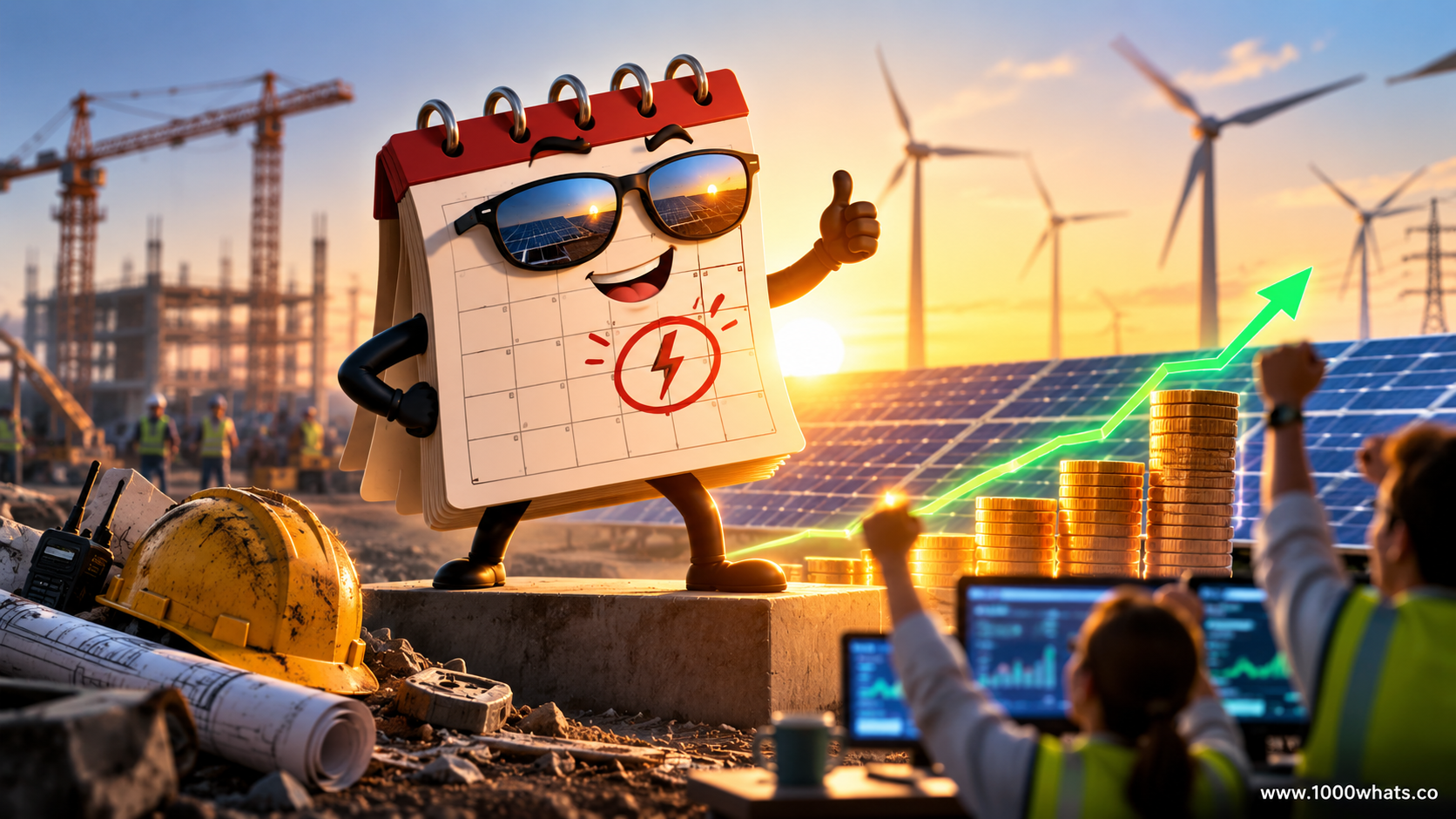
Witty Commercial Operation Date (COD) featured image showing a smiling calendar at a renewable energy project site with construction, solar panels, wind turbines, and financial growth.

Commercial Operation Date (COD) is the moment an energy project stops being a construction story and starts becoming a business. But behind that innocent-looking date sit performance tests, grid approvals, PPAs, lenders, penalties, warranties, and millions of dollars. Here’s what COD really means—and why the entire project team obsesses over it.

What is the Duck Curve? When solar power collides with peak electricity demand

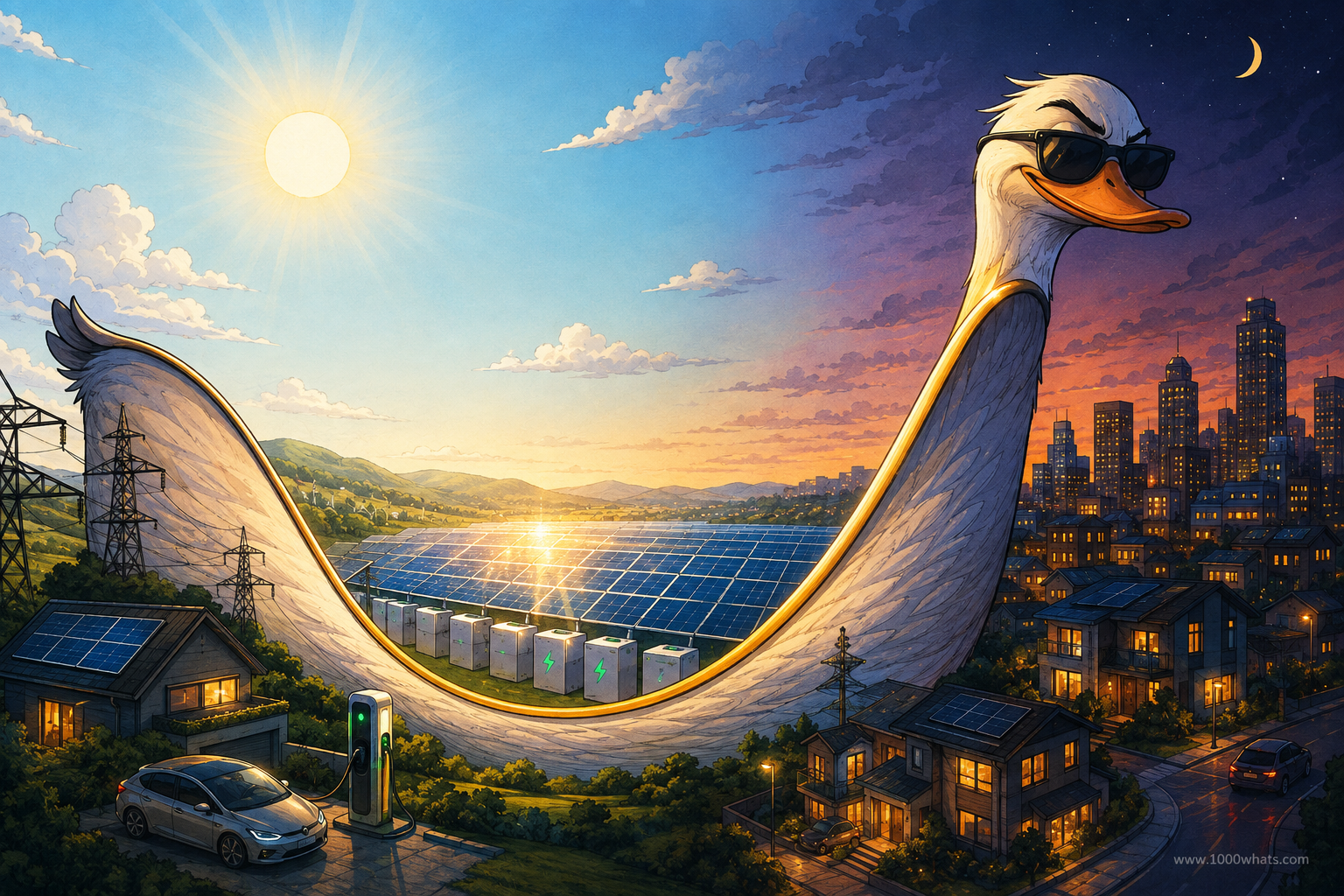
Witty featured image of the duck curve showing a giant duck-shaped figure over solar panels, batteries, homes, and an evening city skyline.

Solar power can become so abundant in the middle of the day that it creates a completely different problem for the electricity grid: too much power at noon, then a frantic scramble for electricity after sunset. That strange pattern is called the duck curve. Here’s what it is, why it happens, and why batteries, EVs, flexible demand, and smarter grids may finally teach the duck some manners.

What is a Power Purchase Agreement (PPA)? The strange little contract behind big energy projects

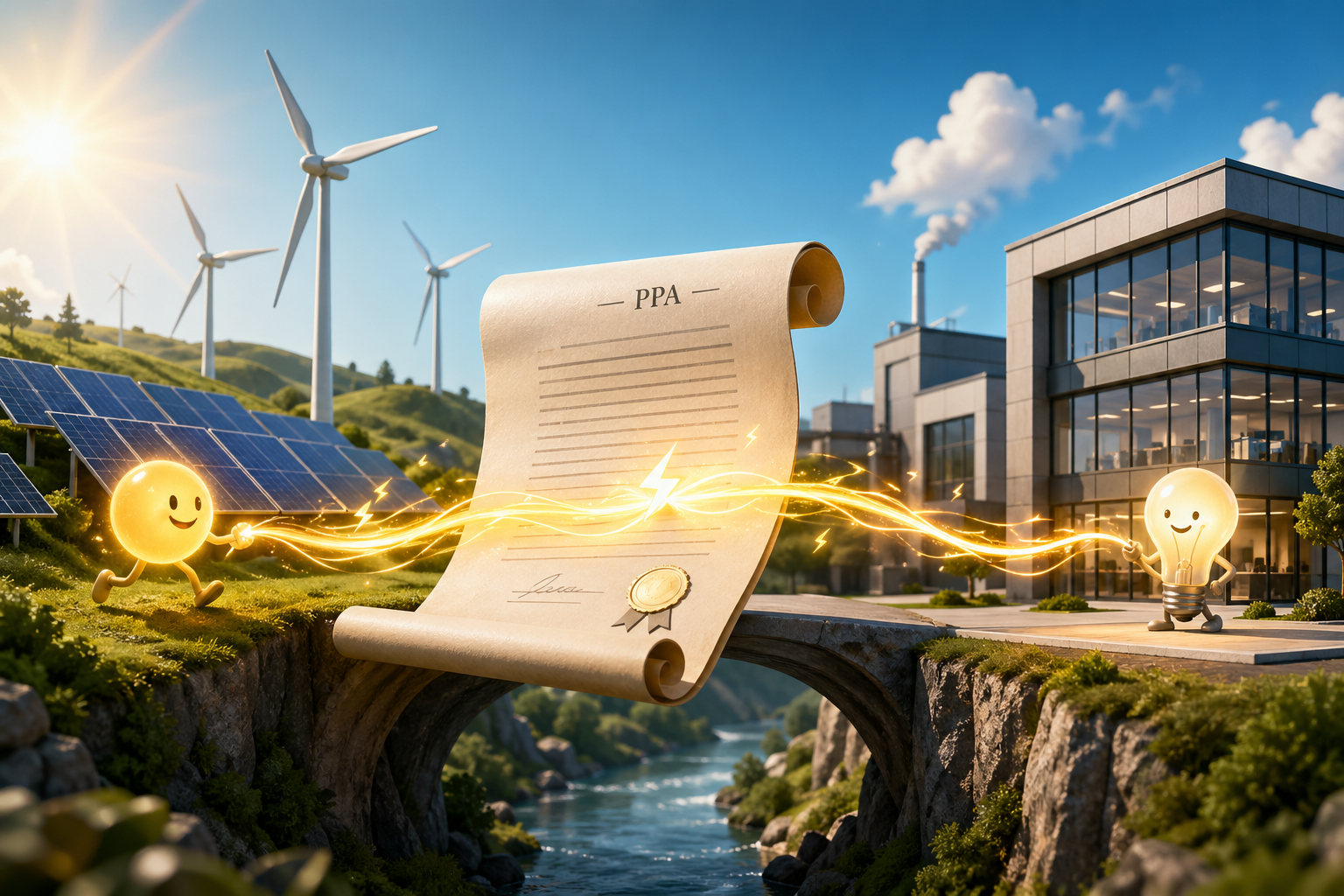
Illustration of a Power Purchase Agreement (PPA) connecting solar and wind energy projects with an electricity buyer through a glowing contract bridge.

A power purchase agreement, or PPA, is one of the most important contracts in modern energy — and one of the least understood. It is how solar farms get financed, how companies lock in electricity prices, and how power gets sold before it is even generated. Here is what a PPA is, how it works, and why it matters more than most people realize.

What is curtailment? Why energy sometimes go to waste

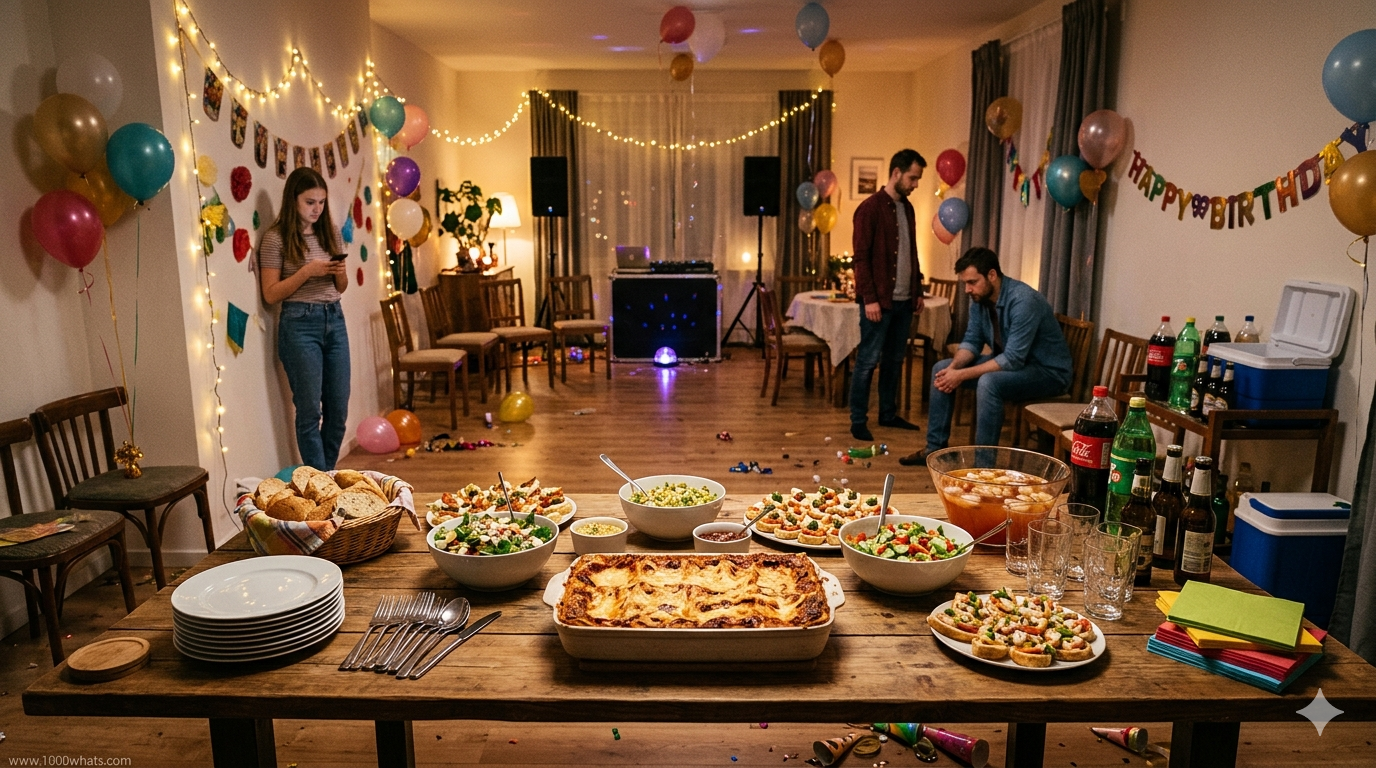
Curtailment concept image showing a table full of food and drinks after a party, symbolizing available energy supply that cannot be fully used or absorbed by the system.

Curtailment may sound harmless, but in the energy world it’s a serious headache. When the grid can’t absorb all the electricity being generated, especially from wind and solar, operators are forced to reduce output. Here’s what curtailment means, why it happens, what it costs, and how smarter grids could reduce it.